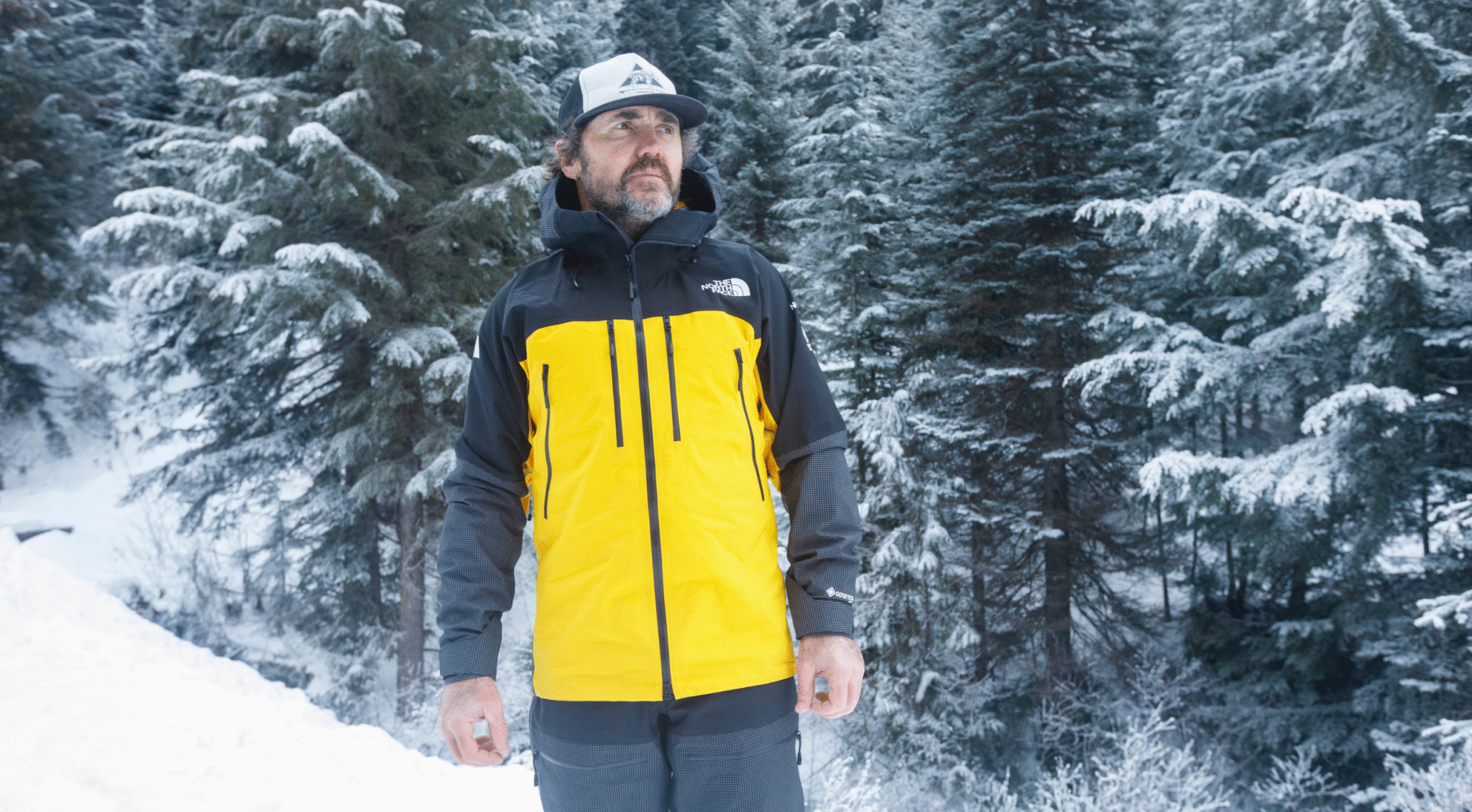

Here’s some good news: As of March 1, 2026, all Arc’teryx Gore-Tex products sold in Australia and NZ will use ePE membranes. Now, you may well be asking: A what membrane? And why is it good news?
OK, here’s some backstory. And it’s interesting, especially if you’re a techy geek. The development of waterproof-breathable garments—most notably by Gore, the maker of Gore-Tex—has surely been one of the biggest outdoor-gear advances during the last fifty years. It’s an amazing technology, all the more so because we can’t even see the micropores which do the hard work of keeping the rain out while letting our sweaty transpiration escape. But it also came with something else we can’t see: PFAS (Per- and PolyFluoroAlkyl Substances). I won’t go into huge detail about PFAS because we’ve covered this in Wild before, but in short, PFAS can be both toxic and carcinogenic, and they can interfere with our hormonal, reproductive and immune systems. What’s worse, they don’t break down; they’ve become known as ‘forever chemicals’. It became clear that, despite their efficacy, we should as much as possible restrict and ideally eliminate their use.
What’s more, PFAS have historically been integral to waterproof-breathable membranes like Gore-Tex. The original form of the membrane—the thin layer sandwiched between the face (outer) fabric and the inner liner on three-layer outerwear—is ePTFE, basically a stretched-out [or expanded, hence the ‘e’ in ePTFE] version of PolyTetraFluoroEthylene, which in turn is a PFAS compound. The problem is, PFAS compounds work really well for all manner of goods, from cookware to adventure outerwear; finding an alternate has not been easy.
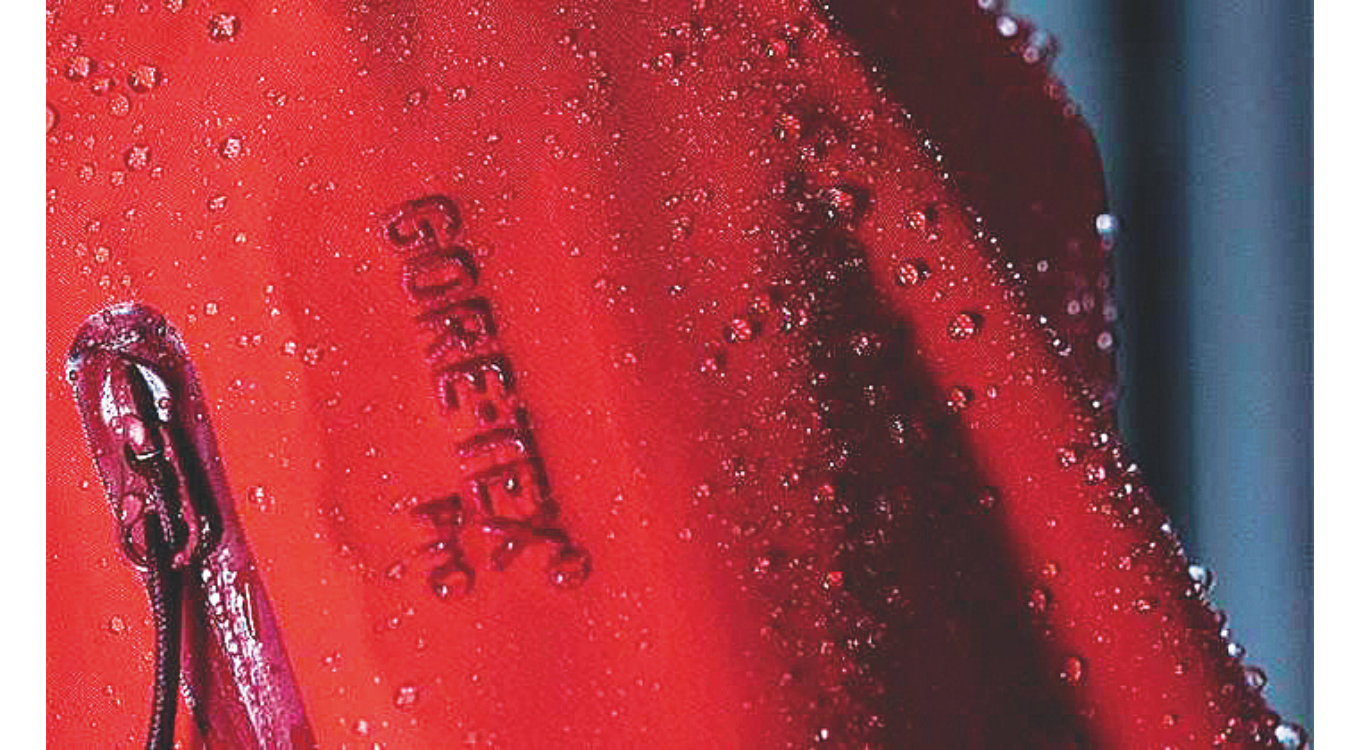
But in recent years, major advances have been made, particularly by Gore-Tex. Notably, it developed its ePE membrane, with Arc’teryx (along with a few other companies such as Patagonia) being an early investor. Like the older ePTFE Gore-Tex, ePE has about 1.4 billion pores per square centimetre, making it roughly equally waterproof and breathable. Unlike the old ePTFE however, ePE has no intentionally added PFAS. Moreover, compared to earlier membranes, ePE has a lower environmental footprint and is half the thickness, meaning a lighter weight design overall. It’s allowed manufacturers like Arc’teryx to create garments that are as robust as before, just thinner, lighter, quieter and more supple, with the first Arc’teryx products using the new membrane hitting the Oz and Kiwi markets in 2024.
There’s one important element that hasn’t been discussed yet, and that’s DWR (Durable Water Repellent). DWR treatments allow water to ‘bead up’ on the outer face fabrics of waterproof-breathables, thus allowing moisture to escape (ie for the outerwear to ‘breathe’). But DWR treatments for ePTFE garments have, historically, been long-chain (C8) compounds containing PFAS. A few years back, Arc’teryx, among other companies, transitioned to an FC6 version that was less harmful, but that still contained PFAS. That’s been replaced for Arc’teryx’s ePE garments with a FC0 version that’s free of intentionally added PFAS. It’s worth noting, however, that the FC0 version doesn’t withstand oil contamination as effectively as the old version, meaning it ‘wets out’ more quickly. This doesn’t affect the waterproofing of the ePE membrane, but it does affect breathability. It means the new Gore-Tex ePE outerwear needs to be washed and dried more frequently to remove oil contaminants and thus restore the DWR treatment.
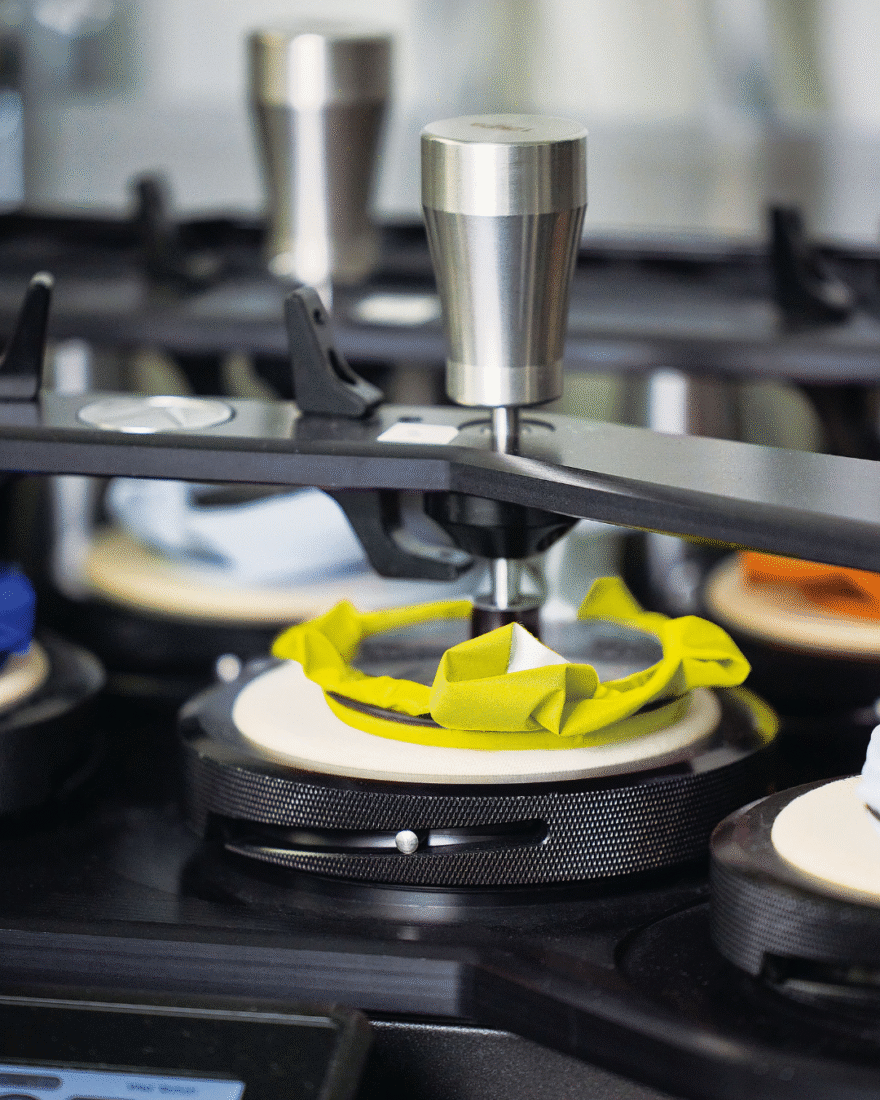
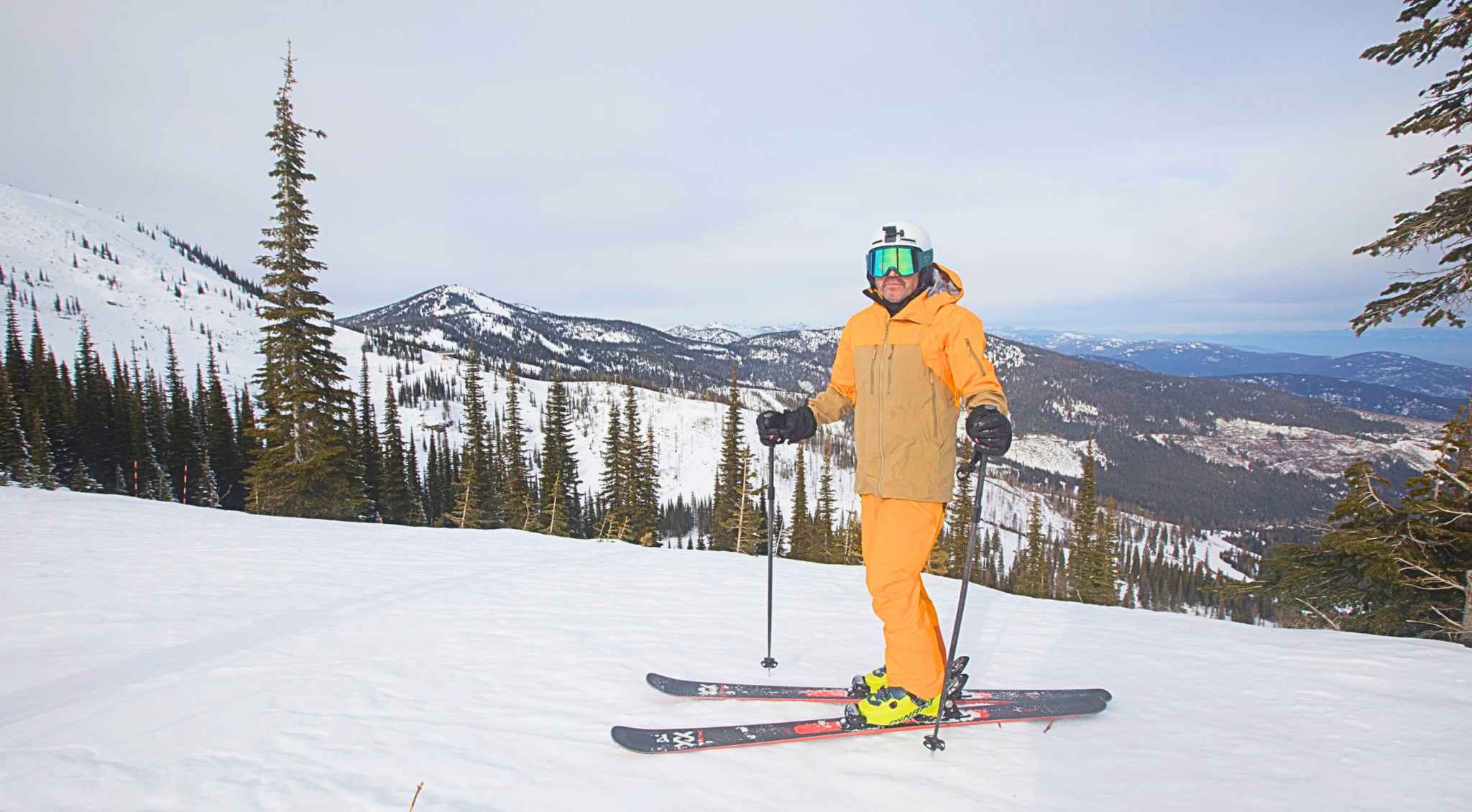
There have been further developments, too. In February this year, Arc’teryx released Gore-Tex Pro ePE outerwear. These products have the same PFAS-free ePE membrane, but Gore-Tex Pro ePE products use a different range of rugged, recycled face fabrics and backers that are optimised for both performance and durability. And while Arc’teryx’s lineup of ePE products works really well for most outdoor-adventure applications, Gore-Tex Pro ePE, which is designed for extreme or extended missions, takes this to the next level. While regular Gore-Tex ePE hardshells are subjected to tests of 76mm of rain per hour, Gore-Tex Pro ePE hardshells—such as Arc’teryx’s Rush, Beta AR and Alpha SV product families—must withstand 550mm per hour, along with gale-force winds. Abrasion resistance is increased as well, with Gore-Tex Pro ePE able to withstand a minimum of 20,000 abrasions on the Martindale Test compared to 5,000 abrasions for regular Gore-Tex ePE. Moreover, Arc’teryx runs its standardised abrasion test to go over and above industry norms. It also extensively field tests all products in British Columbia’s rugged, wet and demanding Coast Mountains.
Not everyone will need Gore-Tex Pro ePE products; for many—if not most—users, the regular ePE will work just fine. But if you’re wanting that extra performance, it’s nice to know that it’s available. And keep your eyes out for a review of the Rush Jacket and Bib in the upcoming issue.
For more information visit Arcteryx Australia.
If you liked this piece, subscribe to the print mag. Only a fraction of the great stories we run in the mag make it to our website; if you want to read them, head to subscribe.wild.com.au.