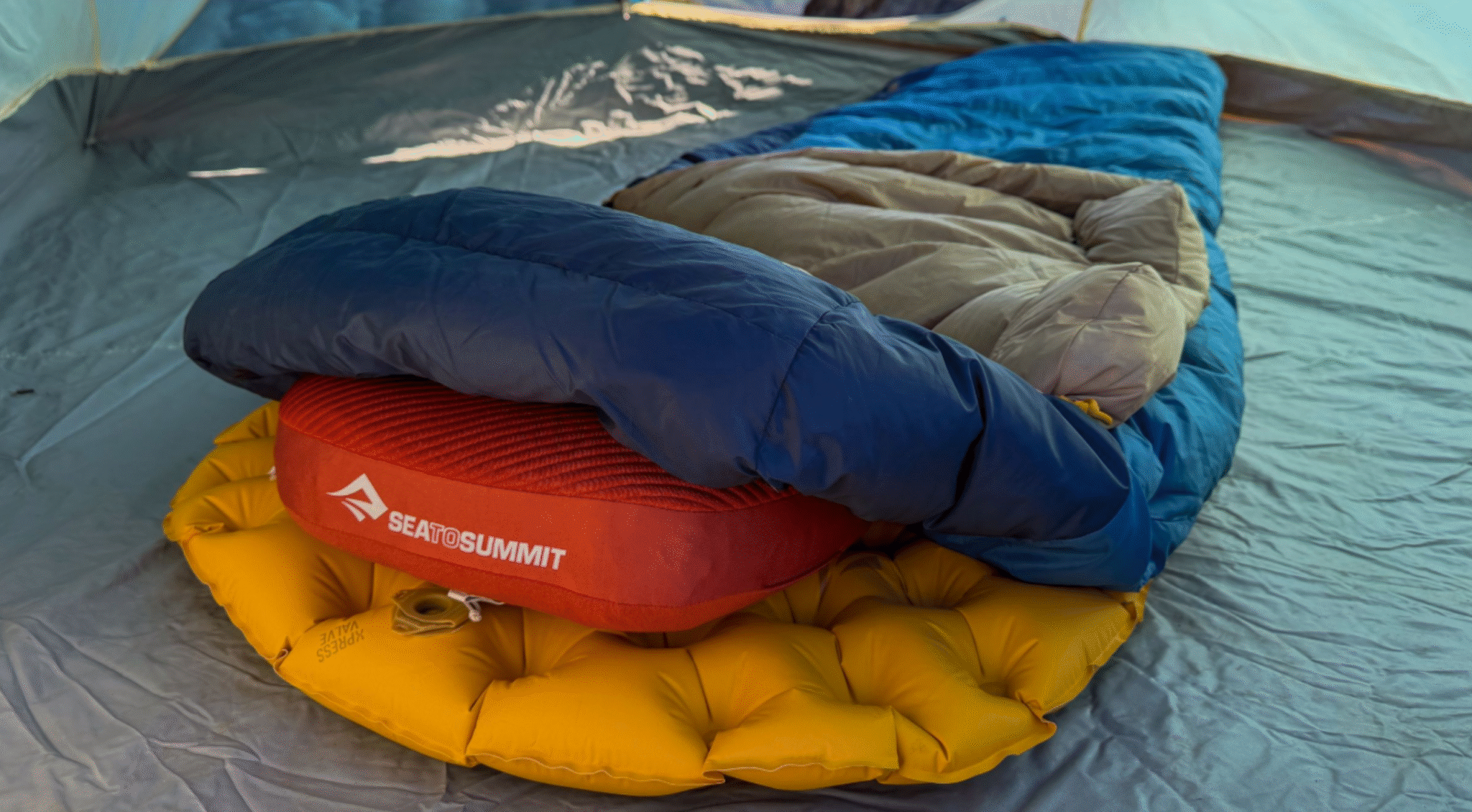
For 35 years, Sea to Summit has been designing gear in Australia, which means it has to survive some pretty unforgiving environments. From alpine cold to dusty outback tracks, Australian conditions have a way of exposing weaknesses in outdoor gear quickly. And that’s exactly why the company keeps testing products here before they end up in people’s packs around the world.
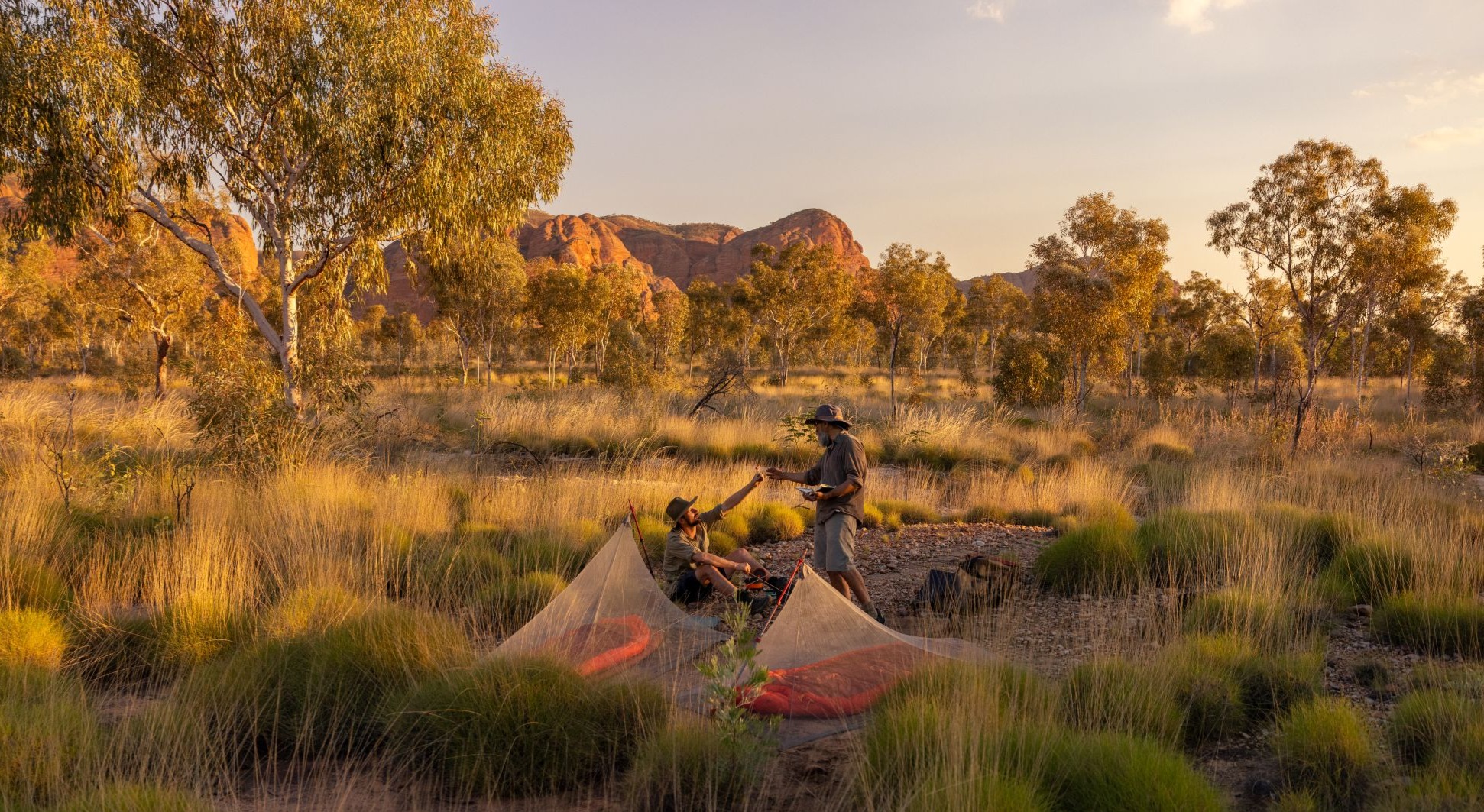
That philosophy sits behind STS Tested by Australia, Sea to Summit’s new campaign and short film The Endless Pursuit, which follows the design team on a testing trip into the Kimberley, one of the most remote and rugged parts of the country.
Rather than a polished marketing piece, the film is more of a look behind the scenes at how outdoor gear actually gets made, tested and refined.
Why the Kimberley?
If you’re looking for a place to stress-test gear, the Kimberley makes a strong case.
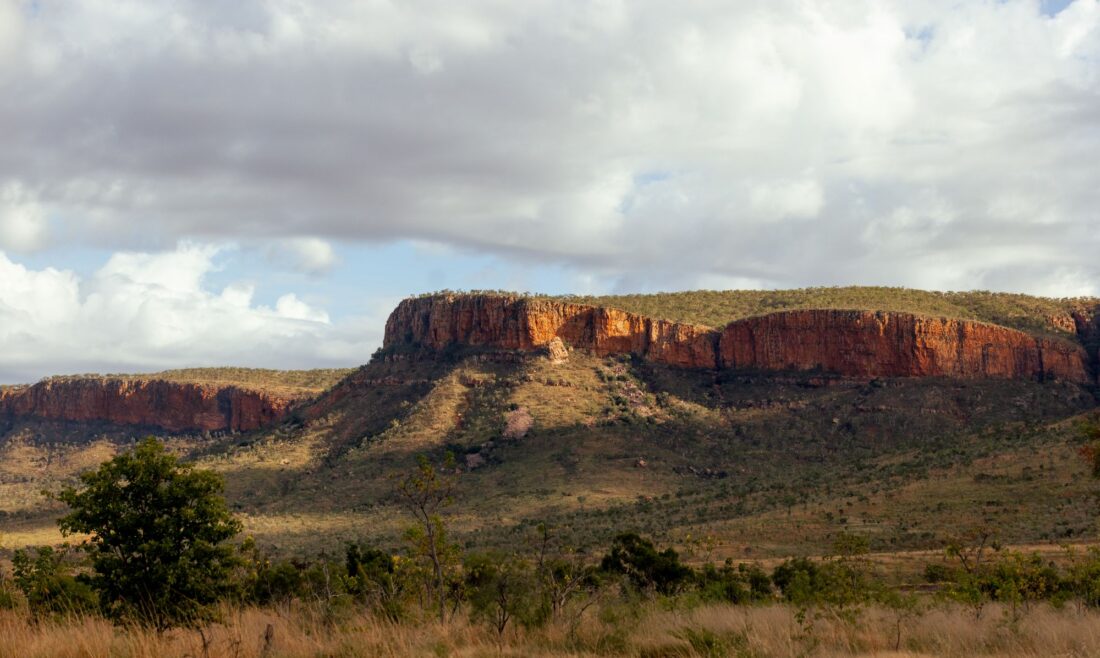
It’s vast, remote and hard to reach. Access often involves long 4WD drives, boats, helicopters or light aircraft. Once you’re out there, there’s not much infrastructure, just rivers, gorges, savannah, red rock and big skies. It’s also a place where conditions change quickly. Heat, insects, vegetation, terrain and water availability all become factors. Those are exactly the kinds of variables you can’t fully replicate in a lab.

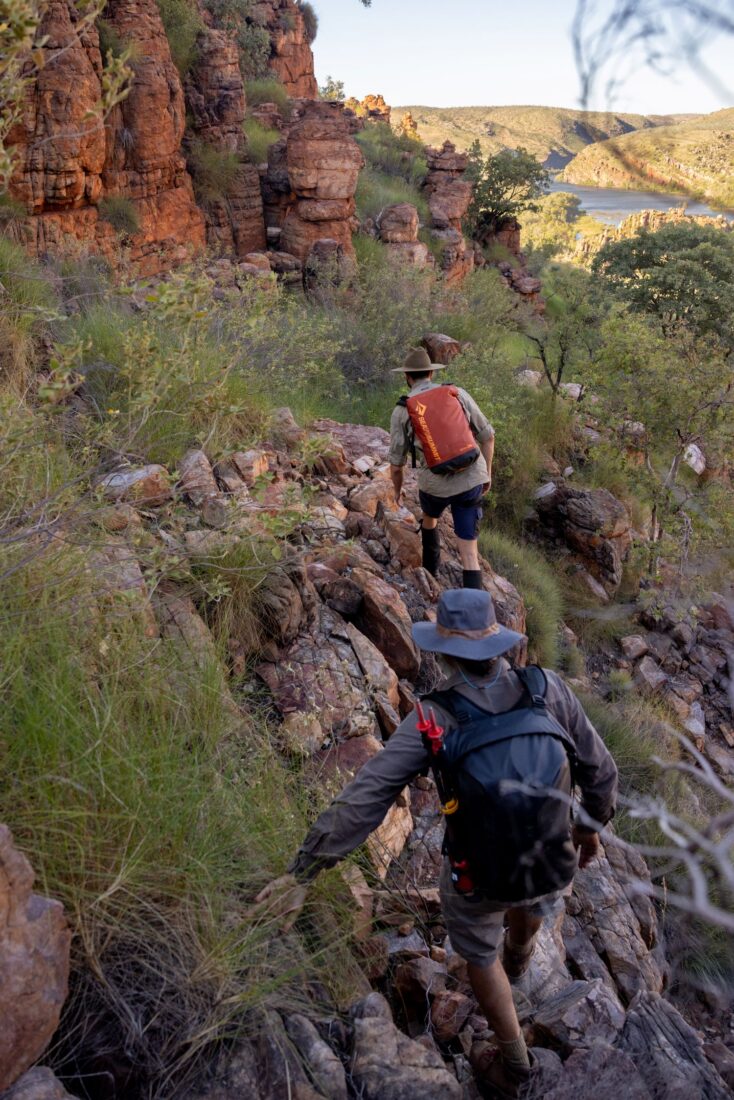
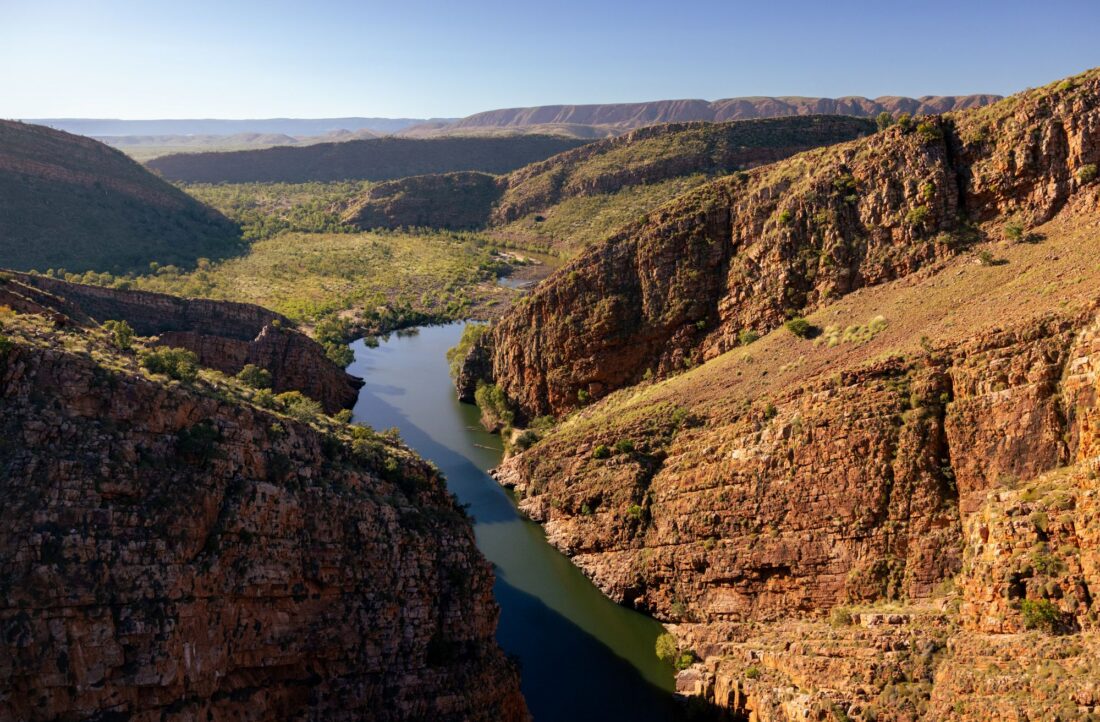
Field testing in places like this exposes weaknesses that controlled environments might miss. Fabrics wear differently. Materials react to heat and dust. Gear gets thrown around, packed and unpacked repeatedly, and generally used the way people actually use it on trips.
Designers Who Actually Use the Gear
The film centres on a couple of the people responsible for developing Sea to Summit products.
Tim Miller, now a lead product designer, started at the company as a work experience student more than a decade ago. Since then he’s worked his way up into a role that mixes design, materials research and a fair amount of time outside testing prototypes.

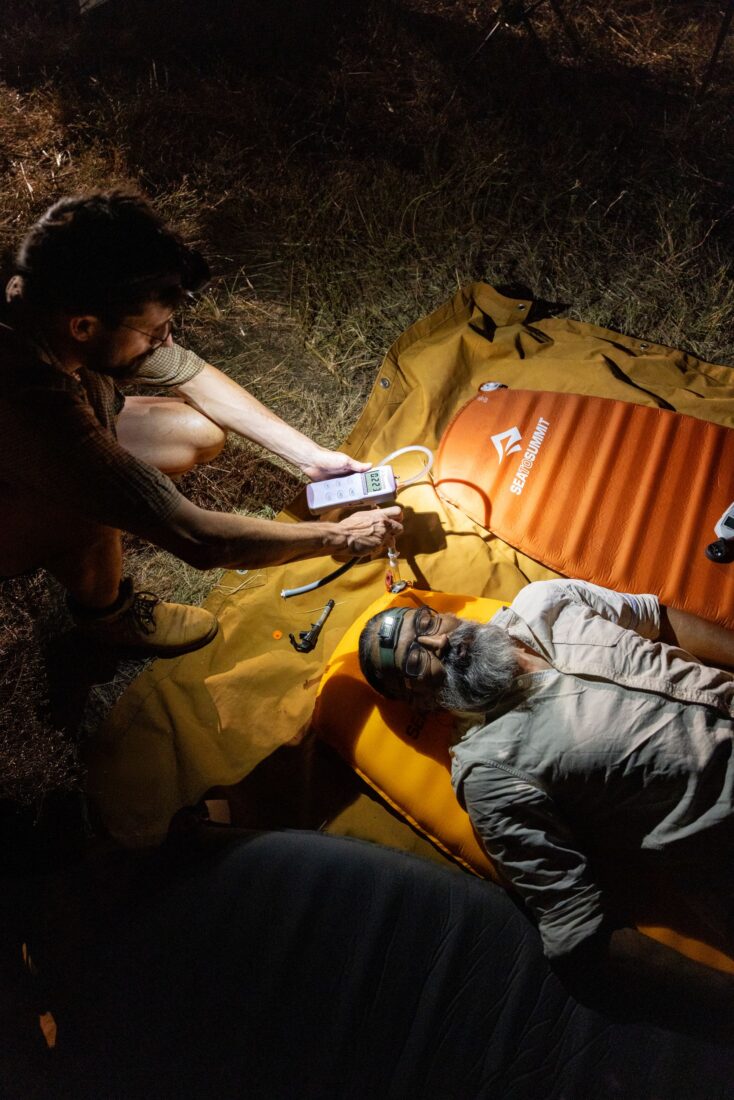
For Miller, gear design starts with imagining what it could allow someone to do.
If something becomes lighter, maybe it lets you move further in a day. If it’s more durable, maybe it can survive a bigger expedition. Often it’s those small improvements that open up new possibilities for trips.
Also featured is Paramjit “PJ” Singh, who has been designing products at Sea to Summit for around two decades. Singh has a background that spans climbing, mountaineering, rafting and expedition travel, and that experience feeds directly into the way products are refined.
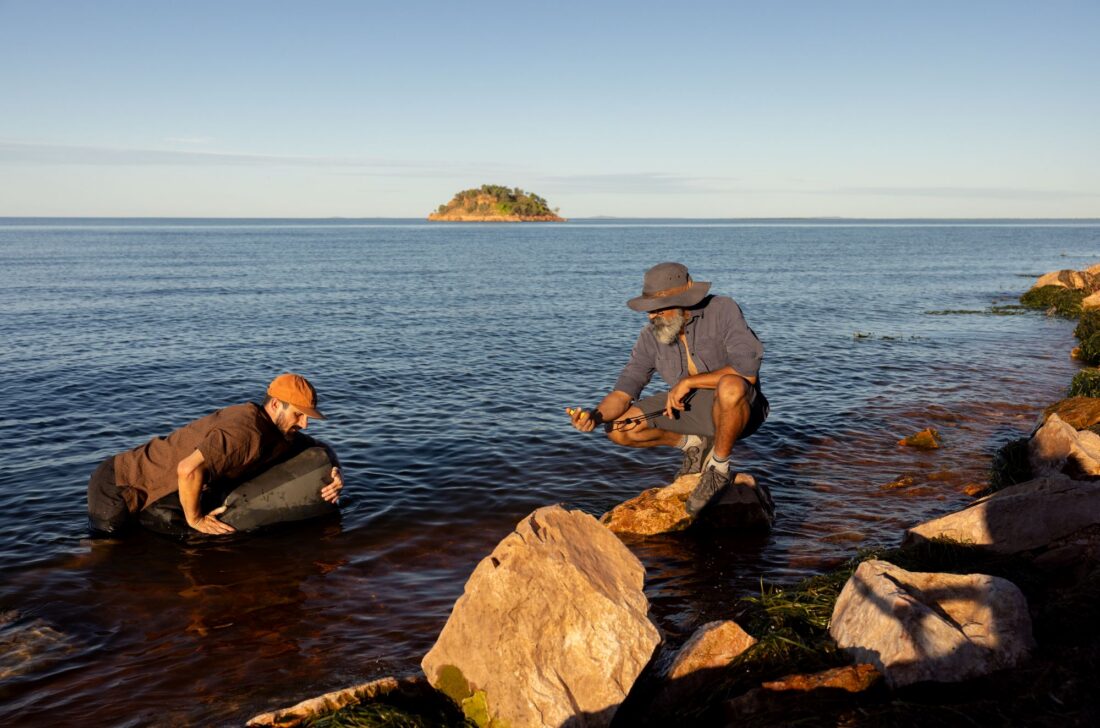
It’s the kind of combination that outdoor brands quietly rely on, designers who understand materials and manufacturing, but who also spend serious time outdoors.
The Long Road From Idea to Product
One of the things the film highlights is how slow the process of designing outdoor gear can be. A finished product might start with a simple idea, lighter fabric, better airflow, stronger fibres, but turning that into something reliable usually takes years.
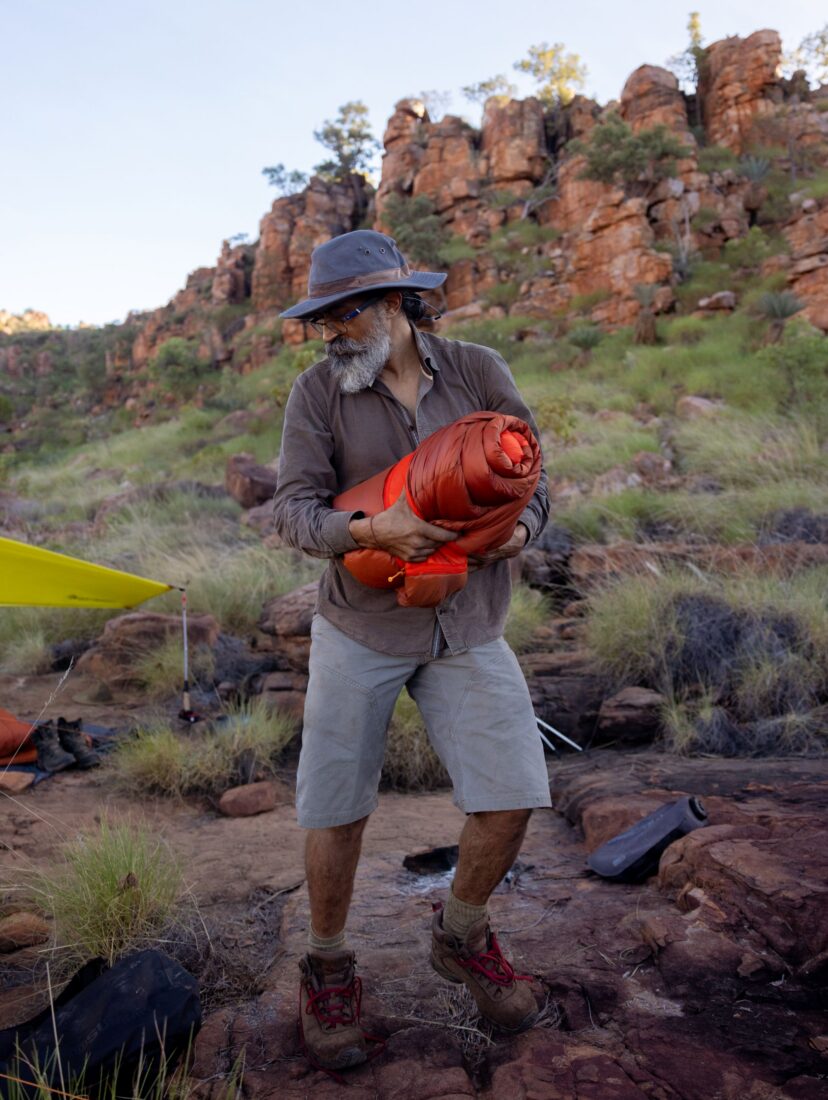
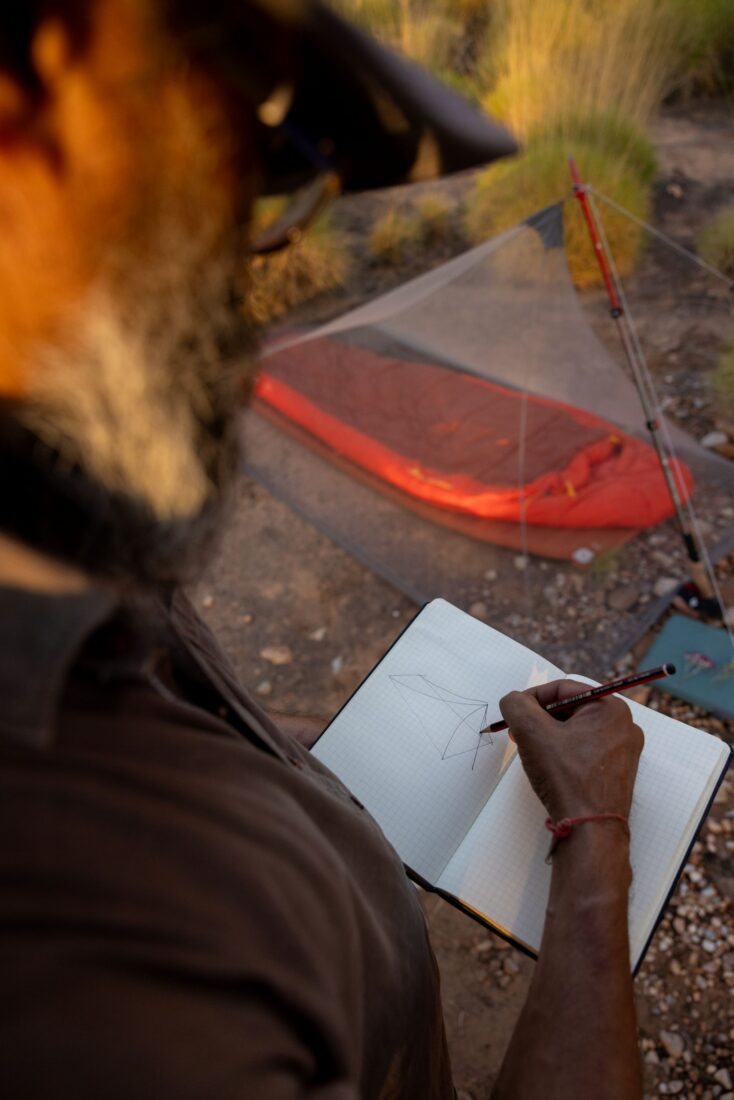
Designers experiment with materials, foam structures, coatings, fibre densities and construction methods. Prototypes get built, tested, adjusted and tested again. A lot of the work happens at a level most users never see. Small changes in fabric weight, insulation patterns or seam construction can make a big difference once a product is actually in use.

As Singh explains in the film, the details matter. The fibres used. The way materials are dyed. The thickness of TPU coatings. Even the pattern cut into foam layers.
None of it looks dramatic, but together those details determine whether a piece of gear lasts.
Why Field Testing Still Matters
Modern design tools are incredibly sophisticated, but the team is clear about one thing, lab testing can only go so far. You can simulate stress and measure material strength, but it’s much harder to recreate the messiness of real trips. Gear gets dropped, crammed into bags, exposed to weather and used repeatedly over days or weeks. Insects chew on things. Sand works its way into seams. Moisture builds up where it shouldn’t.


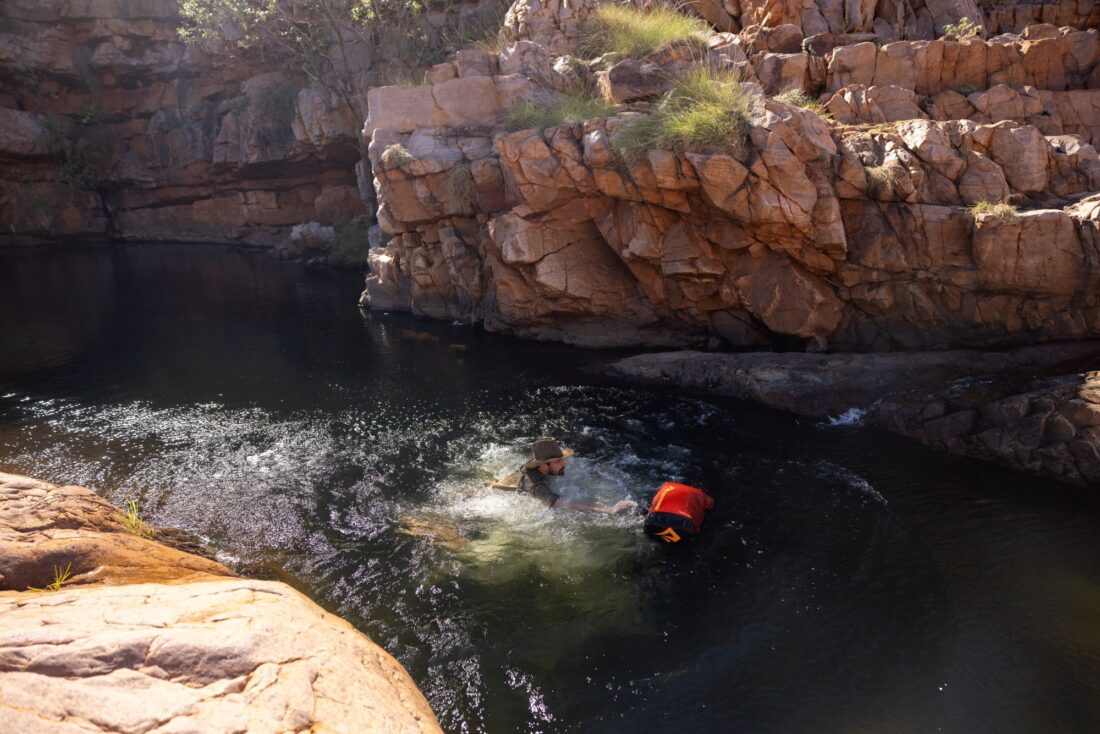
Trips like the Kimberley expedition are where those problems show up.
Beauty in Simplicity
There’s a moment in the film where Miller talks about what makes a product beautiful. For him, beauty comes from simplicity and functionality, when something looks clean, works well and doesn’t ask for attention.

Anyone who spends time outdoors will recognise that feeling. Pulling a piece of gear out of a pack and having it work exactly the way you expect is oddly satisfying.
An Endless Process
The title The Endless Pursuit fits well once the film settles into its rhythm.
Designing outdoor gear isn’t something that gets finished once and left alone. Materials change. Technology evolves. New trips introduce new demands. So the process keeps going, ideas, prototypes, testing, refinement.
And occasionally, another trip somewhere wild to see what breaks.
Shop Sea to Summit’s ‘Tested by Australia’ range here.