
Green Pages: Issue #201, Spring 2026
A selection of environmental news briefs from around the country.
Banner image credit: Julie Kern/AWC.
(This piece originally featured in Wild #201, Spring 2026)
A DREAM WORLD—BUT NOT FOR QUEENSLAND’S KOALAS
Yugambeh Country
A decision to allow expansion of a Gold Coast theme park could have dire consequences for local koalas.
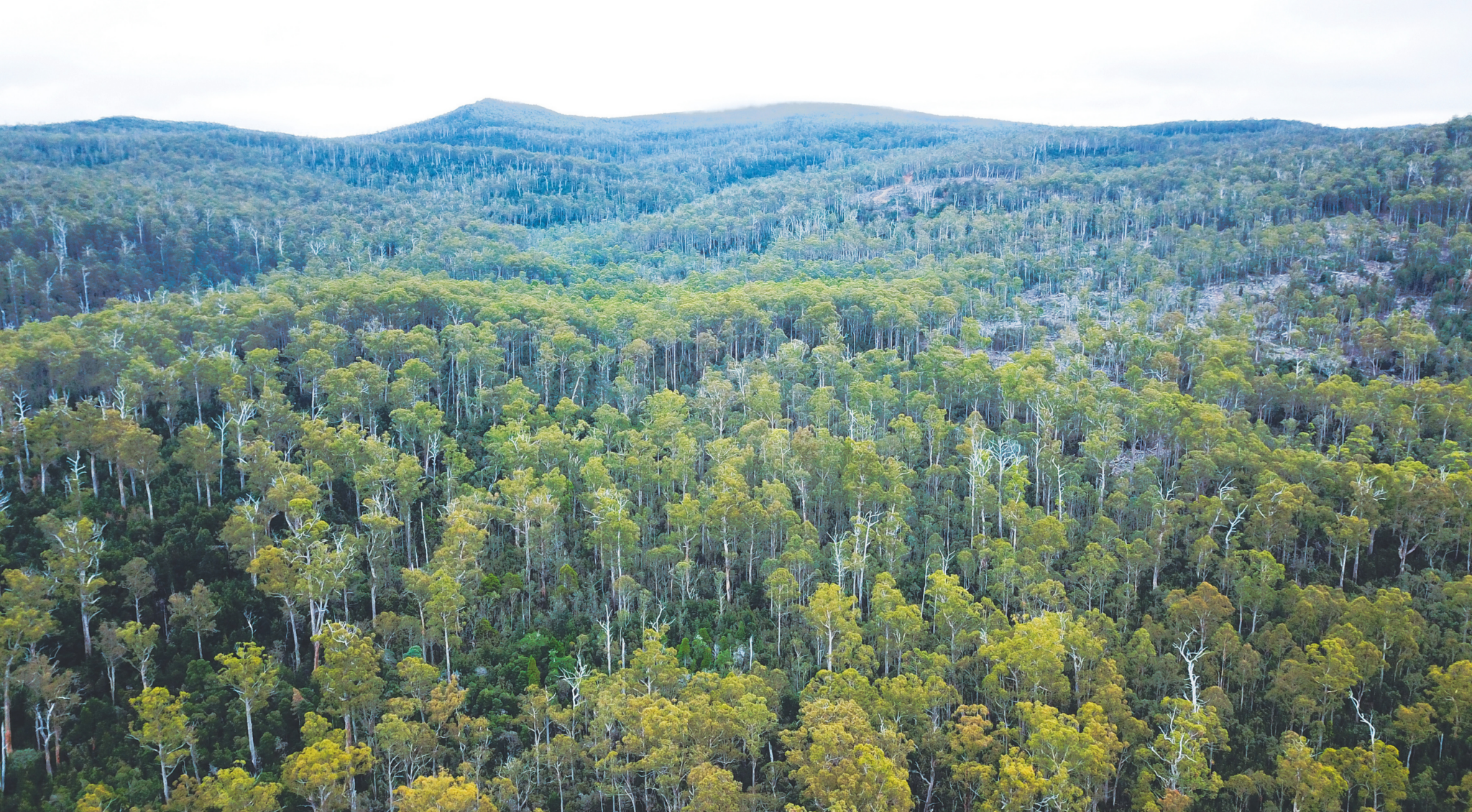
The Crisafulli government’s decision to approve Dreamworld’s masterplan is a major setback for koalas of the northern Gold Coast, with plans to clear 42,285m2 of koala habitat.
“Minister Bleijie and the Crisafulli government have put Coomera koalas on a fast track to local extinction with the approval of Dreamworld’s expansion,” says Karina Waterman of Coomera Conservation Group, who has been dealing hands-on with the impacts of habitat loss on koalas for the past decade. “Despite the heavy fragmentation and habitat loss, koala surveys tell us there are still a significant number of koalas utilising this area and its surrounds. These last pieces of habitat are pivotal for the survival of urban koalas.” In 2025, surveys confirmed 68 koalas within a 2km radius alone in this area, and further development would directly threaten the survival of any remaining koalas.
Gecko Environment Council, Coomera Conservation Group and Queensland Conservation Council have called for referral, under the EPBC Act, for an independent federal assessment. “This Dreamworld expansion is a nightmare for our iconic koalas, who are suffering death by a thousand cuts in South East Queensland,” says Anthony Gough, Acting Director of the Queensland Conservation Council. “We urge Dreamworld to rethink their plan to clear this important koala habitat, and call on the Federal Government to intervene and ensure this project is properly assessed under Commonwealth law.”
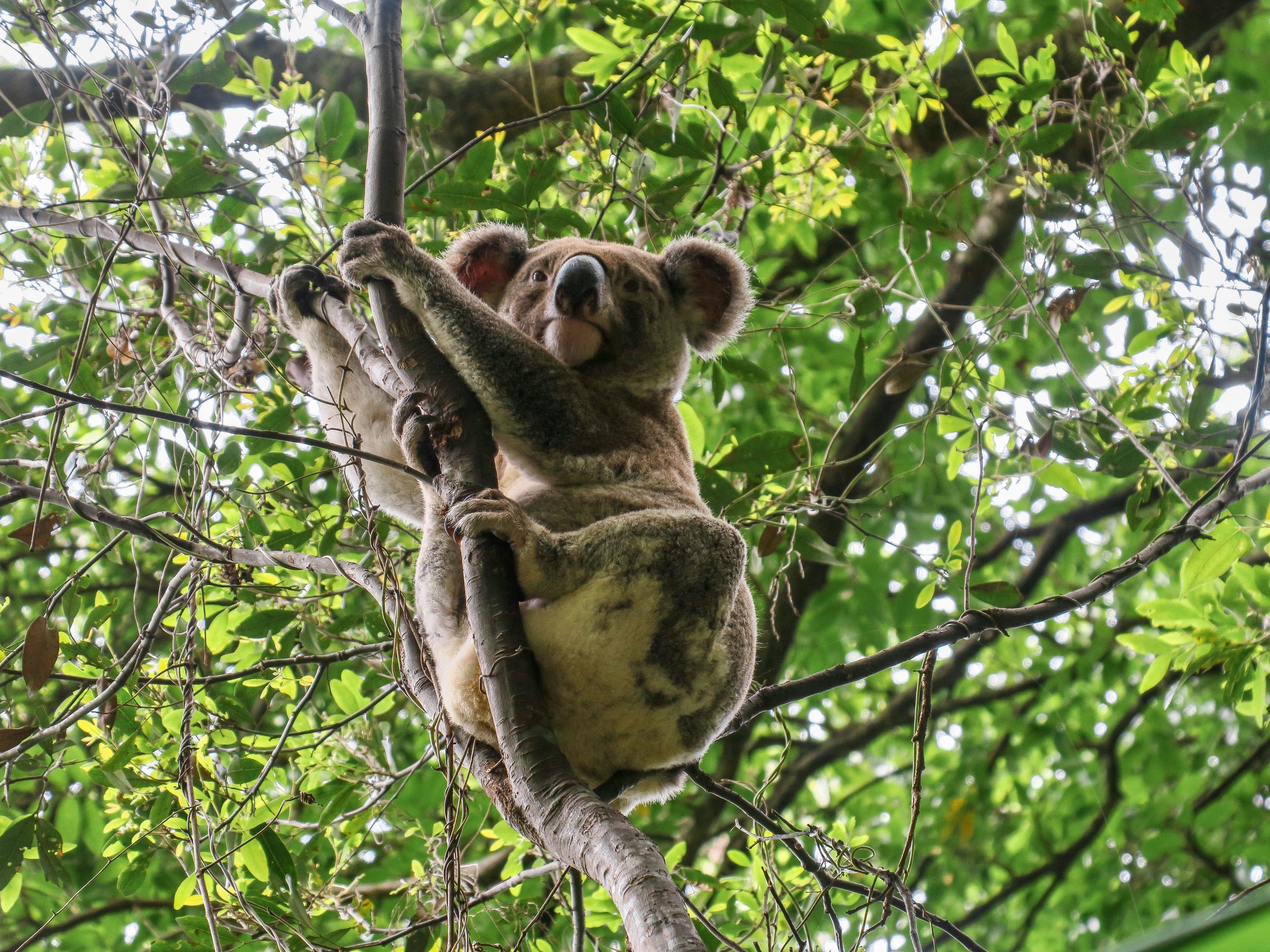
The koala population of the East Coomera-Pimpama area has already halved in a decade and is on a path to local extinction as shown in scientific studies. “Our community organisations are committed to on-ground conservation actions, alongside many stakeholders, so that we can turn around the trajectory of losing our local koalas completely,” says Sara Hicks, Gecko Environment Council’s Campaign Coordinator. “The Crisafulli government’s dangerous overriding of critical habitat protections has direct consequences for threatened species and ecosystems, yet communities consistently tell us nature is a priority to them, and a main reason we choose to live in our beautiful state.”
Significant clearing of critical koala habitat has a wide impact on koalas in the northern Gold Coast, including loss of food trees, and increased risks of vehicle strikes and dog attacks as habitat fragments and disappears. Furthermore, the approval of Dreamworld’s expansion under ministerial call-in powers is not an isolated case in Queensland, as planning regulation to protect species is often overridden for unsustainable development. That the proposed development is largely designed to showcase to tourists the natural environment and wildlife is an irony not lost on local communities.
“Despite no community right to appeal this decision, due to the ministerial call-in powers, we will keep advocating to hold the line for threatened species where habitat should be protected.”
Learn more at queenslandconservation.org.au
ANTHONY GOUGH, Queensland Conservation Council
GASLIT FOR GOOD
Larrakia Country
In the Northern Territory, water is life, with underground reservoirs supplying around 90% of the Territory’s water.
But right now, gas frackers like INPEX and Santos want to force toxic chemicals through the Territory’s underground-water supplies. That’s why people across the Top End came together in June for the inaugural Gaslit Festival in Darwin.
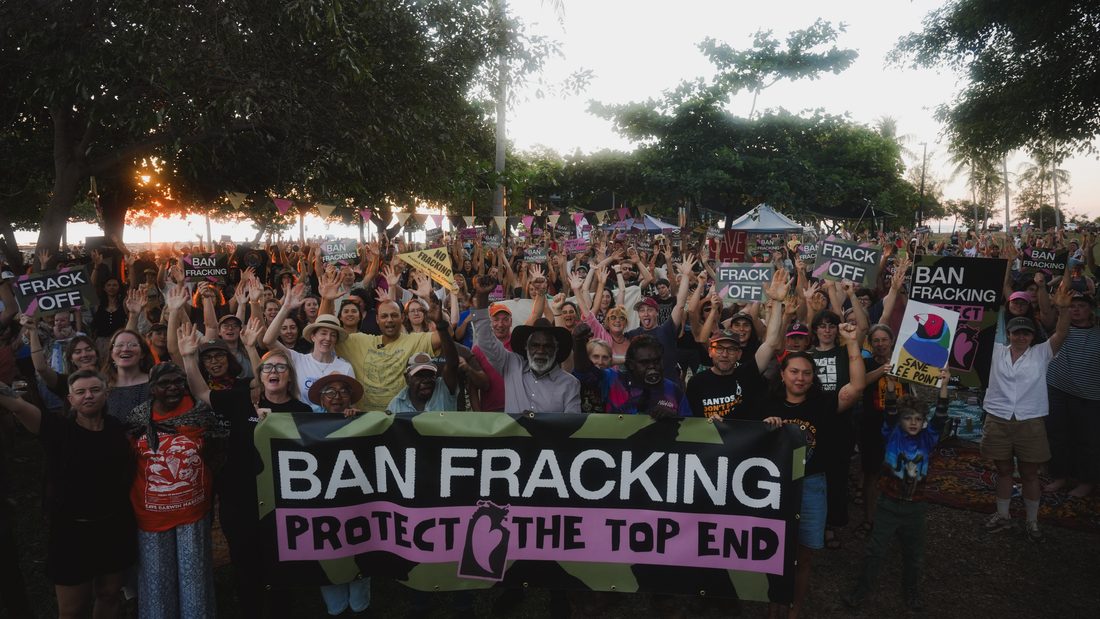
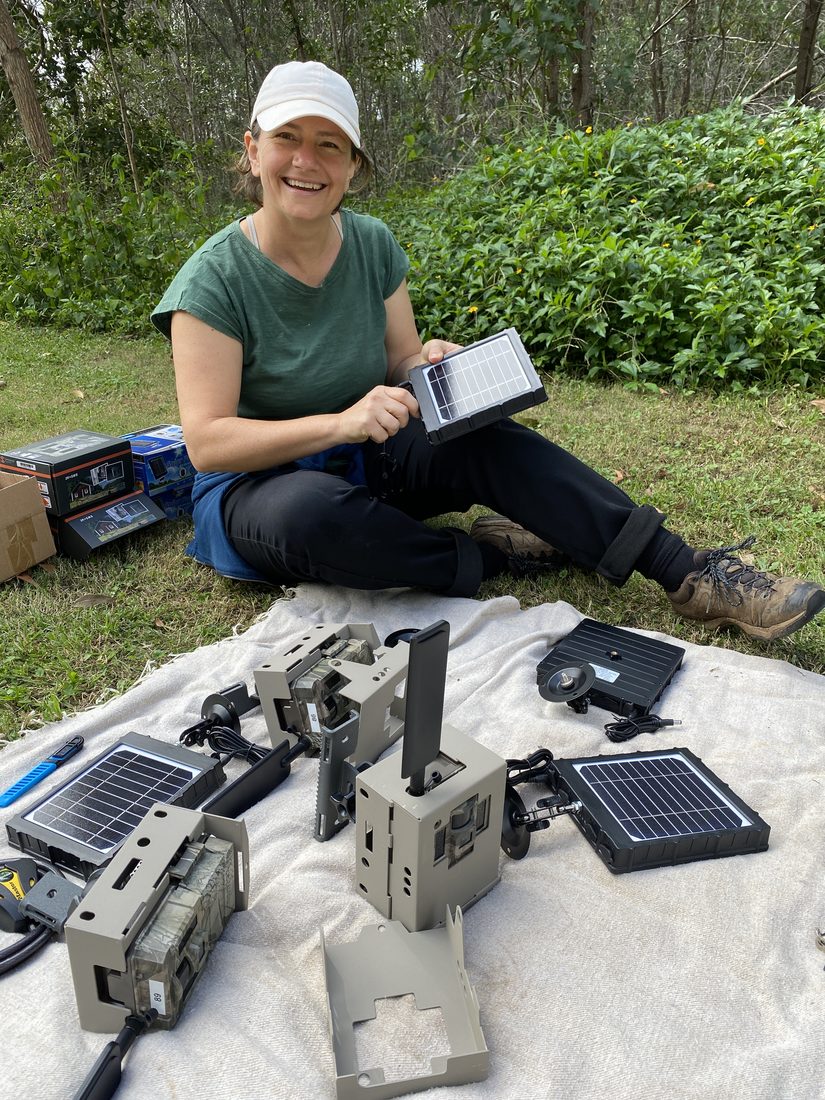
Presented by Environment Centre NT in partnership with the Australian Conservation Foundation, 350 Australia and Frack Free NT, the festival was both a celebration and a clear message to gas corporations and political leaders: The community doesn’t consent to gas fracking or the Middle Arm gas and petrochemical hub. “We won’t save the planet with doom and gloom,” says Adam Bandt, CEO of the Australian Conservation Foundation. “Our plan is to have fun and dance alongside great Australian artists while working hard to hold governments and big corporations to account for trashing our environment.”
For more info on stopping fracking in the Top End, go to: stopmiddlearm.org
JEM WILSON, Environment Centre NT
SKATING ON A KNIFE’S EDGE
Toogee Country
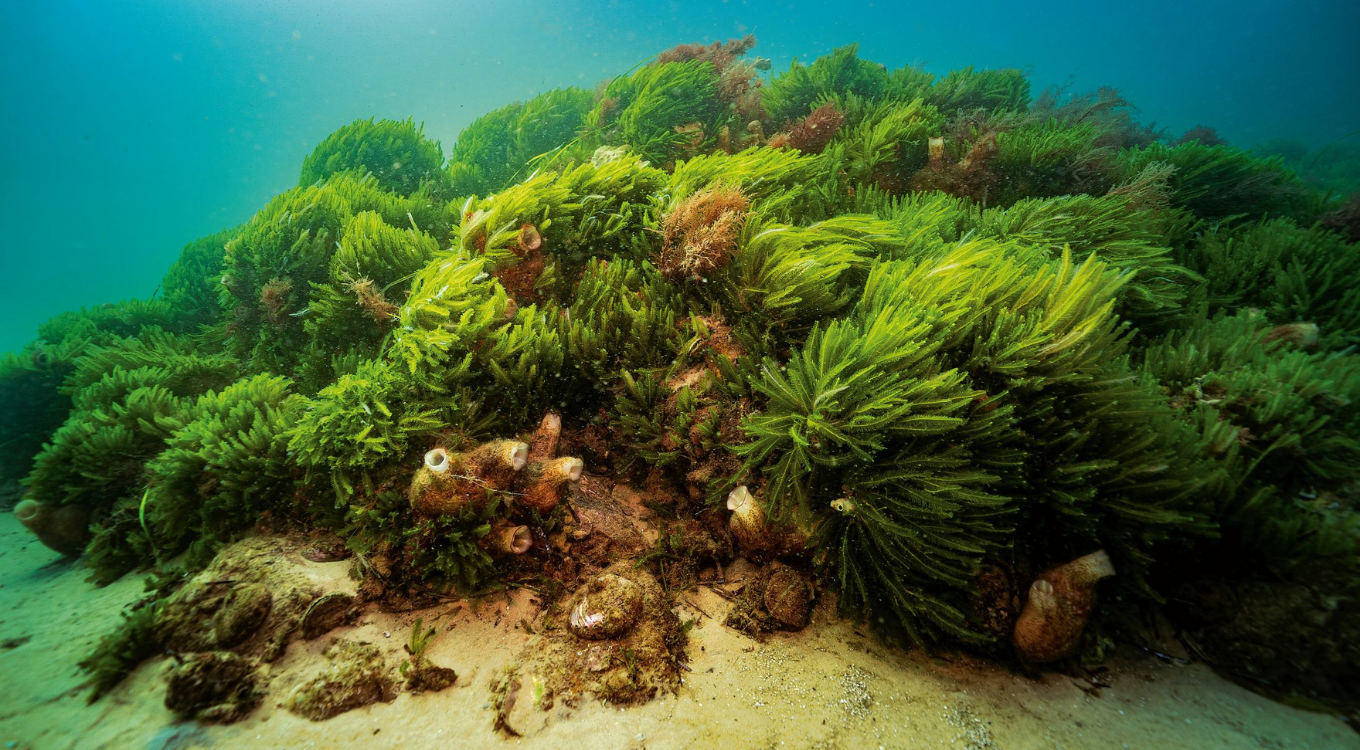
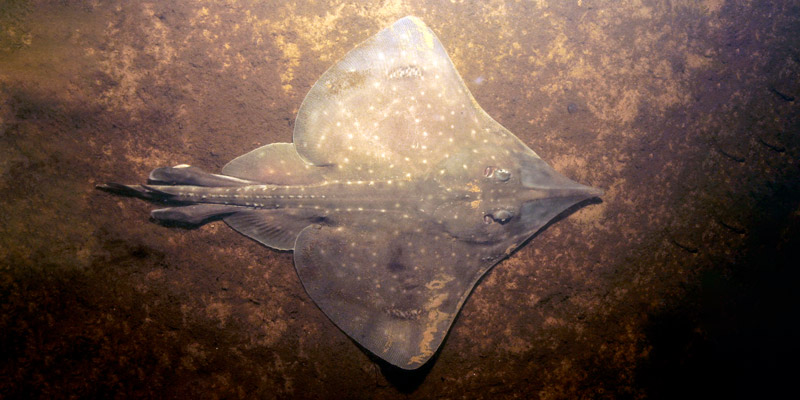
The Maugean skate only just survives in the tannin-stained, brackish waters of remote Macquarie Harbour on Tasmania’s West Coast. A Gondwanan relic that has persisted for more than sixty million years, it is uniquely adapted to the estuarine environment that is now its only known viable habitat, the Tasmanian Wilderness World Heritage Area.
Yet its future balances precariously on a knife’s edge. Population surveys have recorded only one significant juvenile-recruitment event in the past eight years, with just one identified female within that cohort. The species is also short-lived, with a lifespan of approximately ten years, while adults in the current population average around 7.5 years of age. This leaves little margin for reproductive failure, particularly as climate-driven events, including a potential El Niño event in 2026, may further intensify extinction risk.
For more info, head to: et.org.au/skate_population_in_decline_and_on_the_move
JESSICA CCOUGHLAN, Environment Tasmania
NUMBAT COMEBACK
Danggali Country
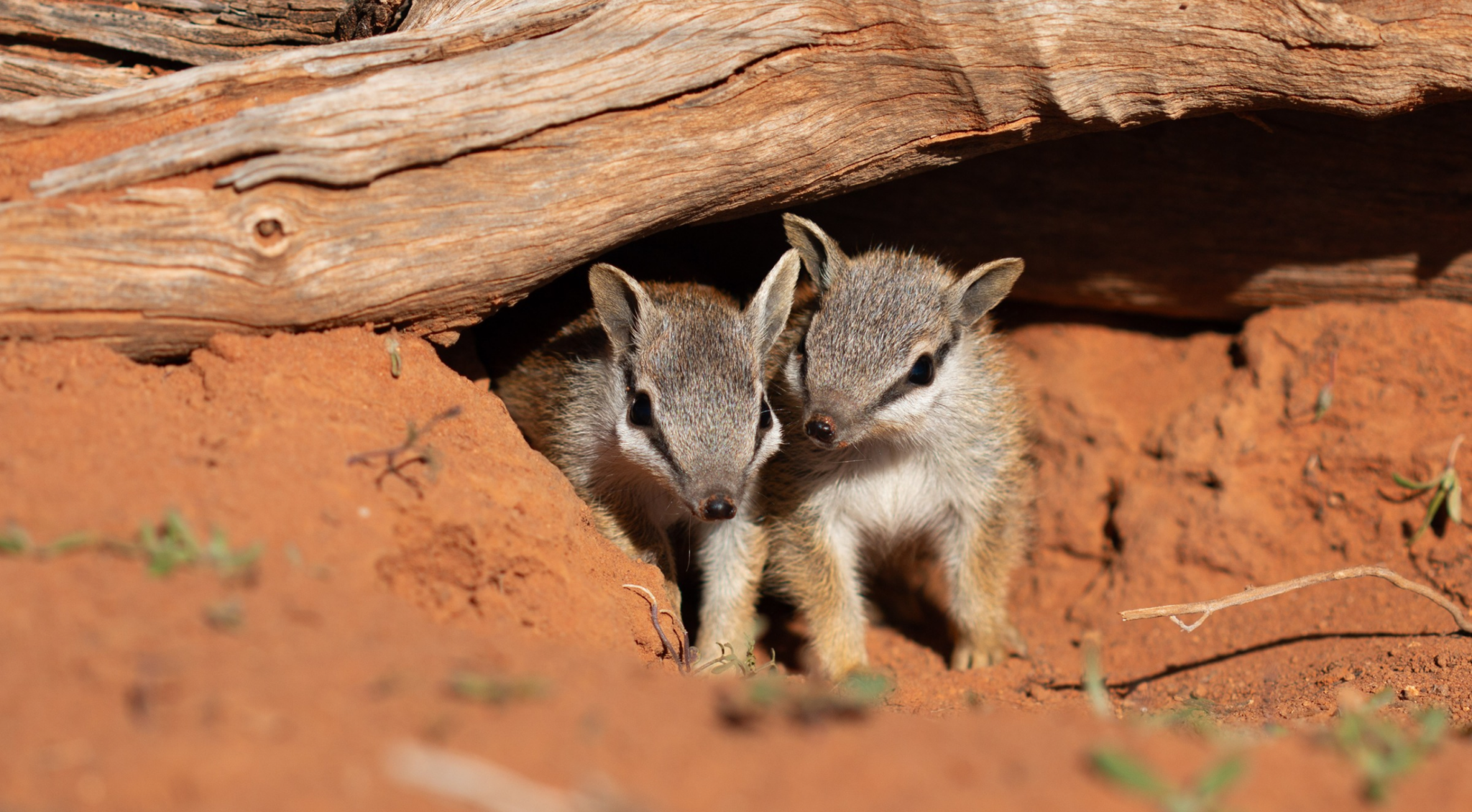
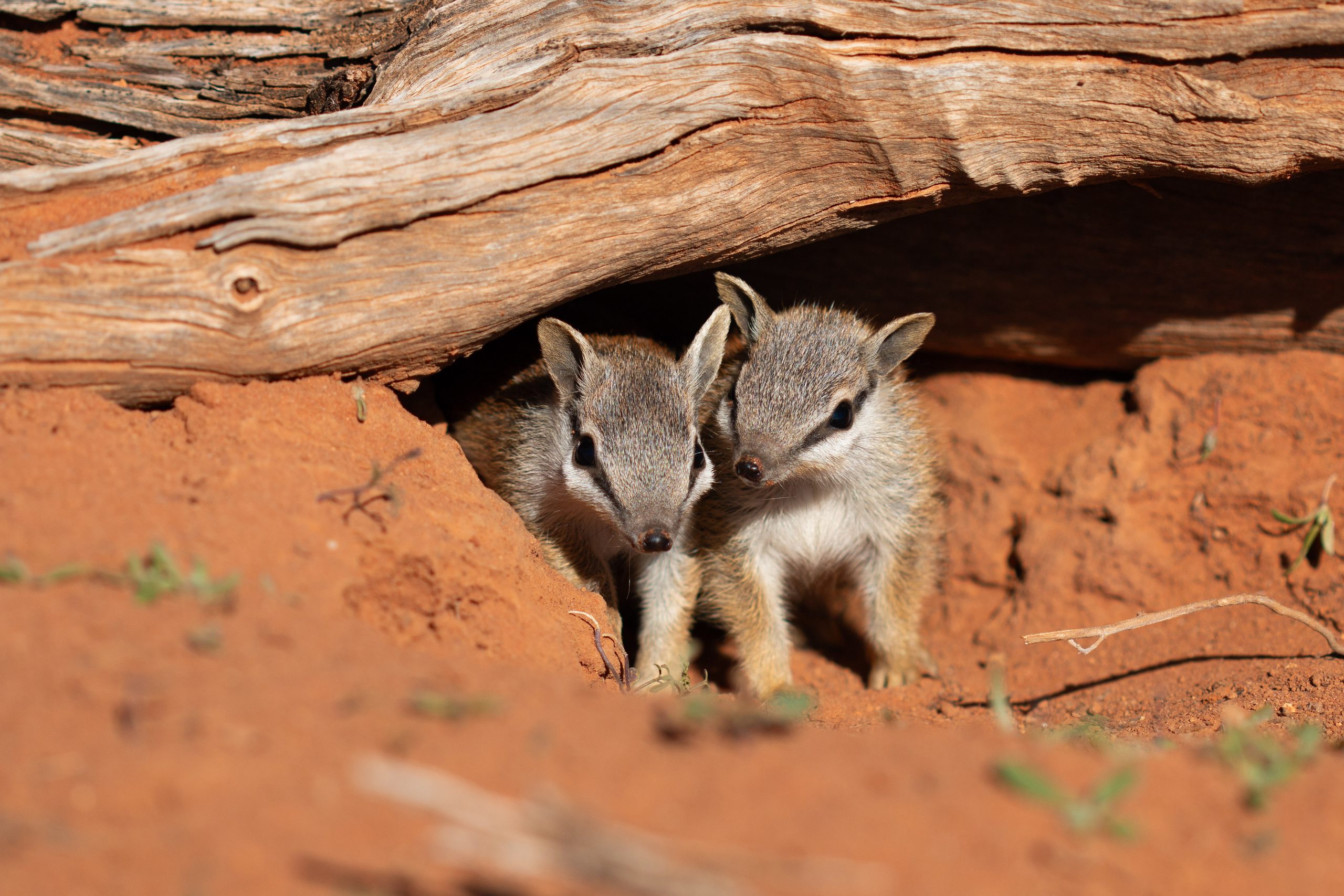
Decades of conservation efforts have improved the outlook for Australia’s unique termite-eating numbat, which changed status in July 2026 from Endangered to Near Threatened on the International Union for Conservation of Nature’s (IUCN) Red List of Threatened Species. While this is an important milestone in the numbat’s recovery, ongoing conservation work remains essential to prevent the species from sliding back towards extinction.
“The downlisting is a recognition of how … extinction is not inevitable when conservation action is taken and sustained over the long term,” said Dr Jennifer Anson, Australian Wildlife Conservancy Senior Ecologist and member of the Numbat Recovery Team. “But this is not the end of the story. Active and ongoing conservation management is critical for securing the numbat’s future; without it, the trajectory of the species will reverse quickly.”
Find out more about numbats at: australianwildlife.org/animals/numbat
Australian Wildlife Conservancy
If you liked this piece, you should subscribe to the print mag. Only a fraction of the great stories we run in the mag make it to our website; if you want to read them, head to subscribe.wild.com.au