Green Pages: Issue #199, Autumn 2026
A selection of environmental news briefs from around the country.
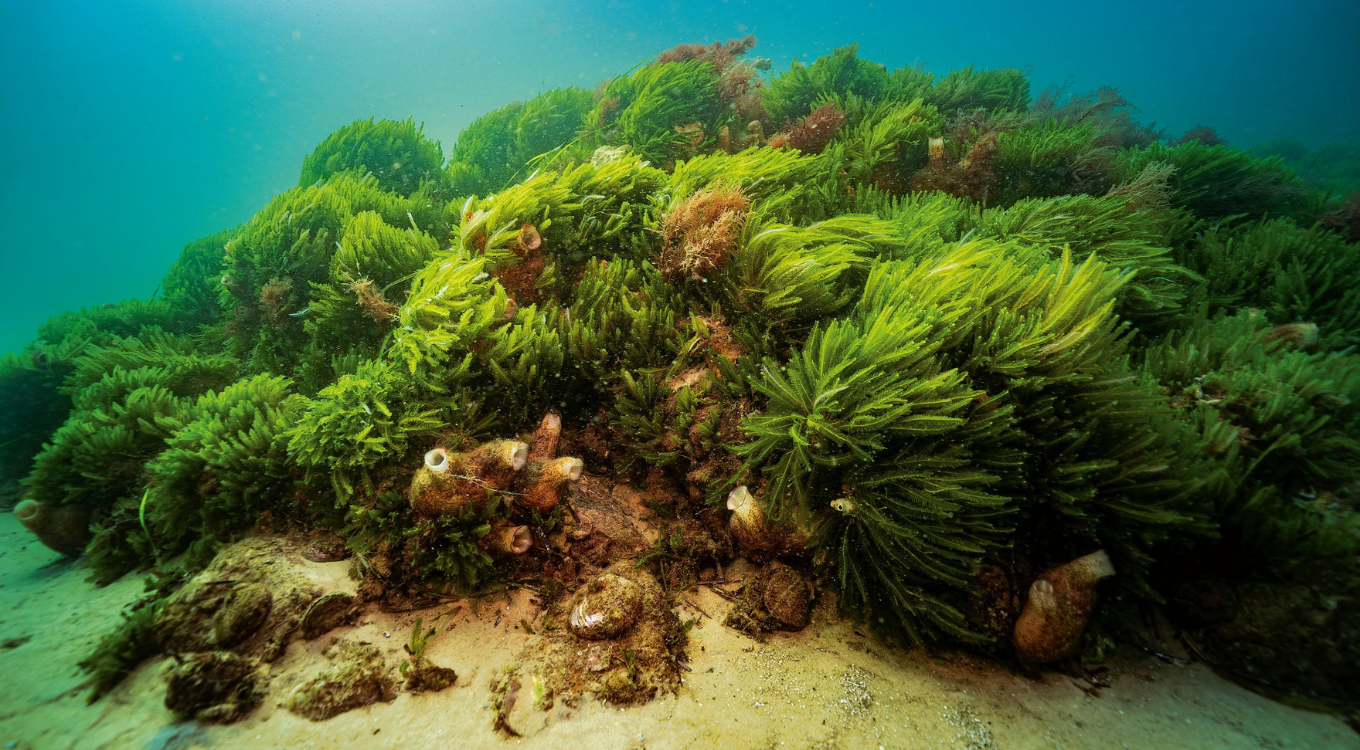
Banner image caption: Shellfish reef near Glenelg, SA. (This piece originally featured in Wild #199, Autumn 2026)
BEATING THE BLOOM: HOW REEF RESTORATION IS REWRITING AUSTRALIA’S COASTAL FUTURE
Kaurna, Ngarrindjeri, Narungga, Nauo and Barngarla Country
A decade-long reef-building program is proving a powerful tool in the fight against South Australia’s toxic algal bloom.
When an algal bloom appeared off South Australia’s Fleurieu Peninsula in March 2025, few realised just how devastating it would become. By spring, the bloom of harmful dinoflagellates had spread across more than 4,500km² of coastline, releasing devastating toxins at an intensity local marine life could not withstand. The impact was fast and brutal, with countless animals like the iconic leafy sea dragon washing up dead on beaches across SA. Local tourism collapsed, commercial fishers hauled in empty nets, and experts could predict no end to it.
Over the past century, 99% of shellfish reefs have been destroyed through dredging, poor water quality and overharvesting. Their disappearance has left coastal waters vulnerable to these climate-induced changes, exposing just how fragile our marine systems have become.
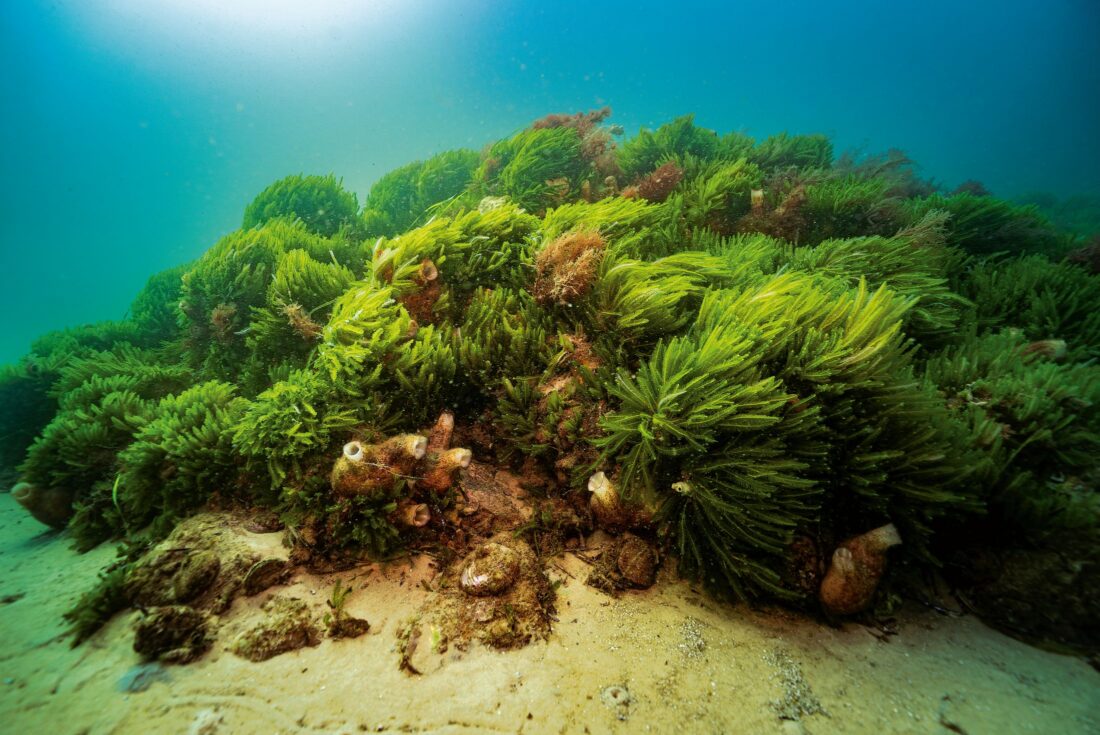
But amid the devastation, a quieter story was unfolding – one that points to a powerful, nature-based solution already taking root along Australia’s shores. For nearly a decade, The Nature Conservancy Australia’s (TNC) project Reef Builder has been rebuilding the country’s lost temperate shellfish reefs, systems once so vast they stretched along the southern coastline twice the length of the Great Barrier reef. These reefs, formed by billions of native filter-feeding shellfish, act as the ‘kidneys’ of the ocean, cleaning water and forming natural reef structures to stabilise shorelines and support marine biodiversity. In August 2025, local ecologists visited one of TNC’s restored reefs off Glenelg, pulled up a handful of oysters, and discovered something extraordinary – the oysters were eating the Karenia dinoflagellate through their filter feeding.
Earlier this year, TNC’s work received global recognition when the program was named Australia’s first UN World Restoration Flagship – a designation reserved for only the most ambitious and impactful ecological restoration projects on the planet. It’s a milestone that underscores both the urgency of the challenge and the promise of large-scale reef restoration.
A single large oyster can filter a bathtub of water every day. Multiply that by billions, and you begin to understand the scale of the opportunity. “These reefs aren’t just coping with the bloom,” says TNC marine restoration expert Anita Thomas. “They’re breathing life back into the ocean around them, strengthening the health and resilience of the entire marine community.”
TNC’s Reef Builder program has already restored reefs at 21 locations across the country, laying the foundations for a national network of living coastal infrastructure.
However, the scale of the challenge is ever-growing, with warming oceans creating ideal conditions for future blooms, the need for large-scale restoration has never been greater.
For communities reeling from this year’s bloom, the message is simple: the ocean can recover, but only if we help it. Shellfish are already showing us what’s possible. Now it’s up to us to scale the solution. To learn more, see natureaustralia.org.au.
ALLY CATTERICK,
The Nature Conservancy.
KANGAROO ISLAND/FLINDERS CHASE NP LUXURY LODGES DEFEATED
WE WON!!! Eight years ago, Friends of Parks Kangaroo Island Western Districts and two other Friends groups on Kangaroo Island took the unprecedented step of going on strike in protest at the previous government’s decision to allow a private company to build complexes of luxury lodges on remote and pristine headlands within Flinders Chase National Park. During the long years of struggle, we managed to extract some minor concessions from the company, deleting several kilometres of planned roads and tracks and moving one of the sites to a less sensitive location.
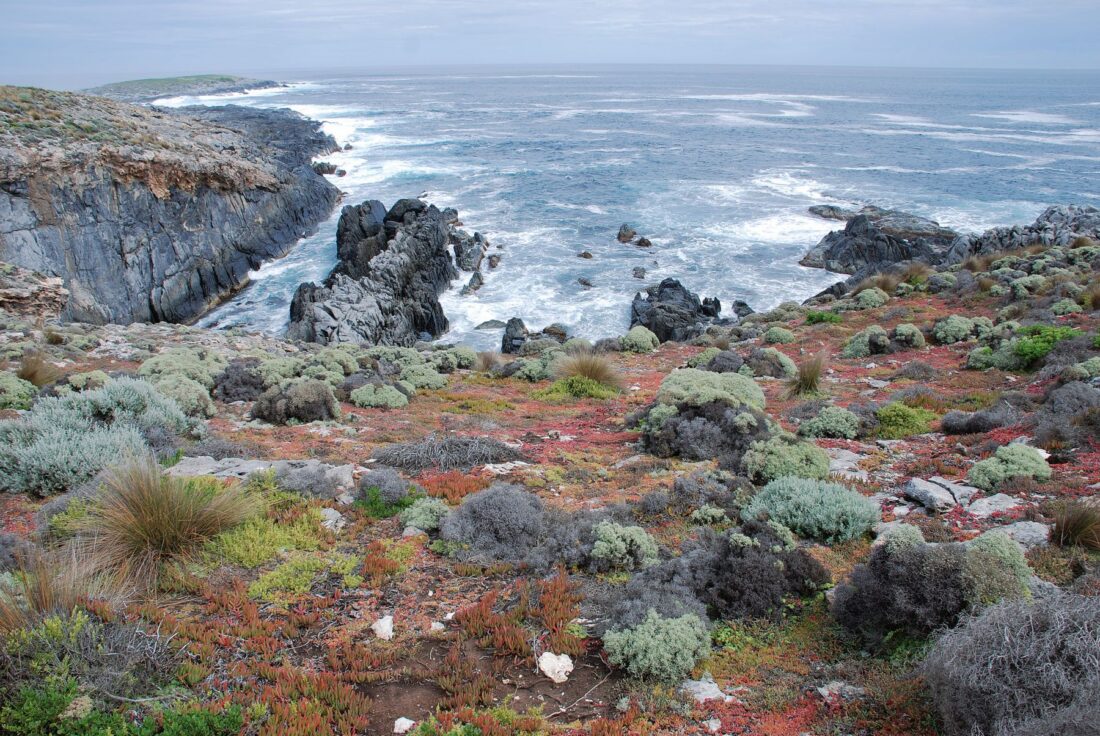
We can now reveal that the coastal lodges will not be built, and that one of the longest stretches of temperate wilderness coastline left in the world will be permanently preserved unblemished for future generations to enjoy in awe and wonder. National parks were created to preserve the natural environment for all to enjoy, not to serve as exclusive playgrounds for rich paying customers. Thank you to all the multitudes of people who supported us during the fight, and special thanks to ex-Minister Susan Close for her support during our campaign and under whose watch the development was cancelled.
To learn more, head to our Facebook page.
Public parks not private playgrounds
A BLIGHT ON THE GARDENS OF STONE
Dharug/Wiradjuri Country
Three years ago, in Wild #187’s Green Pages, I wrote about the commercial tourism development proposed by Wild Bush Luxury that threatened the ecologically sensitive and visually dramatic pagoda landscapes of NSW’s Gardens of Stone State Conservation Area. It’s time for an update, specifically on the glamping proposals for sites of international heritage significance.
In late January 2026, NSW’s National Parks and Wildlife Service (NPWS) released a draft Review of Environmental Factors (REF) for three resorts to be built among the rare pagoda landforms of the Gardens of Stone SCA, a national-park-in-waiting. Approval of three resorts sets a gold-plated precedent for future damaging private developments located in visually prominent, high-value heritage sites in our national parks. Previously, when proposals like these haven’t been rejected outright (almost always), they were tucked away discretely in forest. But not these in-your-face proposals.
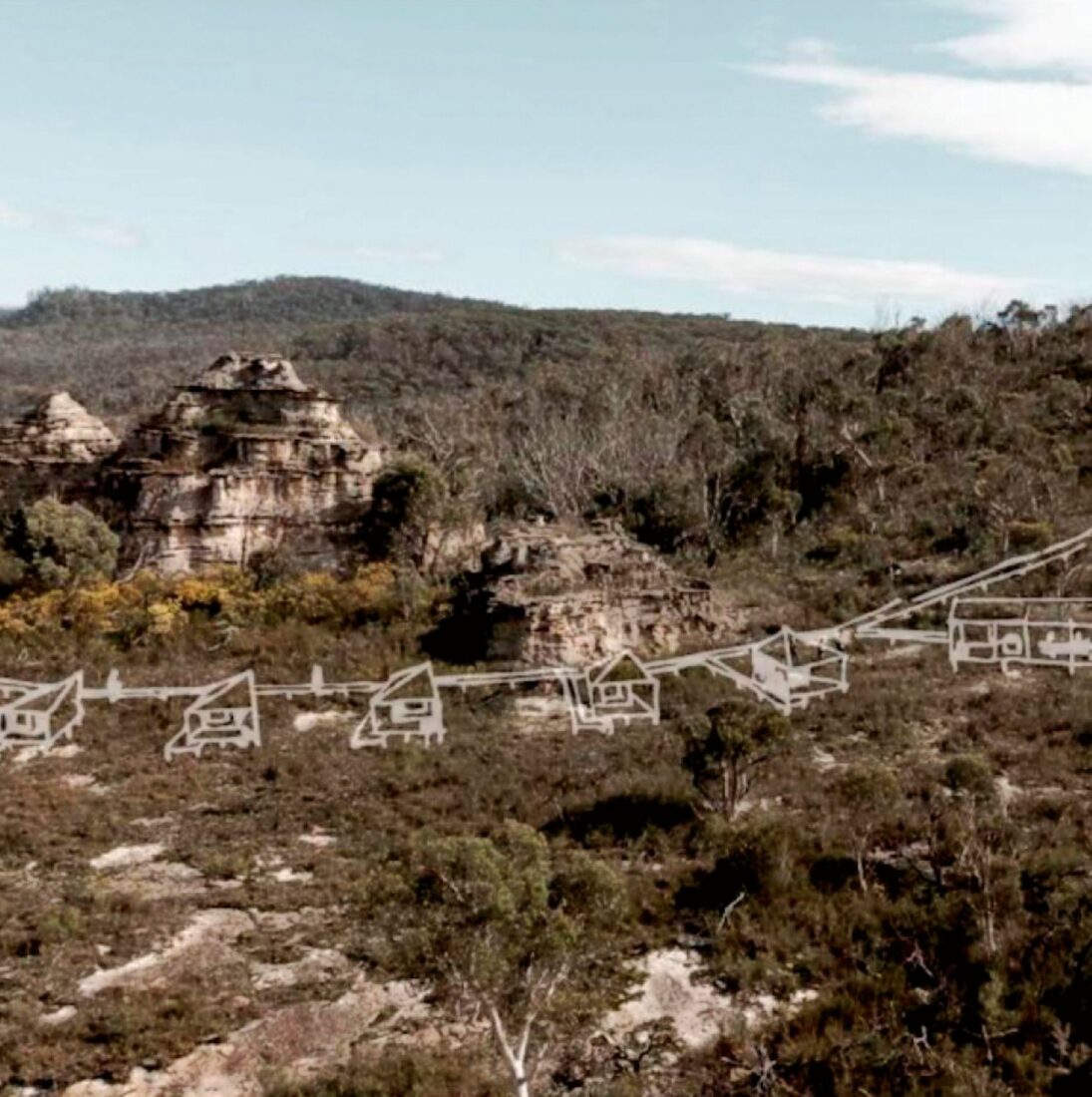
What’s more, there’s a troubling lack of transparency regarding the commercial arrangements. The lease proposal remains hidden from public view, despite (at the time of writing) the impending takeover of Wild Bush Luxury’s assets by Intrepid Travel for $5.1 million. The NPWS is doing the dirty work for these private companies, shielding them from the brunt of the consent process so their ‘green’ credentials remain unsullied. Intrepid Travel has a strong reputation, but it’s stepping into a project that’s already seen thousands of objections. We urge Intrepid to reconsider whether they want their brand linked to the blighting of pristine pagoda landscapes.
We need to stop these glamping proposals in this national-park-in-waiting, or it’ll soon be open season for park developers. The draft REF was exhibited until Feb 26; we can only hope Environment Minister Penny Sharpe takes heed of undoubtedly numerous objections the draft REF surely received. You can learn more at gardensofstone.org.au or ponp.org.au.
If approved, each resort site—all set in a pagoda landscape—will include:
- Six two-person cabins, each with a deck
- A communal area the size of a small house
- An amenities building with showers and toilets, with waste flown out by helicopter
- Three water tanks totaling 30,000 litres
- A solar array for power and a utility services hut
- Boardwalks to connect the cabins, common area and amenities block
- A 60m2 greywater system with septic tank and large artificial soil mound sown with exotic grass (the big heap of dirt is needed because the sites are on rock!)
KEITH MUIR,
Wilderness Australia
CLINGING TO THE EDGE
Perched among Queensland’s rocky escarpments, the brushtailed rock-wallaby is one of Australia’s most agile yet threatened marsupials. Once widespread, its numbers have declined due to habitat loss, introduced predators and inappropriate fire regimes.
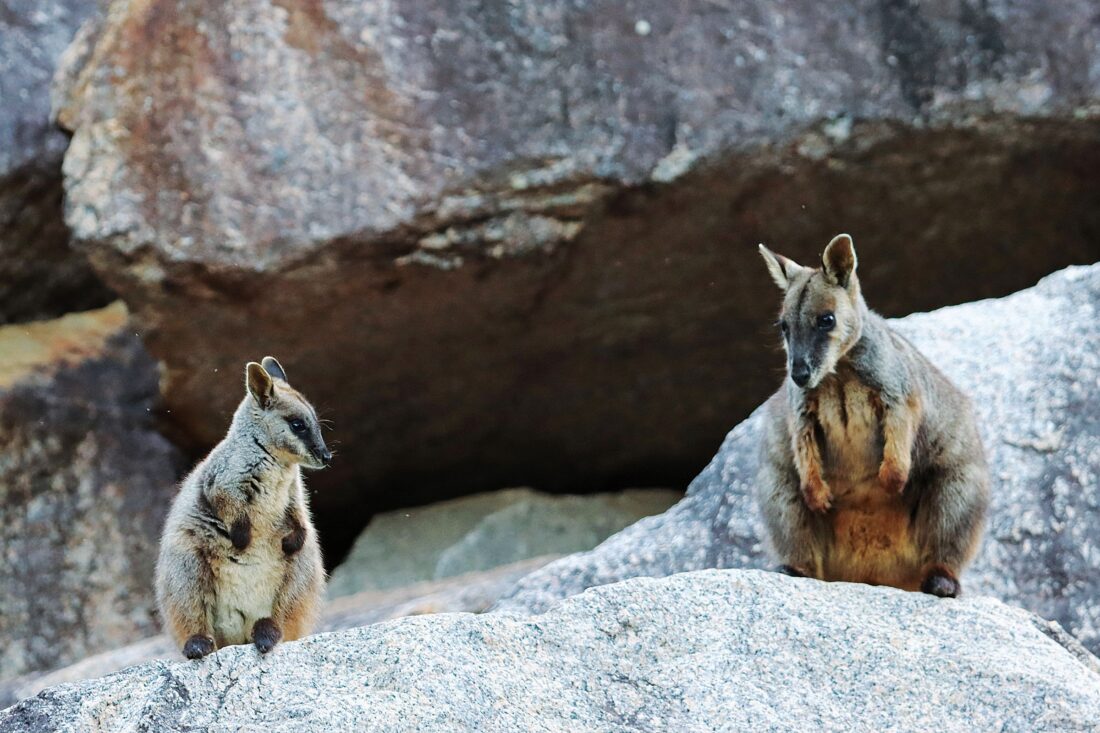
Wildlife Queensland (in a project that received grant funding from the Australian Government’s Saving Native Species Program) is working on the ground to turn this story around. Our conservation program combines large-scale fox control and weed management to protect both rock-wallabies and the rugged landscapes they depend on. Using camera traps, drones and connectivity analysis, we track populations and identify ways to reconnect isolated colonies across thousands of hectares.
Encouraging signs are emerging, with increased sightings and evidence of breeding at key sites. But long-term recovery needs sustained action.
To learn more, support our work, or get involved in protecting these remarkable cliff-dwelling survivors, visit wildlife.org.au
Wildlife Queensland
CULVERTS FOR CRAYFISH
Lutruwita
The elusive and ancient Astacopsis gouldi is the target of an important study being undertaken by Mount Roland Land Care (MRLC), in the northwest of Tasmania. The future of this IUCN-listed freshwater invertebrate—the largest on the planet—is in doubt because of fishing (illegal since 1998) and habitat loss. It appears that under-road culverts might also be contributing to a decline in numbers.
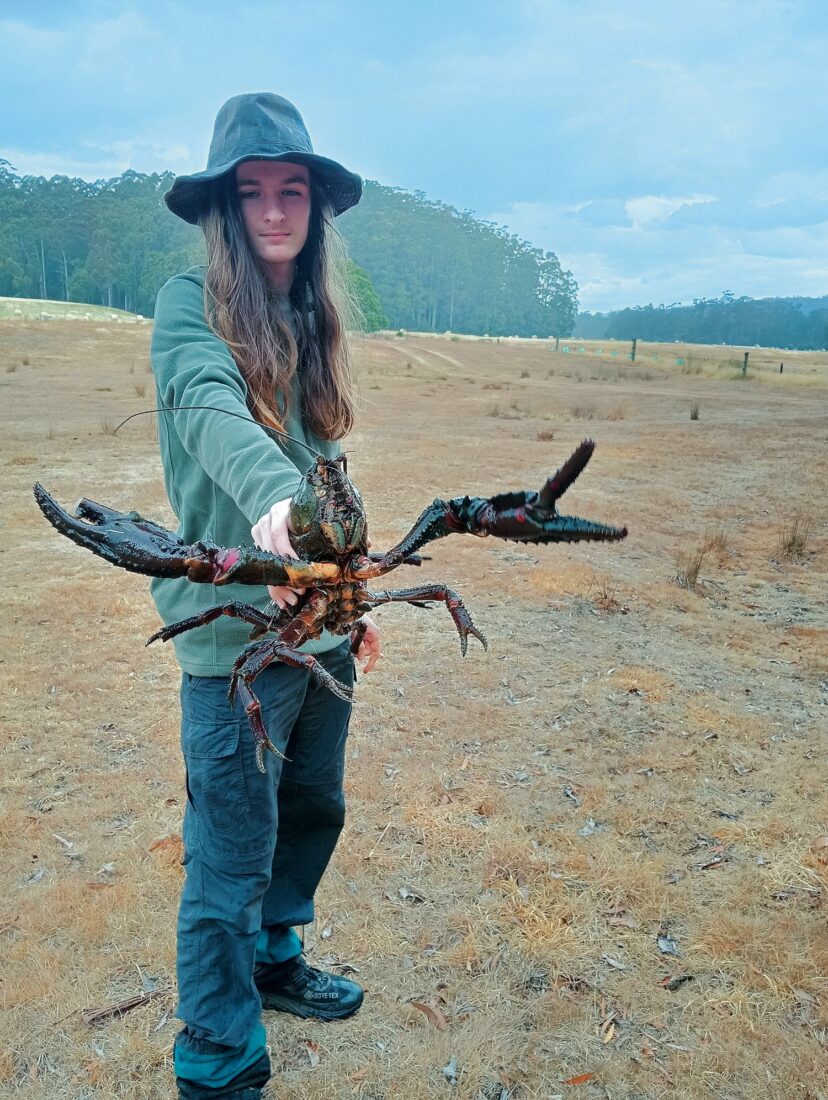
The crayfish move up and down waterways for breeding and feeding, but are unable to use culverts for upstream travel against the flow of water. The slow-moving animals have no choice but to cross roads—with predictable consequences. MRLC’s study—funded by the Wettenhall Foundation—has been investigating modifications which can be pre-fitted or retro-fitted to culverts to aid crayfish travel.
Full details of MRLC’s crayfish work, which has been in progress since 2021, are available at mountrolandlandcare.org.au/culverts-for-wildlife-project
Mount Roland Land Care
BACK FROM THE BRINK
Western Australia is one of the most biodiverse regions on the planet, home to ancient ecosystems and species found nowhere else on Earth. However, WA’s nature is in trouble, with the health of threatened species in decline, habitat loss, and ecosystems under strain from a drying and warming climate.
Back from the Brink: A Protection Agenda for Nature outlines the most important changes needed in our state environment laws, bringing together thinking from across the environment movement to set out a clear path forward for the transformation needed to protect WA’s natural environment.
450 plants and 250 animals are listed as threatened in WA, and every year numbers are rising.
Back from the Brink puts threatened species and habitat loss in the spotlight, with a clear roadmap towards preservation and restoration.
Find out more at: ccwa.org.au/backfromthebrink
Conservation Council of WA