
Green Pages: Issue #200, Winter 2026
A selection of environmental news briefs from around the country.
Banner image credit: Bob Brown Foundation.
(This piece originally featured in Wild #200, Winter 2026)
DESTRUCTION BEHIND LOCKED GATES: The Secret Attack On Tasmania’s Wentworth Hills
Waykaywirinu
Precious forests in the vicinity of the world-famous Cradle Mountain-Lake St Clair NP are under assault from logging operations.
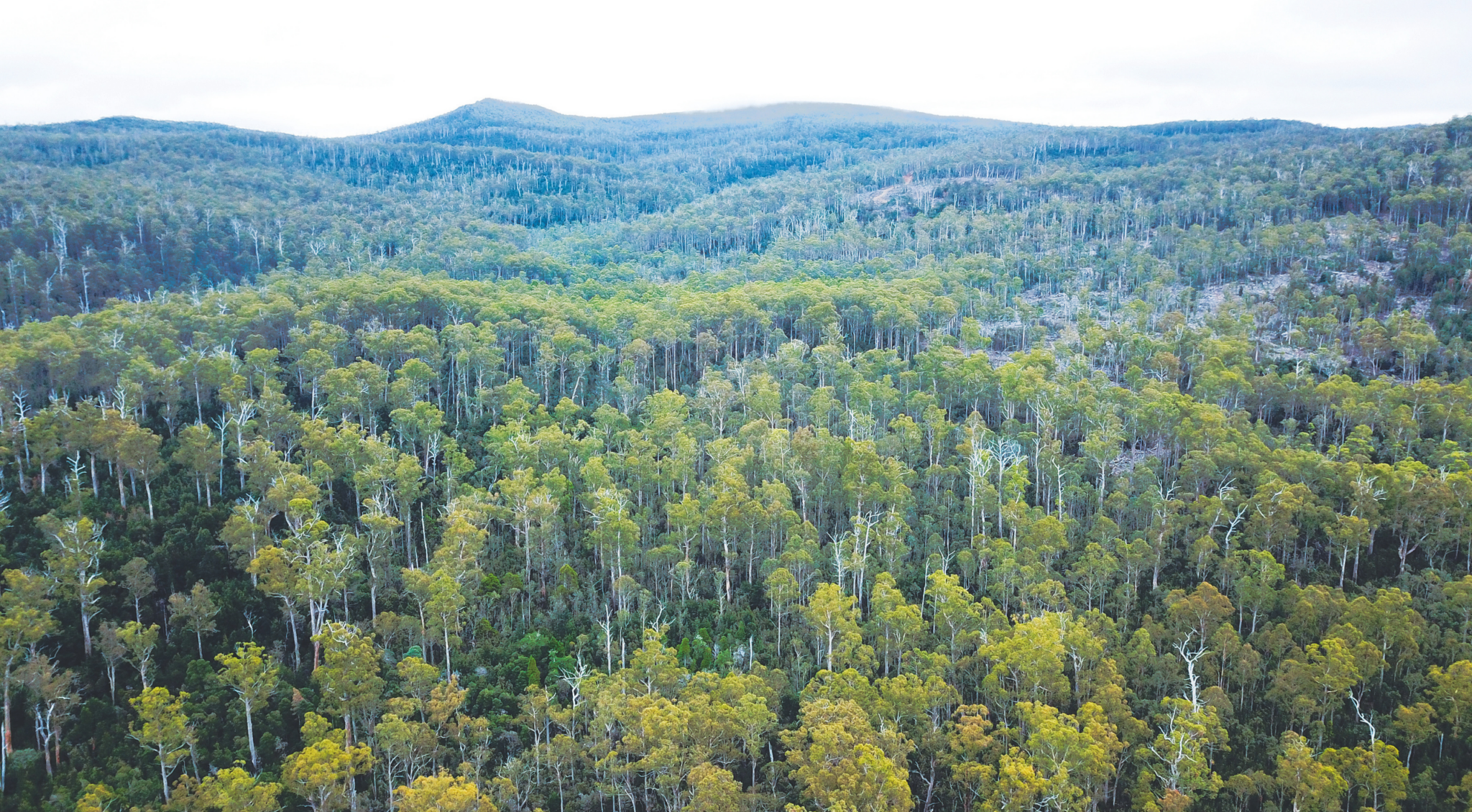
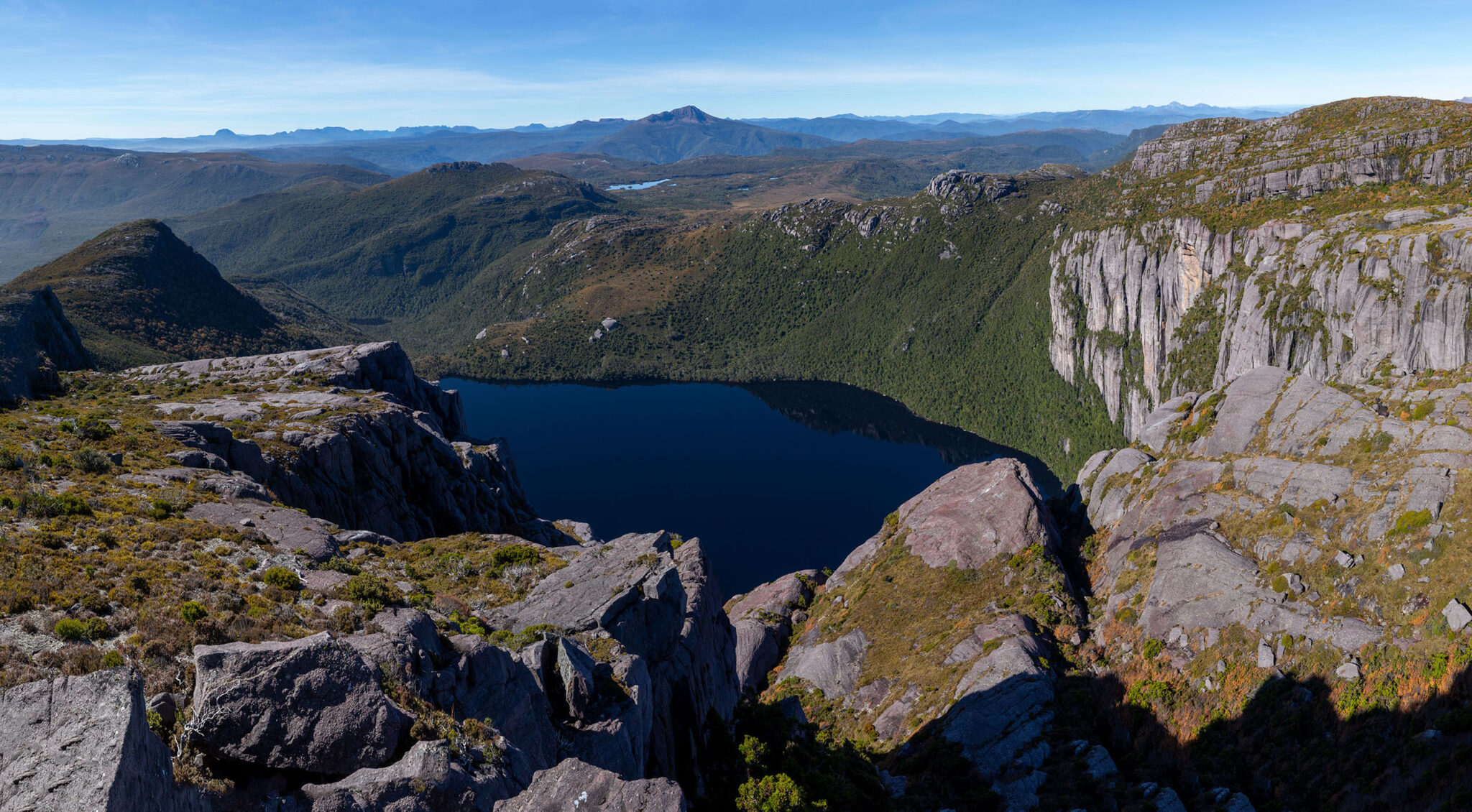
Tasmania is famous for Lake St Clair, Australia’s deepest freshwater lake and the southern gateway to the Cradle Mountain-Lake St Clair National Park. Unbeknownst to many, some of Australia’s worst logging is flattening eucalyptus forests at their highest reaches within 50km of this famous destination, and bushwalkers finishing at this stunning lake after their iconic traverse of the world-renowned Overland Track drive out through forests that are being flattened at an alarming rate. These Waykaywirinu/Central Highlands forests are habitat for rare and critically endangered wildlife, and are the watershed for Hobart, forming the headwaters of Timtumili Minanya/River Derwent.
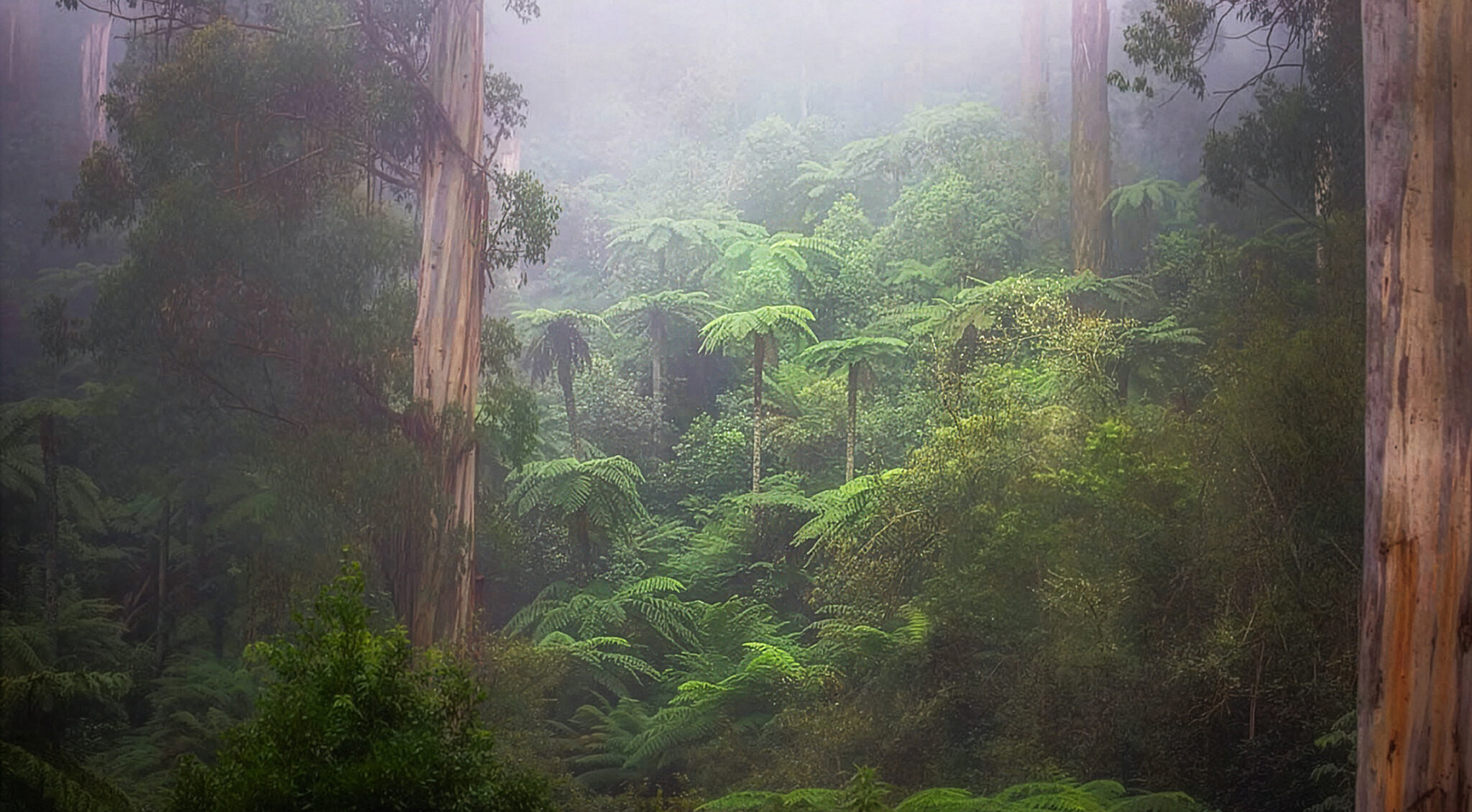
Forests hundreds of years old are being shipped off as woodchips, while their ancient ferns end up in hardware stores as garden mulch or stepping stones.
We say these are the oldest forests in Australia currently being logged because the trees are so large that log trucks can carry only one or two logs at a time. Measuring a forest by the size of trees stacked on the back of log trucks is a tragedy, but the continual stream of trucks rolling out of these forests is proof of relentless destruction despite repeated public appeals for it to stop. At the federal level, the ALP is circulating a draft national forest policy written by the native-forest logging industry.
A key reason for the lack of knowledge of the horrendous destruction occurring in the Wentworth Hills is that it’s occurring behind locked gates. Forestry Tasmania maintains exclusive access to the area being assaulted by logging operators via a large 20km horseshoe ring road and multiple locked gates. The public simply can’t get in to witness the devastation.
This is an area deserving of protection. On the plateau grows the King Billy pine, highly susceptible to fire damage and standing among fragile sphagnum-moss bogs. The foothills are steeply clad in tall, old eucalypts. The region also contains rainforest and alpine vegetation with a high proportion of Tasmanian endemic-plant species, including what is likely the largest population of pencil pine (Athrotaxis cupressoides) outside the formal reserve system. The critical services forests provide to the planet are being destroyed through this logging, including their role as watersheds and carbon storehouses.
Unfortunately, some of the most shocking evidence of logging’s impacts on Tasmanian wildlife has come from the Wentworth Hills, including the discovery of an incinerated Tassie devil after post-logging burns and a crushed ringtail possum. In these habitat-rich forests, the Bob Brown Foundation has documented critically endangered swift parrots feeding, along with sightings of Tasmanian masked owl and blue-winged parrots. These forests are also home to many other threatened fauna species including the white goshawk, Tasmanian wedge-tailed eagle, endangered eastern quoll and vulnerable spotted-tailed quoll.
The Bob Brown Foundation has led a relentless direct-action campaign calling for protection of Wentworth Hills and all forests in the Central Highlands region. We continue to call for logging machinery to be removed from the area. Extensive large-scale forest destruction has been carried out in this region for far too long. Forest defenders at the Foundation continue to document, defend and advocate for the protection of these forests.
SOME FACTS ABOUT THE WENTWORTH HILLS:
- The forests being logged in the Central Highlands are within 50km of Lake St Clair and the world-renowned Overland Track.
- Logging occurs behind multiple locked gates on a 20km horseshoe ring road used exclusively by logging operators.
- Wentworth Hills has the largest population of pencil pine outside Tasmania’s formal reserve system. It contains some of the highest-altitude eucalyptus forests currently being logged in Australia.
- The area is home to ancient temperate rainforest, fragile sphagnum-moss bogs and endemic Tasmanian plant species.
- Native species recorded in the area include: Tasmanian devil, spotted-tailed quoll, white goshawk and Tasmanian wedge-tailed eagle.
JENNY WEBER, Bob Brown Foundation
DON’T DRINK THAT
Dharug Country
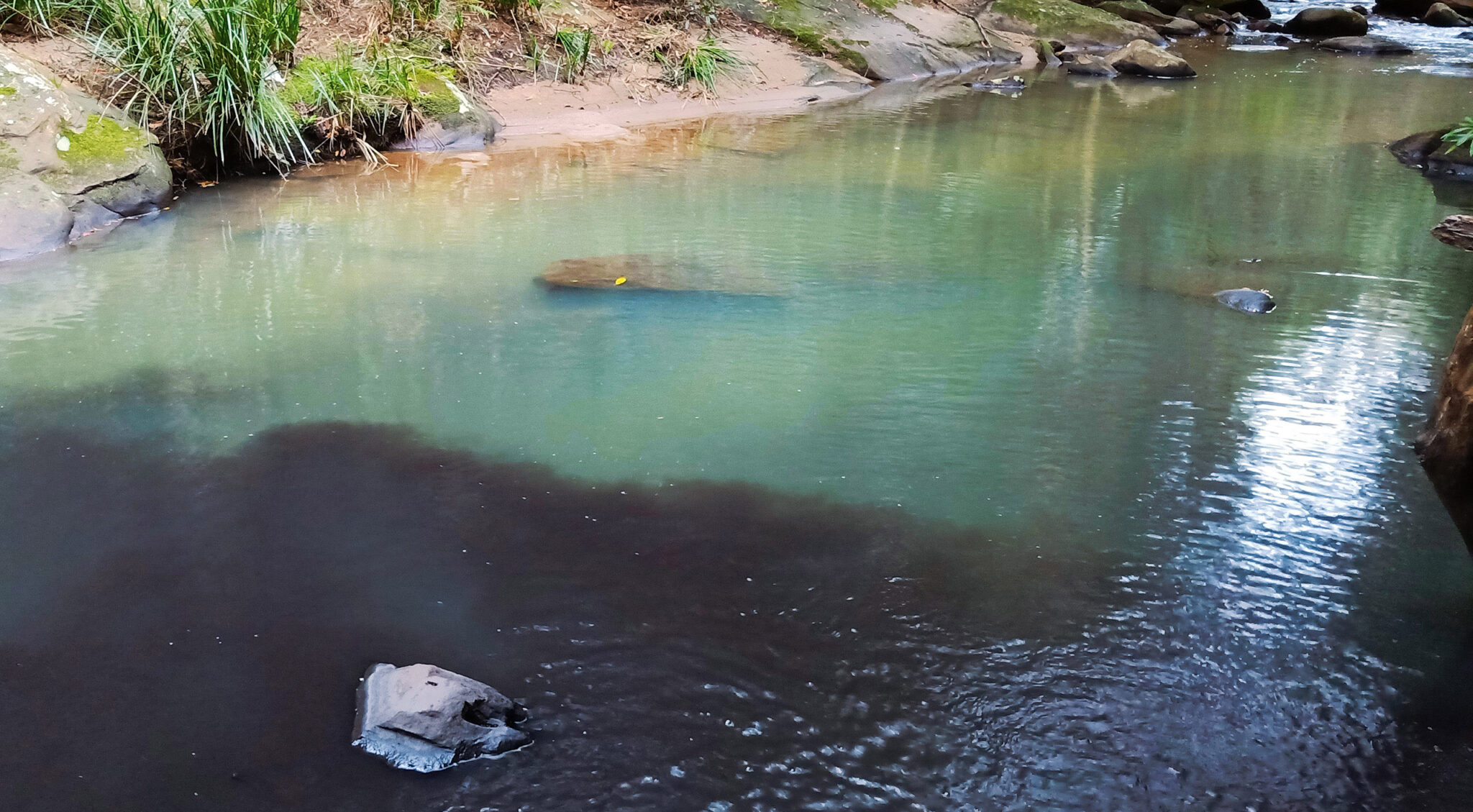
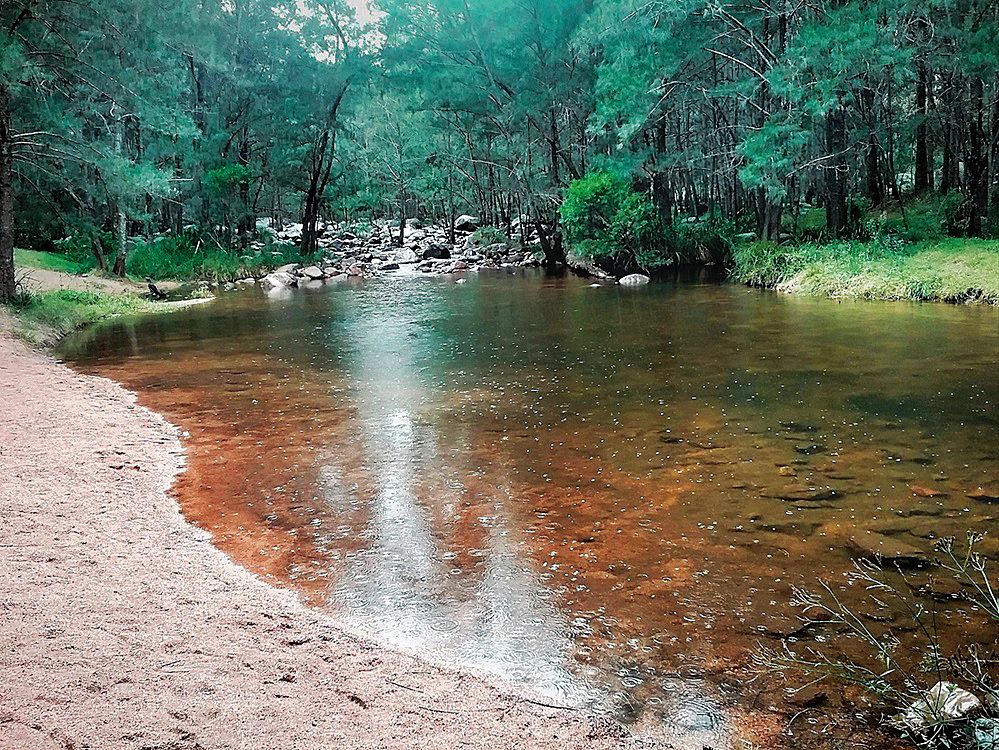
Downstream of Centennial Coal’s Springvale mine is the Cox’s River—the headwaters of Sydney’s drinking water catchment—where contamination has led to alarming pollution levels. So much so that, after a complaint from Lithgow Environment Group, the EPA intervened in January.
Though a clean-up notice was issued, months later, salinity levels in the Cox’s River remain stubbornly high. Pollution in the river is already so severe in some areas that platypuses can’t survive there.
To make matters worse, Centennial plans to expand its mines, which requires dumping ten Olympic swimming pools’ worth of wastewater into the Sydney catchment every day. As part of the Gardens of Stone Alliance, Nature Conservation Council NSW is calling for the NSW Government to strengthen protection for Sydney’s drinking water.
Stronger regulations would stop Centennial Coal dumping waste in our catchments, and in doing so, stop the expansions too—protecting nature and our drinking water. Find out more at: nature.org.au/coal_mine_pollution_still_surging_into_sydney_drinking_water
ELLIE CHAMBERLAIN, Nature Conservation Council NSW

THE MARTUWARRA/FITZROY RIVER—FOR BILLIONAIRES AND FRACKERS?
The river of life! The Kimberley’s Martuwarra/Fitzroy River flows for over 700km from the uplands of the Gibb River Road all the way across to near Halls Creek and down; it’s a massive catchment.
It flows over the plateau through gorges and pumping waterfalls to 40km-wide floodplains. The life it sustains is remarkable.
Think barramundi, critically endangered sawfish, giant freshwater prawns. It is national-heritage listed because of the ancient, living cultural connections and nature.
But Gina Rinehart wants to take huge amounts of water out of the system for agribusiness, and Texan billionaire Rhet Bennett wants to develop an oil and gas fracking province in the heart of the catchment.
The people of the Kimberley see it as a special, sacred place and want it protected.
Join us and send a message to the government. Go to environskimberley.org.au/minister_watt to petition against fracking. And to learn about protecting the Martuwarra’s waterflows, head to environskimberley.org.au/protect
Take a stand now!
MARTIN PRITCHARD, Environs Kimberley
FIGHTING PHRAGMITES
Ngarrindjeri Country
Nature Foundation is a non-profit private-land conservancy managing over half a million hectares across ten nature reserves, including the 92ha Watchalunga Nature Reserve on South Australia’s Fleurieu Peninsula.
This wetland reserve is being revegetated and restored, and provides critical habitat for the nationally endangered Mt Lofty Ranges southern emu-wren.
Controlling Phragmites australis (common reed) is an ongoing threat-management activity. While Phragmites is native to South Australian wetland ecosystems, it is considered invasive in some areas due to its encroaching into areas of the reserve’s low shrubland, including emu-wren habitat.
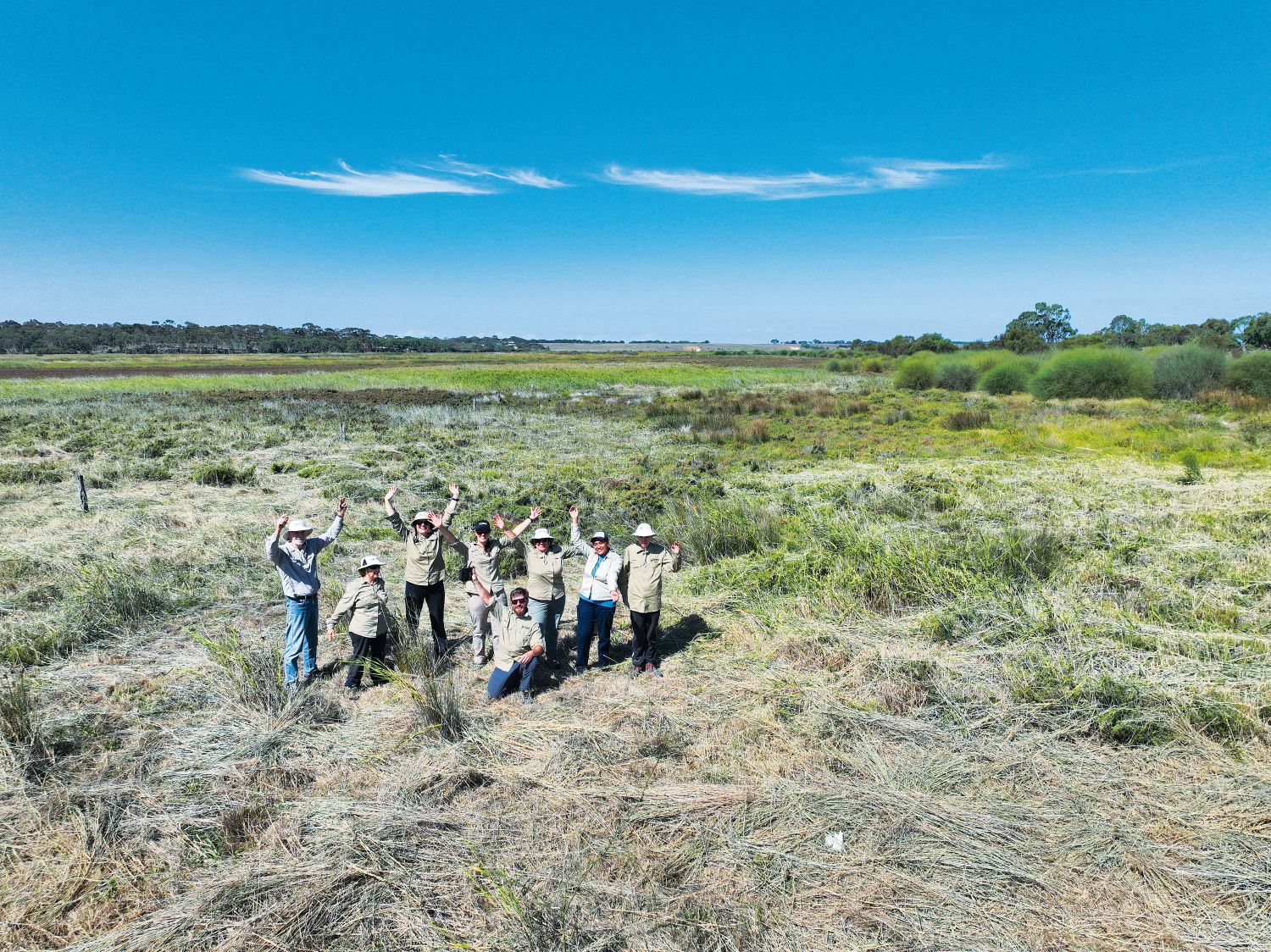
Over three days in March, Nature Foundation staff and volunteers slashed 11,997m² of Phragmites. Sustained effort over multiple seasons is required to keep this tenacious species in check, making this working bee a crucial annual management activity.
Learn more and get involved at: naturefoundation.org.au
ERICA STACEY, Nature Foundation
If you liked this piece, you should subscribe to the print mag. Only a fraction of the great stories we run in the mag make it to our website; if you want to read them, head to subscribe.wild.com.au