
Getting Started: Snow Camping
Thinking about heading into the Australian Alps for your first snow-camping trip?
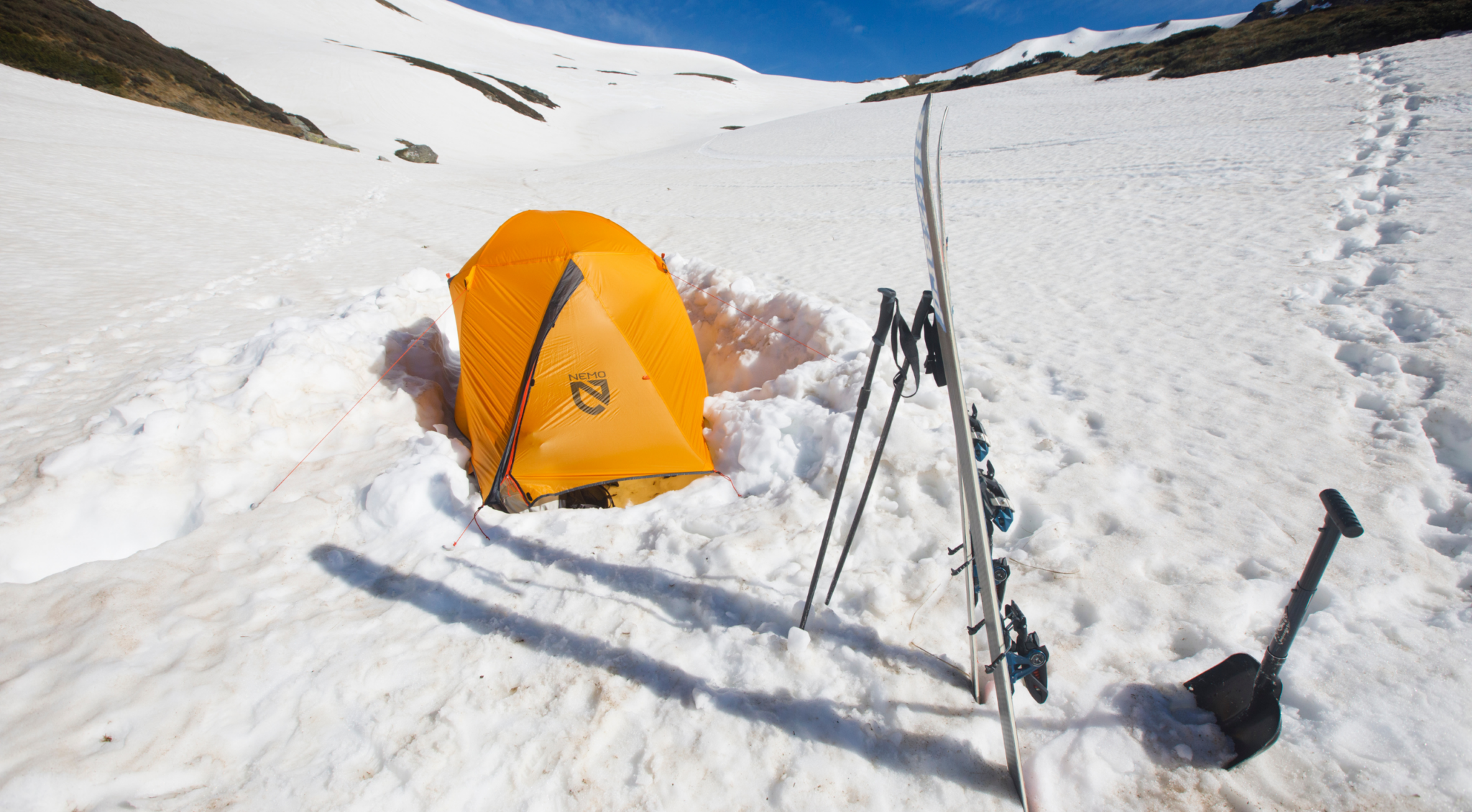
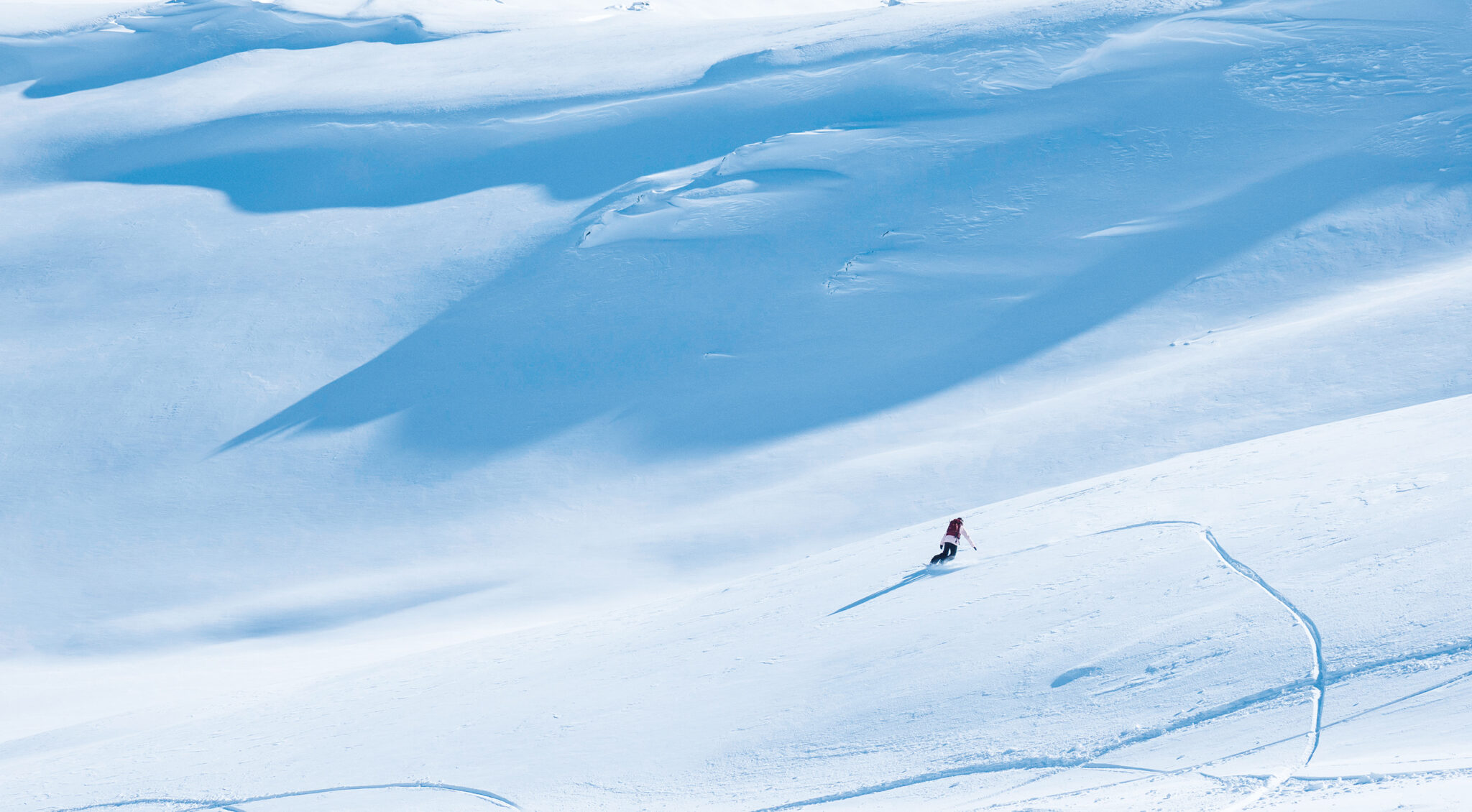
Header photo caption: Camping beneath Club Lake in Kosciuszko NP. Credit: James McCormack
(This piece originally featured in Wild #200, Winter 2026)
Wondering what gear you need for Aussie snow camping? Wild Earth Ambassador Kate Donald gives you the lowdown on the ‘big four’ items to consider.
It was sometime around 2AM when I finally admitted I’d messed up. Snow had blown in under my tent, dusting my sleeping bag as I lay curled in a ball, trying not to lose what little warmth I had left. I was on my first snow-camping trip with a summer sleep system, and it was showing.
The ‘big four’ (sleeping bag, sleeping mat, tent and backpack) are what matter most when snow camping. They make up the bulk of your kit in both weight and cost, and they can make or break a trip. I’ve spent plenty of nights on snow since that first trip, figuring out what to look for when choosing winter gear, and refining my setup along the way.
SLEEPING BAG: If there’s one place to be conservative, it’s here. Temperature ratings are optimistic at best and they assume perfect conditions, which snow camping rarely has. If you think you need a 0°C sleeping bag, you probably want something closer to -5°C. Remember, it’s much easier to lose heat than create it.
A down or synthetic sleeping bag is the age-old debate. Synthetic handles moisture better and still insulates when damp. Down compresses more, and is warmer for its weight, but loses performance if wet. I prefer to use down, but I look for treated fill and a water-resistant shell fabric that can handle condensation and a brush with snow.
PRO TIP: If you’re pushing your sleeping bag’s temperature ratings, a fleece liner can help add a few degrees of warmth. Otherwise, if you wake up cold in the night, a Nalgene bottle filled with hot water works great as a makeshift hot water bottle. You can zip a shell jacket around your footbox for a little extra insulation, too.
SLEEPING MAT: This is where most people go wrong. You can have the warmest sleeping bag, but it’s almost useless on a bad sleeping mat. Most of your heat is lost into the snow beneath you, and once your sleeping bag is compressed, it can’t do much to stop it. This is where R-value comes in. It’s a measure of how well your mat insulates you from the ground, so it’s one of the most important numbers to pay attention to when buying a winter-rated mat. The higher the R-value, the better it will perform on snow.
PRO TIP: Stacking mats is the easiest way to boost insulation. A foam mat underneath an inflatable mat can add warmth without blowing the budget.
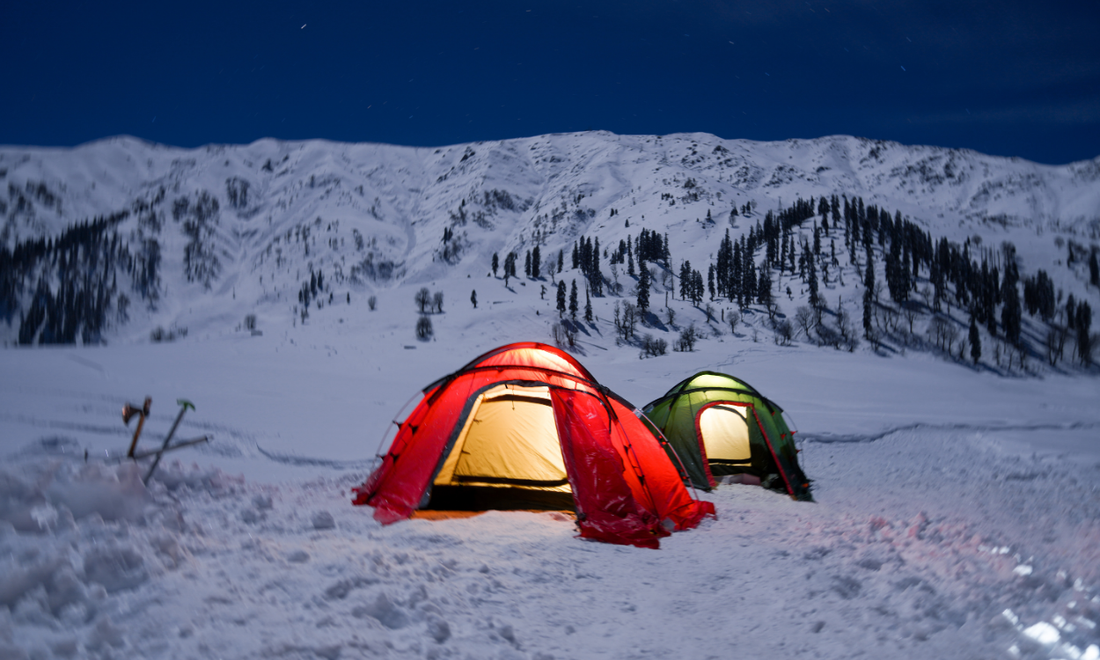
TENT: You can get away with a three-season tent in the shoulder seasons, but in peak winter you’ll want something more robust. Australian snow is heavy and wet, and usually comes with strong winds. Your tent needs to handle both. That’s why I lean towards freestanding tents; they’re easier to pitch when the ground isn’t really ground (aka snow).
Don’t forget about condensation. Warm air from your breath hits the cold tent wall, and by morning the inside can be coated in ice. Double-wall tents help manage this (as do waterproof-breathable materials if you’re going single wall), and good ventilation is key, even when it feels a little counterintuitive.
PRO TIP: Three-season tents usually come with a mesh inner, but for some models you can buy an alternate full-nylon inner to swap in. This adds warmth and makes the tent winter ready without needing a whole new setup.
PACK: Winter gear is bulky, there’s no way around it. Your pack needs to handle more volume, more weight, and sharper gear. A 55–65L pack is a good overnight size once you add a winter sleep system, multiple layers, and technical gear like crampons. Look for practical carry options, like A-frame ski or snowboard carry (horizontal and vertical), plus plenty of external attachment points for extra gear like helmets and ice axes.
Keep in mind, Australian alpine touring often involves a mix of snow and scrub, and lightweight fabrics don’t hold up well in our bush.
PRO TIP: If this is the only pack you’re bringing on an overnight or multi-day mission, it also needs to double as your day-touring pack, so make sure it compresses well for those afternoon hot laps.
NOT READY TO COMMIT TO WINTER GEAR?
Late-season trips in the mountains, around September or October, are a much more forgiving introduction to ‘winter’ camping. There’ll still be snow in the Australian Alps, but without the same intensity as peak season. You’ll often have the option of camping near snow rather than directly on it, with a few grassy patches around. It’s a good way to figure out if you even like the cold, before committing to a full winter-gear setup.
CONTRIBUTOR: Jindabyne-based outdoor-content creator Kate Donald is always chasing the next big adventure. She is an Ambassador for WildEarth.com.au. Follow along @katealiice
If you liked this piece, you should subscribe to the print mag. Only a fraction of the great stories we run in the mag make it to our website; if you want to read them, head to subscribe.wild.com.au