25 Years of The North Face's Summit Series
The North Face’s Summit Series sub-brand turns 25 this year. At the heart of its success has been the feedback from athletes willing to push gear to its extremes.
Words: James McCormack
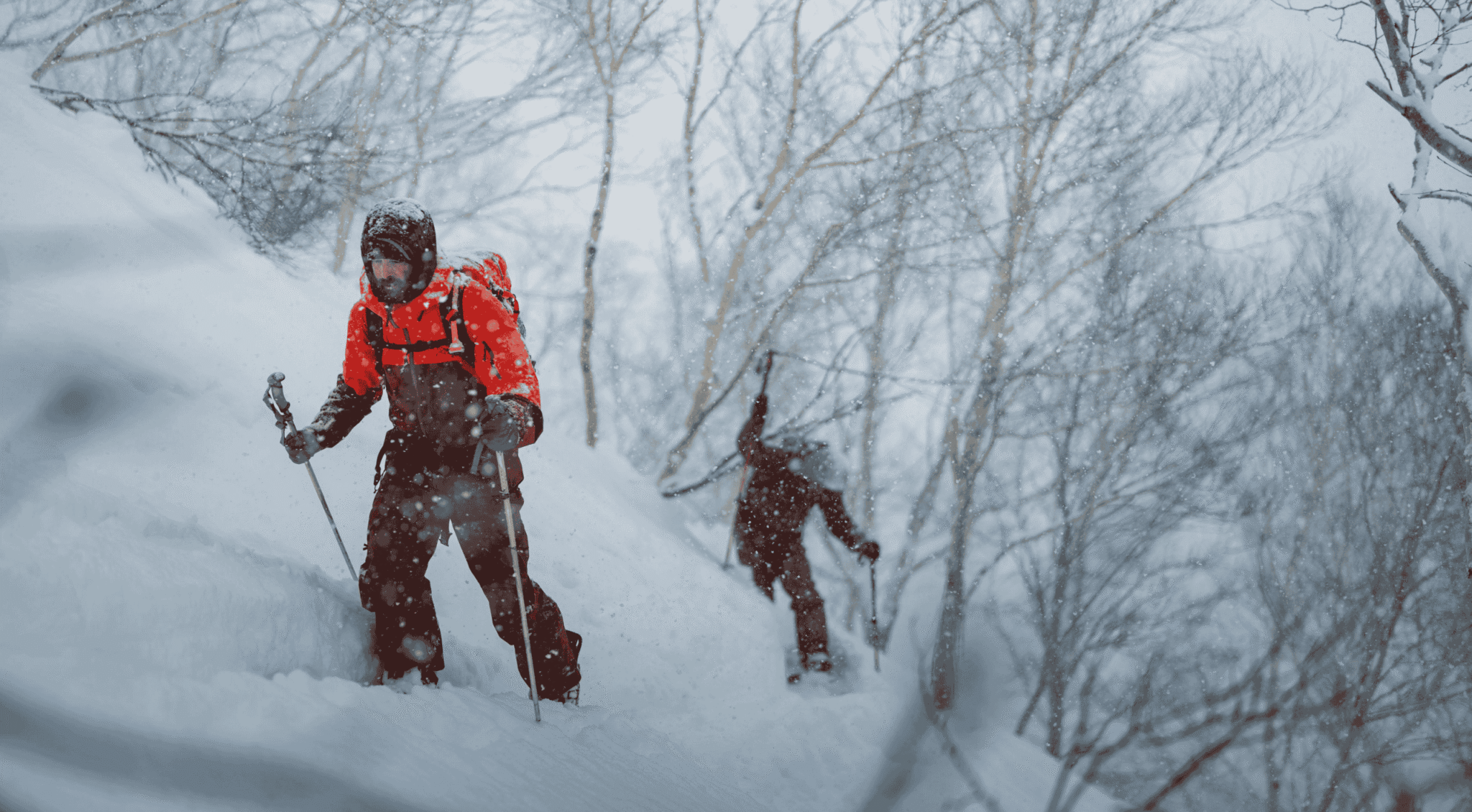
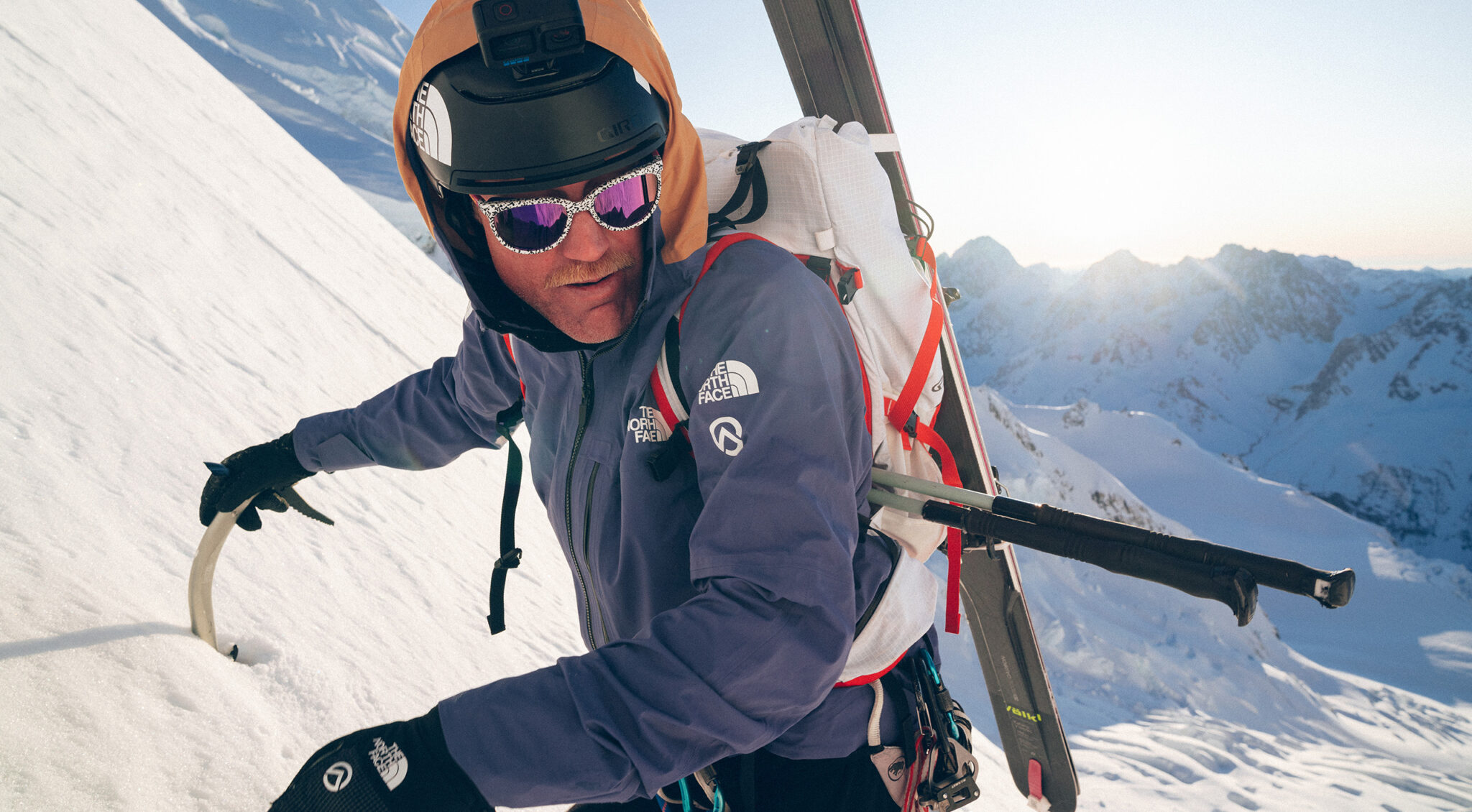
Header image caption: Sam Smoothy in 2023 during his XXIV project. Credit: Jasper Gibson
(This piece originally featured in Wild #198, Summer 2025)
Twenty-five years ago, The North Face launched its Summit Series. Now, a quarter century is a long time for a brand to be around, let alone a particular product line within a brand. But the Summit Series is no ordinary collection of products. From the very beginning, it was designed to be the pinnacle of The North Face’s gear. And at the heart of it has always been its athlete testing and sponsorship program.
Man, I’ve often thought to myself, wouldn’t that be the gig to be on! Become one of The North Face’s sponsored athletes, then flit around the world going off on awesome trips. But the thing is, of course, you actually have to be talented. Really, really talented. It kinda rules me out. You also have to know your stuff. And you have to be willing to put yourself, and your gear, through some of the most gruelling, demanding conditions on the planet.
Over the years, the crew out there testing Summit Series gear—on all kinds of first ascents and crazy expeditions—reads like a who’s who of the adventure community: Conrad Anker, Jimmy Chin, Lynn Hill, Kit DesLauriers, Alex Lowe, Dean Karnazes, Alex Honnold, and (the late) Hilaree Nelson. One of those team members is also Kiwi skier Sam Smoothy, who you may remember wrote Wild Issue #192’s cover story ‘XXIV’, an account of his ambitious project to ski all 24 of NZ’s 3,000m peaks.
Sam joined The North Face team in 2013. Wanting to hear first-hand how athletes get involved with product development, I gave him a call. He was happy to chat, but he had a warning for me: “The reason I might potentially sound a bit flat is that I was on a meeting with The North Face’s global product team from 3AM to 4AM last night, going over the latest batch of Summit Series developments, and providing feedback on that, and areas where I thought we could improve pieces.”
“One of my favourite parts of being a professional skier,” Sam told me, “is actually product research and development. You know, taking new samples and prototypes out into the field, and putting them through their paces, and being part of a team that’s really motivated to try and get every last little detail right and to make the best possible kit. I’ve had a lot of input into the gloves the last year or so. It’s nice to feel valued by such a large company that [tries] to stick to that mantra of ‘athlete tested, expedition proven’, and that actually takes on board what we think about things.”
“You can get put in touch with a specific designer of gear. You [can say], ‘Hey, I’ve been using this pack and I’m having these issues with it; I want to talk to someone in technical packs.’ And they’ll be like, ‘Cool, this is the guy or girl.’ You can be proactive and just reach out, and they’ll get back to you.”
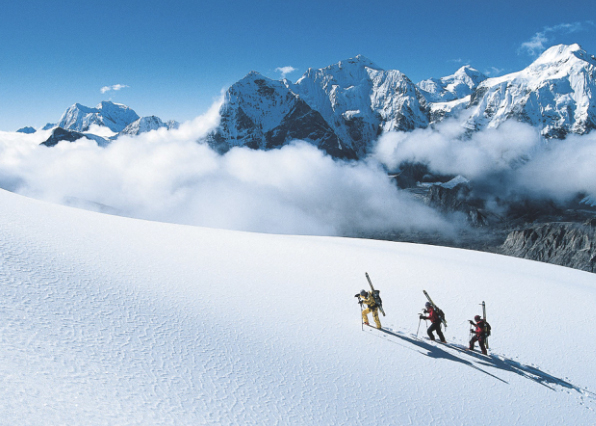
While the Summit Series was originally conceived in 2000 as a product lineup suitable for extreme conditions, most notably mountaineering and alpinism, it quickly evolved to include gear for the snow-sports community and for trail runners. Even so, feedback from the team remained at its core. Notably, in the 2010s, The North Face asked its athletes what they needed in an essential kit; they responded “simplicity”. It led to The North Face drastically paring down the Summit Series lineup. When the sub-brand was paused in 2013, it had more than 90 styles. When it was re-released in 2015, there were just eight men’s and eight women’s pieces. Conrad Anker, The North Face athletes’ Team Captain for 26 years until 2018, reportedly explained the reduction like this: “It’s like heading up a mountain and knowing you will only be eating couscous for days. Sometimes less choice is better; you find something that works and stick with it.”
For Sam, one element of simplification is his choice of gear. “I only wear Summit Series in the mountains. To me, it’s like the pinnacle of outerwear that’s been, you know, pretty much a constant companion through every first ascent and alpine peak that I’ve climbed and skied.”
Sam also admitted to me that that wasn’t the sole constant in his life of adventure: “I’ve always been especially talented at wrecking gear. It’s nice to use that for some good.” I can only imagine how much better the Summit Series, and The North Face, is for having hundreds of athletes over 25 years who, like Sam, are happy to push gear to its absolute limits and then some.
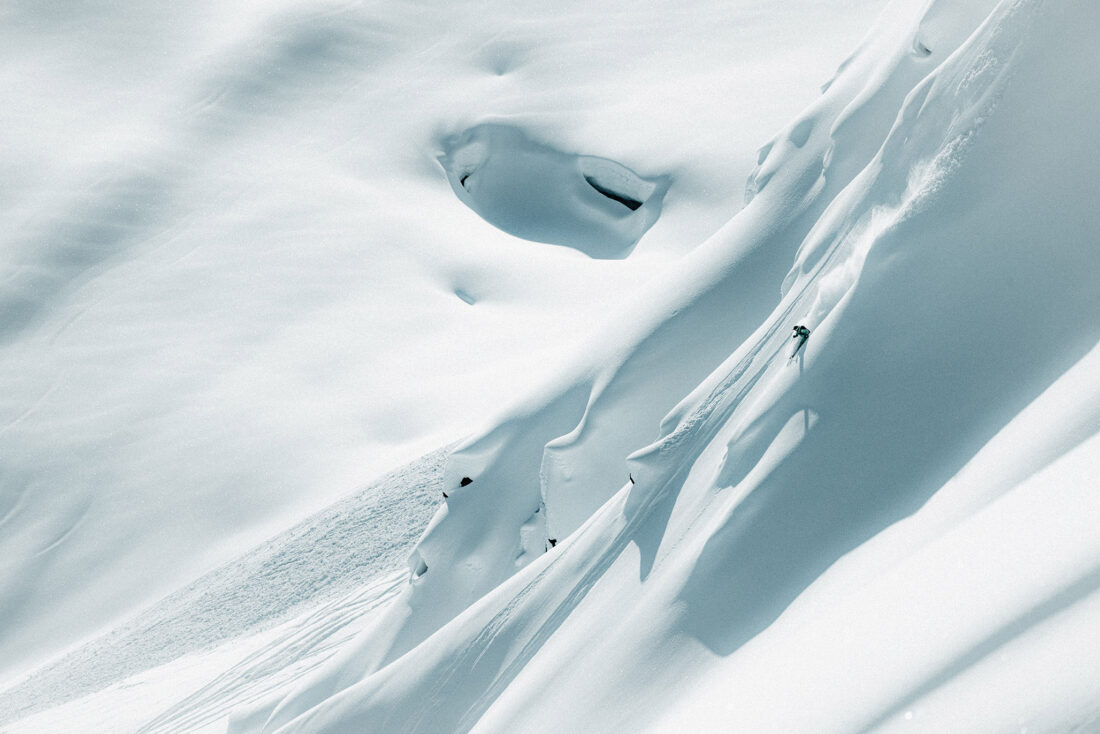
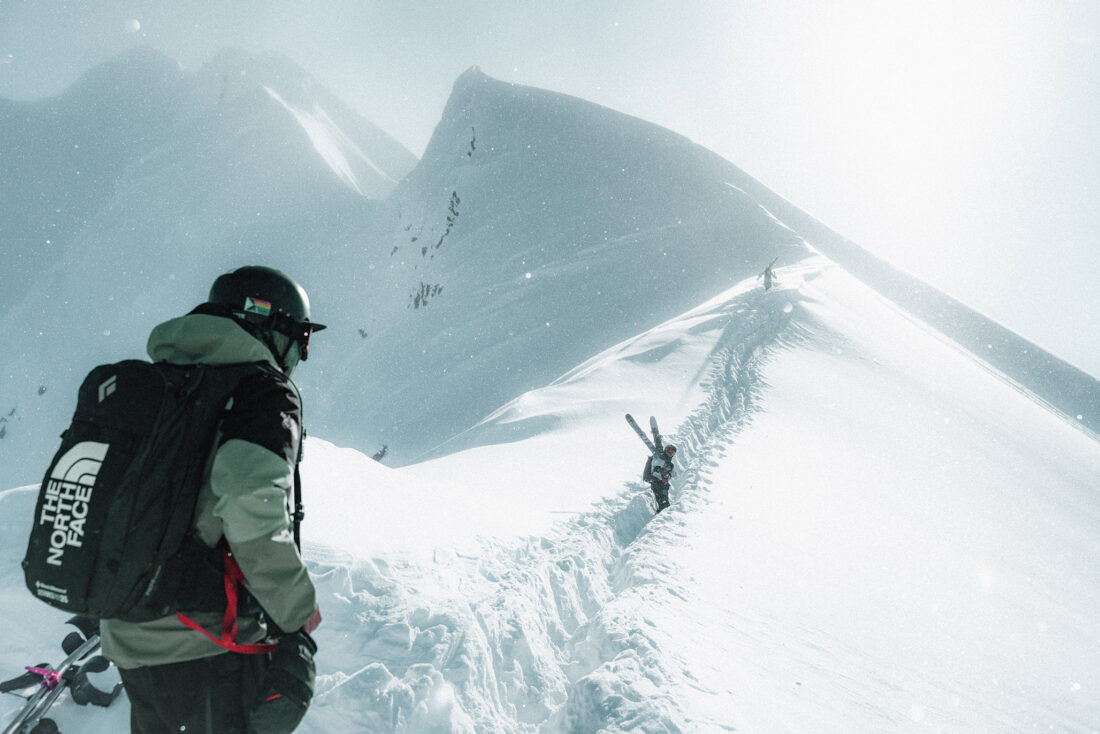
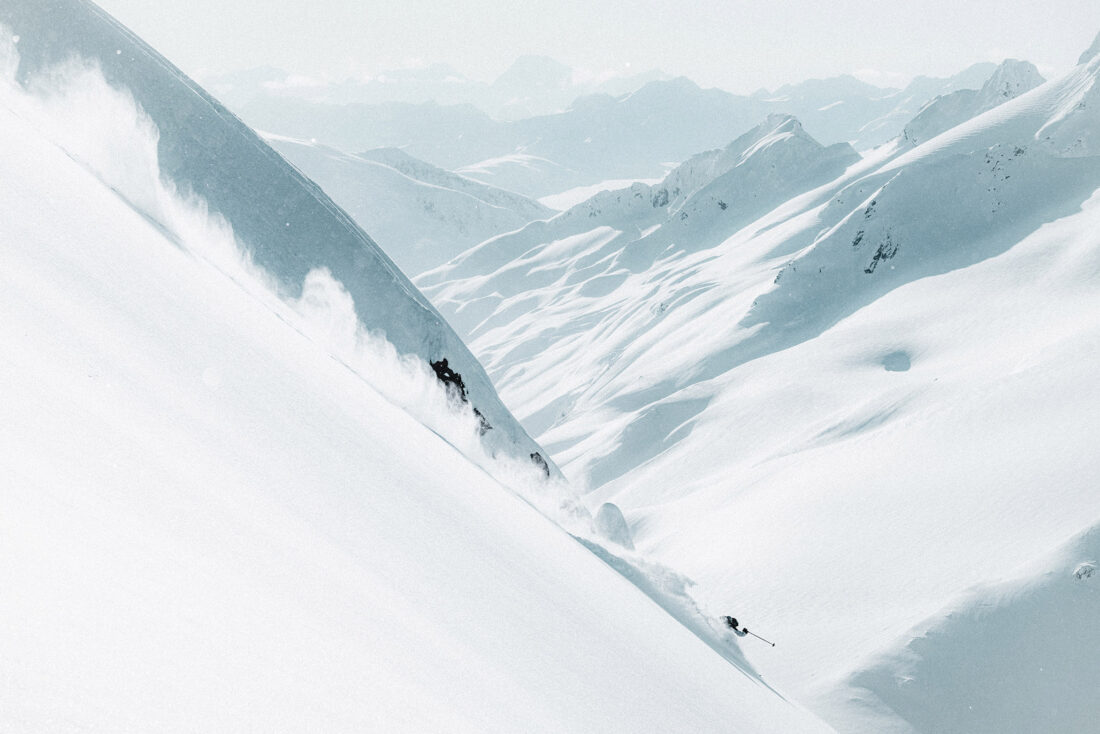
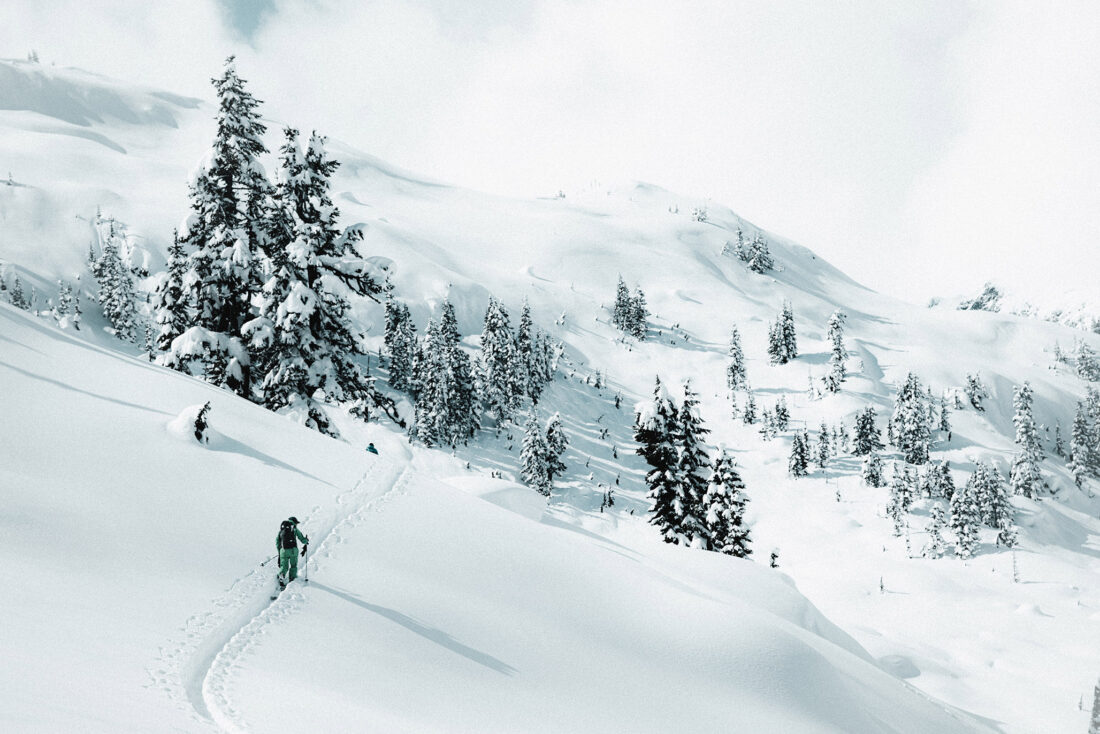
Here’s some eye candy of Summit Series gear in recent action in Alaska.
If you liked this piece, you should subscribe to the print mag. Only a fraction of the great stories we run in the mag make it to our website; if you want to read them, head to subscribe.wild.com.au