If you’ve ever finished a hike with a sweaty back, sore shoulders, or hot spots on your hips, there’s a good chance your pack’s back panel was part of the problem. Most hikers focus on capacity and pockets first, but how a pack carries is what really decides whether a day out feels good or just tolerable.
Osprey has spent decades (since 1974) obsessing over suspension and backpanel design, and while their technical names may sound a bit abstract, the idea behind them is simple: to make your pack more comfortable for longer, across more terrain, with less fatigue. Here’s how their main back panel systems actually work on the trail.
AntiGravity (AG): for long days and heavy loads
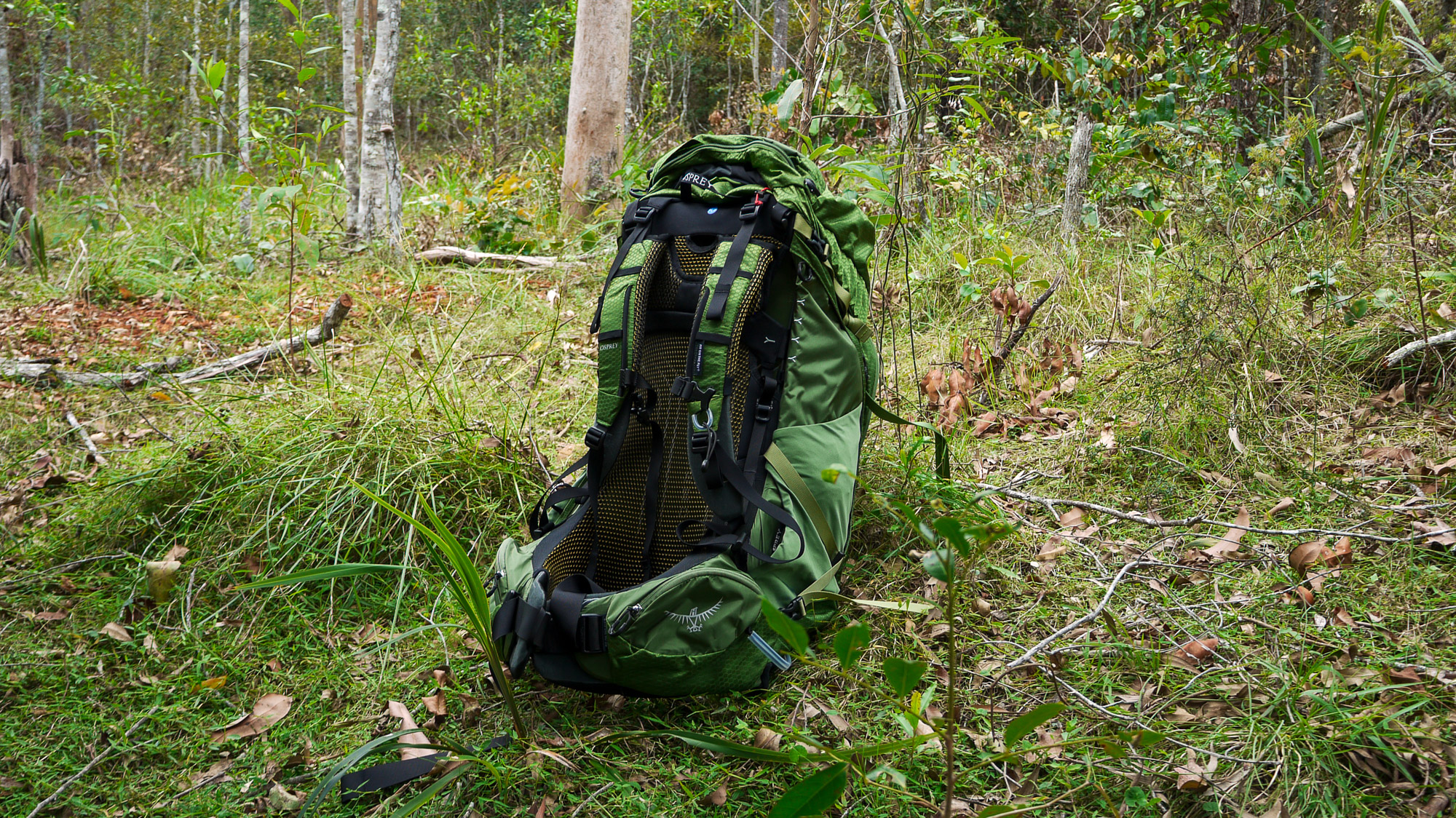
If you’ve worn an Osprey pack with AntiGravity suspension, you’ll know the feeling straight away. Instead of a solid foam panel sitting against your back, AG uses a three-dimensional suspension with a tensioned lumbar support. Which essentially runs from the shoulders, across the back, and into the hip belt.
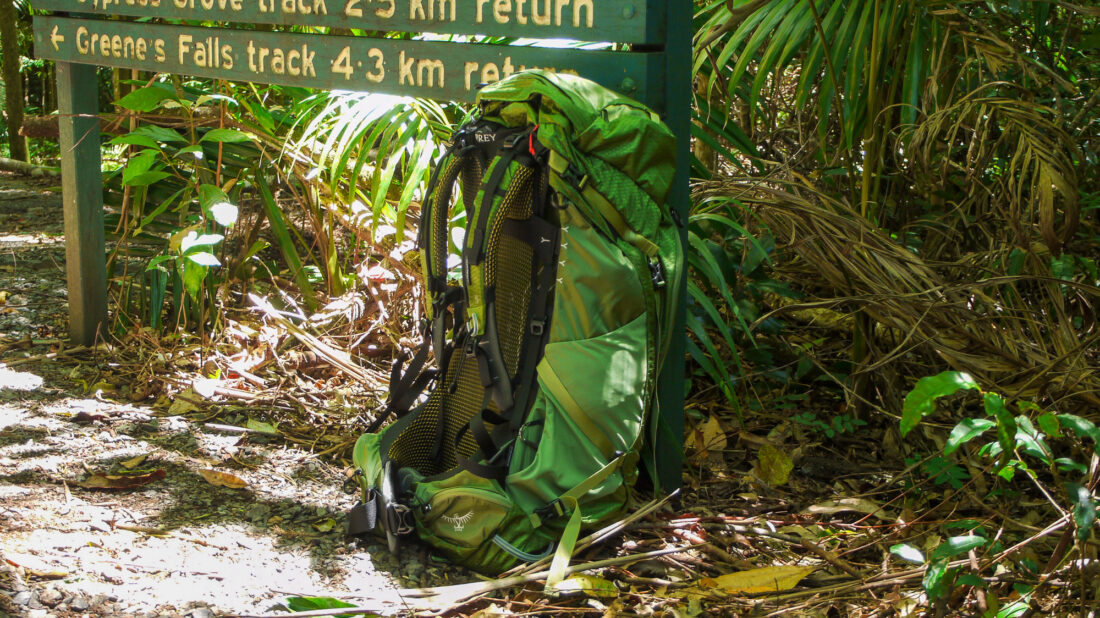
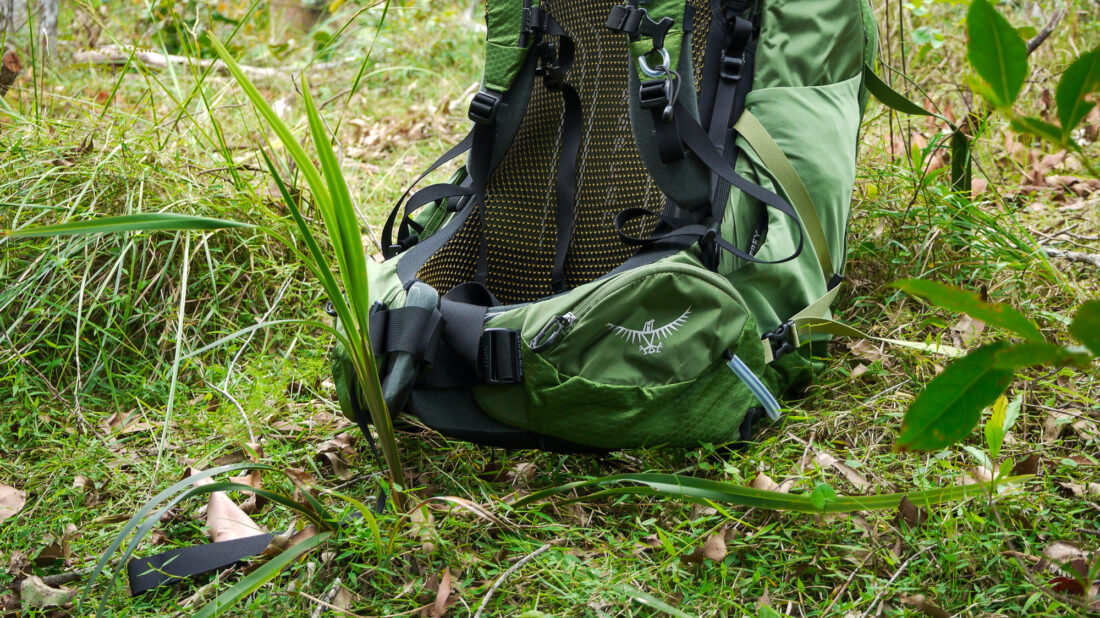
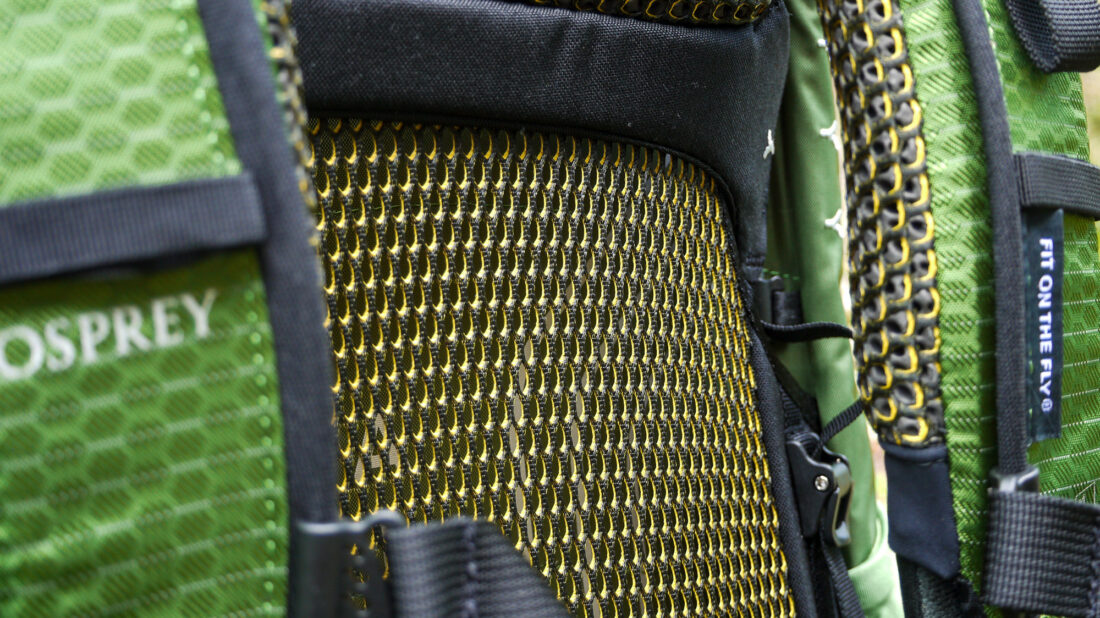
We’ve recently spent time walking with both the Atmos AG and Aura AG packs, and the way the system carries weight really stood out. By spreading the load across a much larger surface area, it takes pressure off the shoulders and lower back, while also allowing airflow between your upper and lower back and the pack. On warm or humid days, that extra ventilation makes a noticeable difference, especially around the hip belt.
Where AG really shines is on multi-day walks with heavy loads. Once the pack is properly loaded and adjusted, it feels more like it’s wrapping around you rather than dragging behind. It’s not the lightest system out there, but for comfort over distance, we’ve found it hard to beat.
AirSpeed: airflow without the bulk
AirSpeed suspension sits in a similar space to AntiGravity but is a little more stripped back. It uses a tensioned suspension mesh panel, keeping the pack off your back and allowing air to move freely.
Found on the Stratos and Sirrus packs, it’s a great option for people who want great ventilation, but might not be carrying enough weight to warrant the AntiGravity system. It still keeps sweat down and still spreads the pack’s weight evenly across your back.
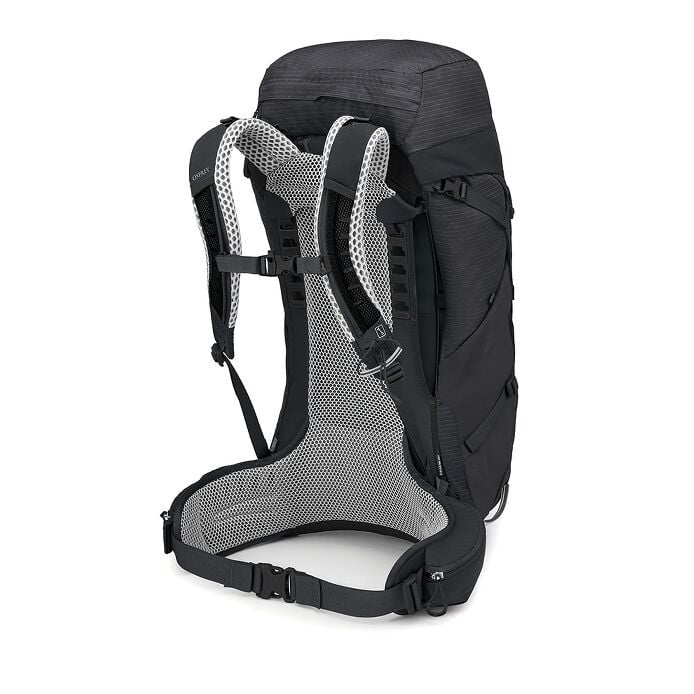
AirSpeed packs tend to feel a bit more “traditional” in how they sit, but with much better airflow than a foam-backed design, making it a great choice for an overnighter pack or a larger day pack, to be used in hot climates.
AirScape: close, stable and efficient
Where AG and AirSpeed focus on airflow, AirScape is about keeping the load closer and stable. It uses sculpted foam with ventilation channels, sitting closer to the body.
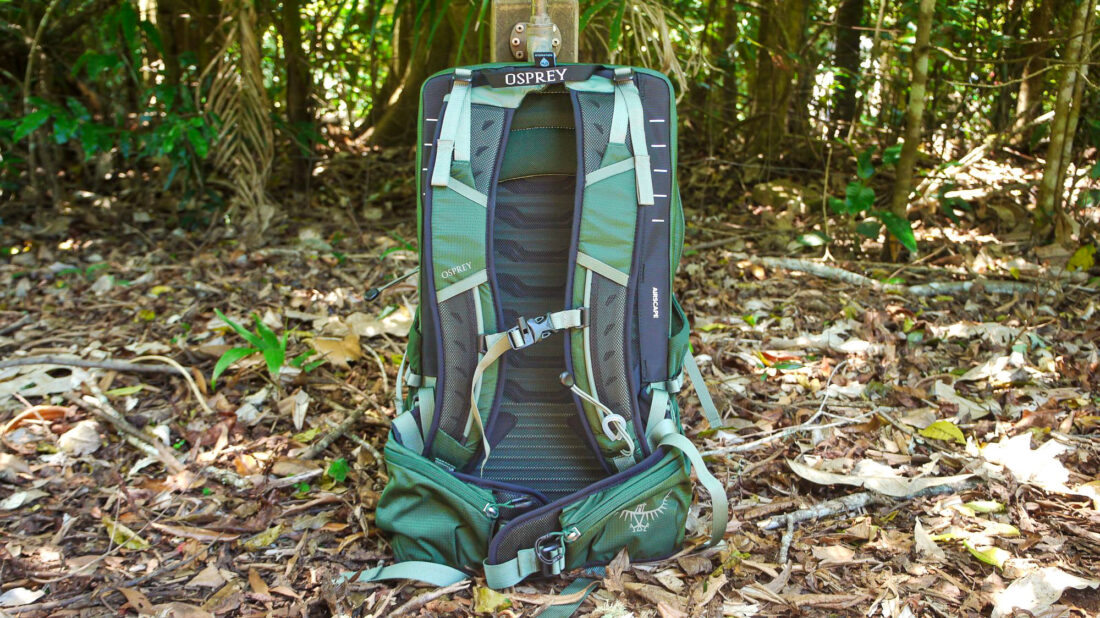
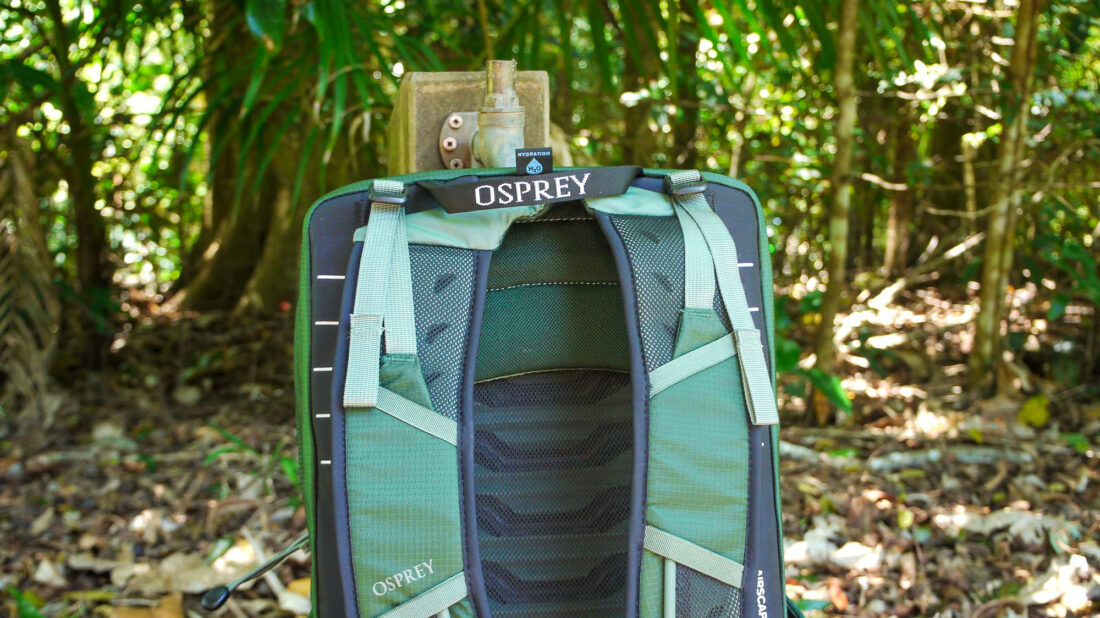
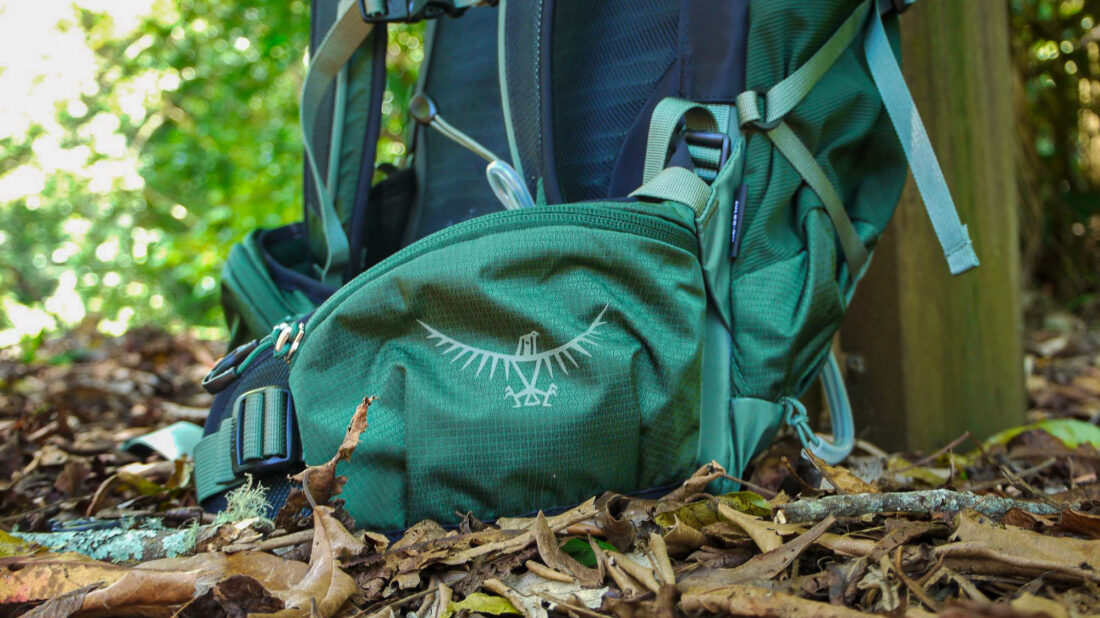
This system works particularly well when the terrain gets rough or when you’re moving faster. The pack feels locked in and predictable, which is great for cycling, running, technical trails, scrambling, or fast-paced hiking where balance matters.
In 2024, I used the Osprey Raptor (with AirScape) on a bikepacking trip from Sydney to Brisbane over a week of all day riding. You can read the review here. This backpanel is also featured on some of Osprey’s larger multi-day hiking packs, such as the Aether and Ariel.
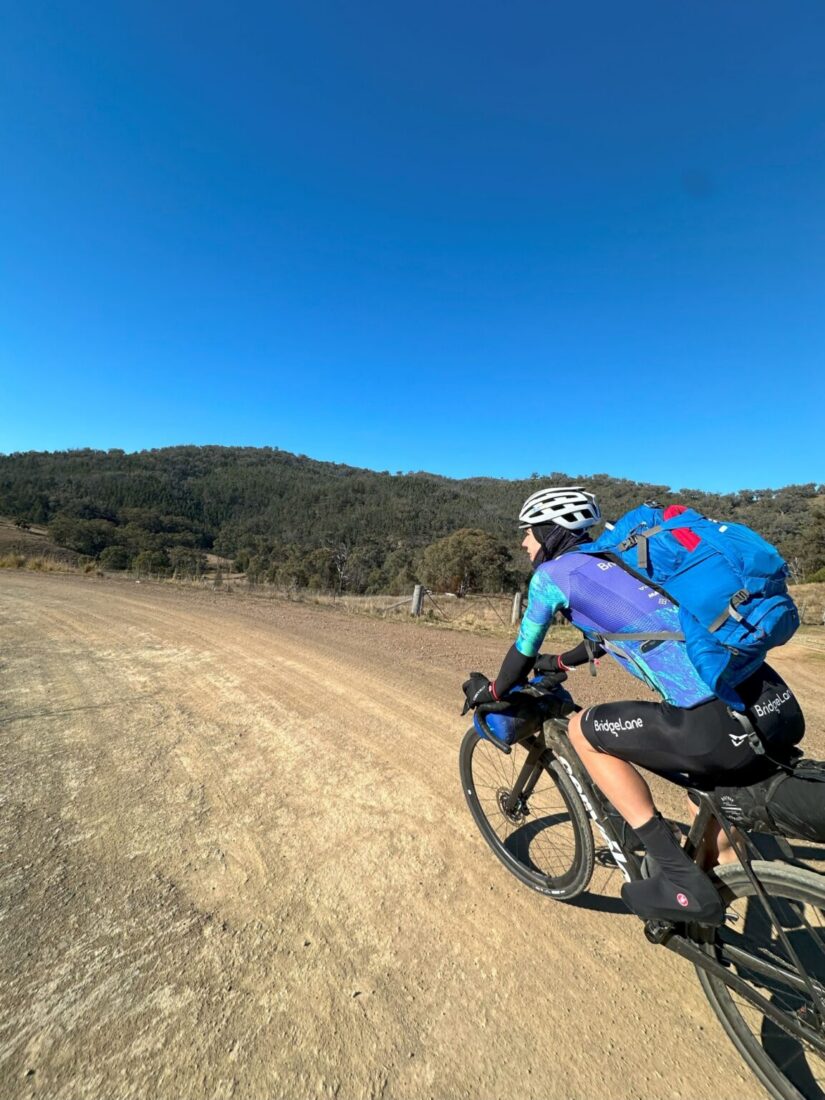
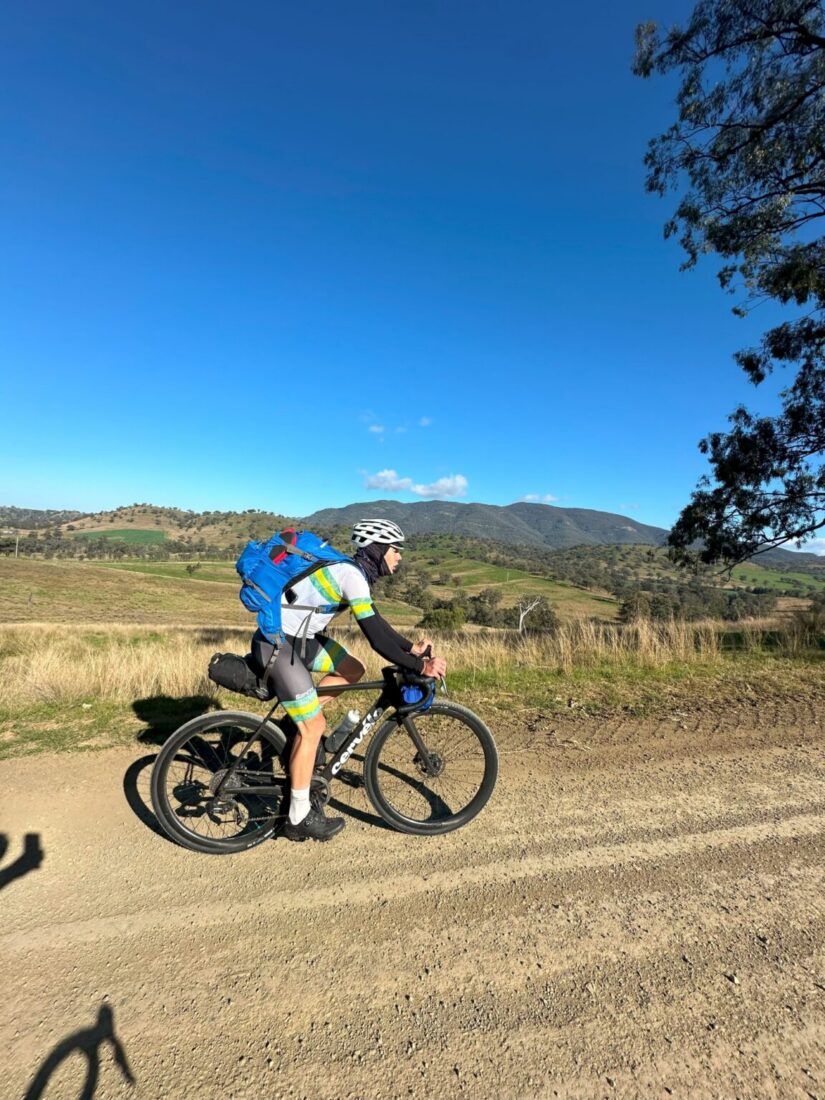
You’ll sweat more compared to suspended mesh systems, but the trade-off is control and stability.
LightWire & frame systems: load transfer that works
Behind many Osprey back panels is a peripheral frame, designed to spread weight from the pack into the hip belt instead of just your shoulders. It’s one of those things you don’t notice when it’s working properly, but you really feel it when it’s not.
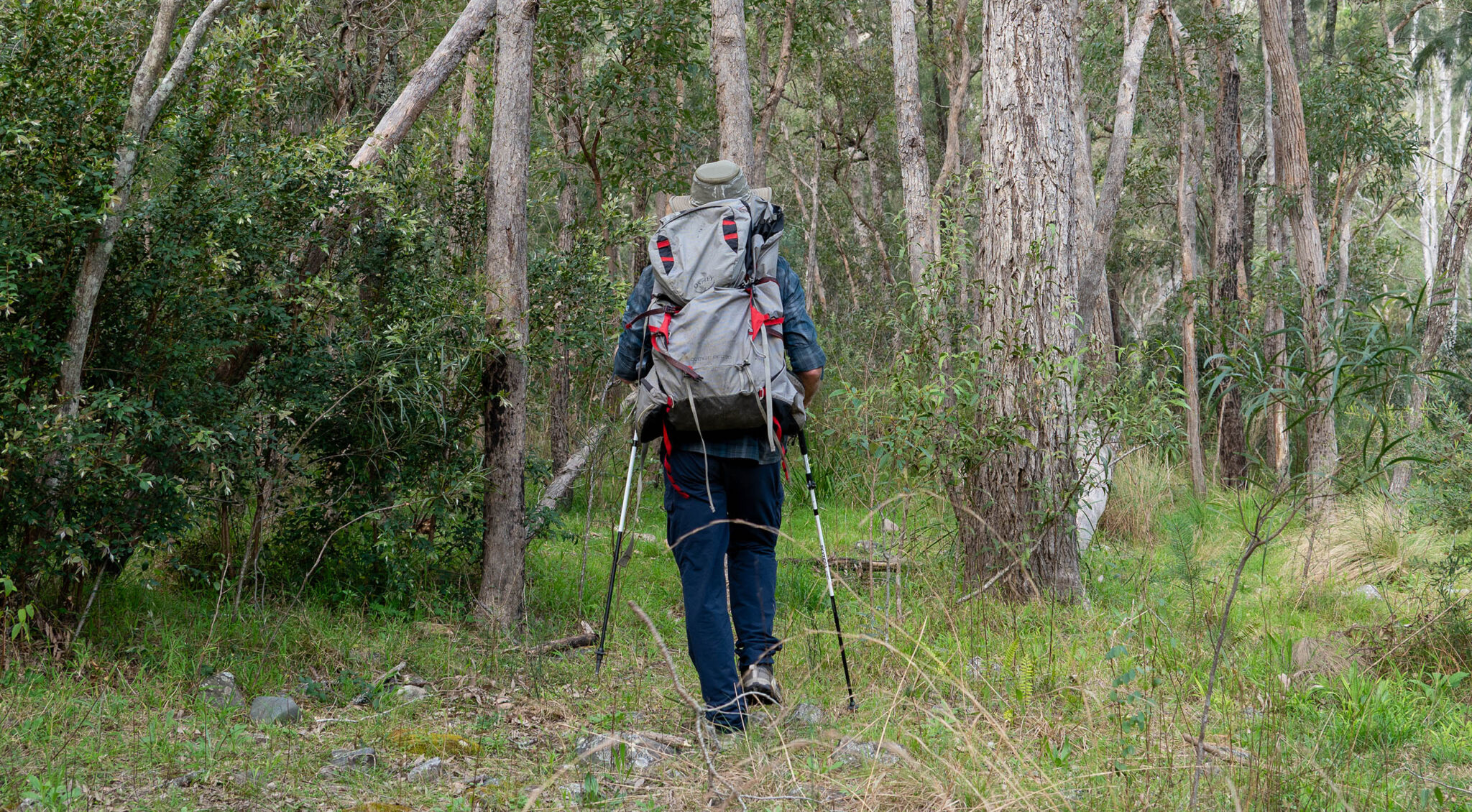
On longer walks, good load transfer reduces shoulder fatigue and keeps the pack balanced when stepping over uneven ground. It’s especially noticeable with heavier packs, where poor frame design can make a load feel really uncomfortable.
What this actually means for hikers
All this tech talk boils down to one thing: how you feel after a few hours on your feet. A good back panel won’t make a heavy pack feel weightless, but it will make it feel far more manageable.
Osprey’s strength is that they don’t treat back panels as a one-size-fits-all solution. Different packs use different systems because different hikes demand different things. Whether you’re heading out for a quick day walk, a humid rainforest hike, or a week-long trip with a full load, there’s a back panel designed to suit that style of walking.
The takeaway
Back panel design isn’t the most exciting thing to look at on a shop floor, but it’s one of the most important parts of a pack. Osprey’s suspension systems work because they’re designed around how people actually move, sweat, and carry weight in the real world.
Our advice? Head down to a local Osprey retailer to try each back panel system for yourself, or learn more about the range here.