Profile: Chris Bray
Influenced by the experiences of early childhood, Chris Bray has led a life of extraordinary adventure.
Words: Dan Slater
Photography: Chris Bray (unless otherwise credited)
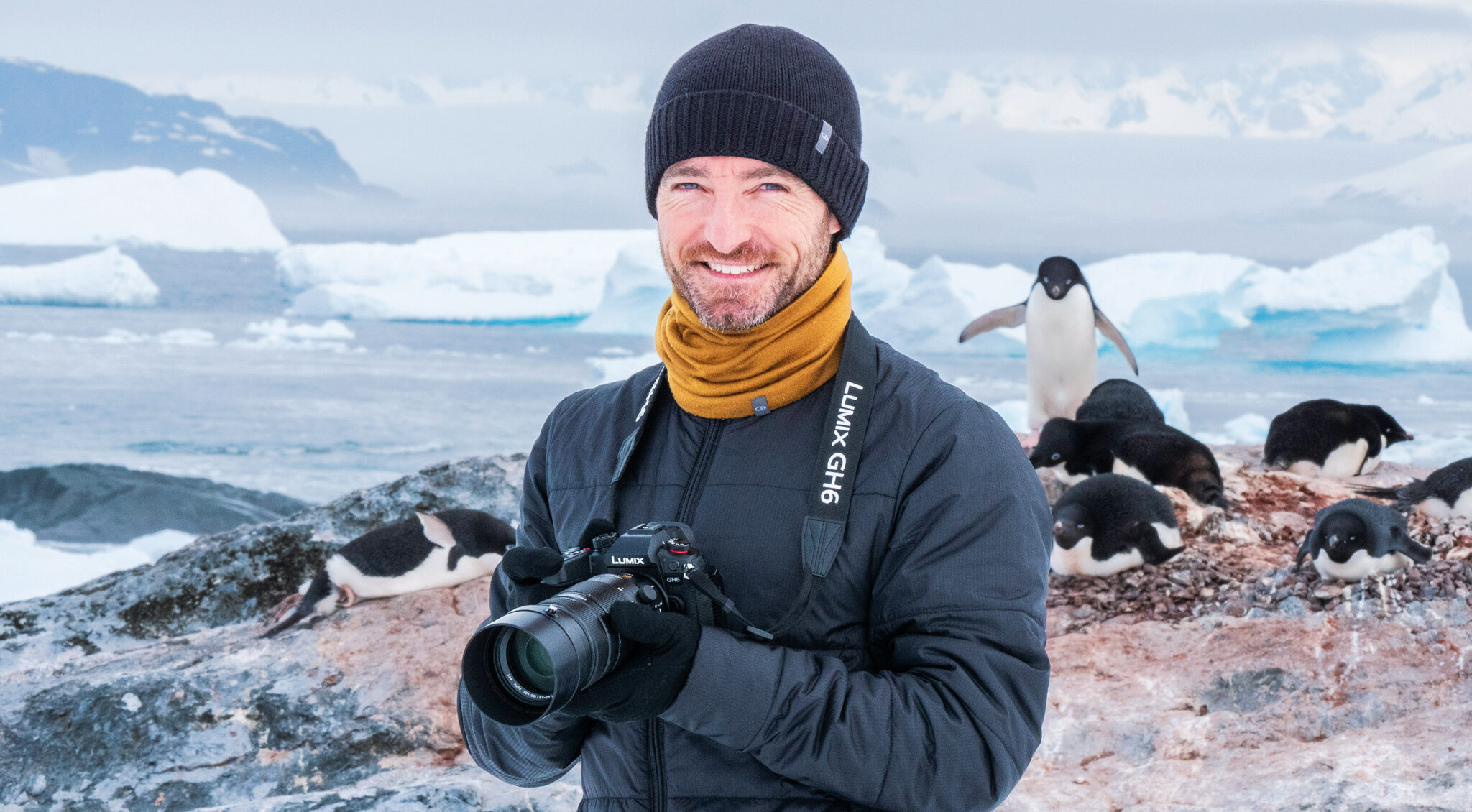
Header image caption: Chris in Antarctica, leading one of his wildlife photo tours; the group stayed two weeks aboard a mini expedition ship he chartered. Photo credit: Nina Maurovic
(This profile originally featured in Wild #195, Autumn 2025)
“Aha, we meet again!” I say, enjoying the brief look of confusion that crosses Chris Bray’s brow while he tries, and fails, to pull my face from his past. I can’t blame him; the feature-length documentary premiere of his and Clark Carter’s world-first, unsupported slog across Arctic Canada’s Victoria Island, The Crossing, was over ten years ago, and mine would have been but one handshake of many.
I soon put him out of his misery and he reverts to a welcoming grin, looking somewhere between his hilariously ruffled Instagram profile pic and the slick pro shots from various marketing campaigns. We’ve met for dinner at Swell Lodge, an ecolodge that Chris established in 2018 and has run ever since on his adopted home of Christmas Island.
Chris’s 173cm frame and lithe build belie the many accomplishments of his 41 years, and I plan to explore the progression of his achievements in [loosely] reverse, examining how each happened as a consequence of the previous one. The only logical place to start such a journey is the present day, so I enquire when the last time was that he did something for the first time. “First time for you, not first time for anyone,” I clarify, a relevant distinction given his list of world firsts.
“Well, the other day we hiked out to a brand new beach that had only just been created by a cyclone,” he muses. “I guess we’d be the first people ever to walk on that beach. That was pretty cool.” Clearly my carefully worded caveat was a waste of time. “The last adventure that really made me feel alive though,” he continues, “was kayaking solo around the island at the end of 2023.” The circumnavigation was 67km and took 13½ hours, but was doubly impressive due to the fact Christmas Island is girt by razor-sharp limestone cliffs capable of ripping human flesh to ribbons, with very few places to put in between the start/end point of Flying Fish Cove, the island’s main settlement.
“I’m happiest when I have a project I can break into little pieces,” says Chris. “It can be a little project like kayaking around the island, or a bigger one like learning to fly a microlight.” I raise my eyebrows, and he explains that he’d acquired the skill during some downtime after a photo tour was cancelled: “What I loved about the microlight was having the ability to fly and still have two hands available for photography. Unfortunately, it cost the Earth.”
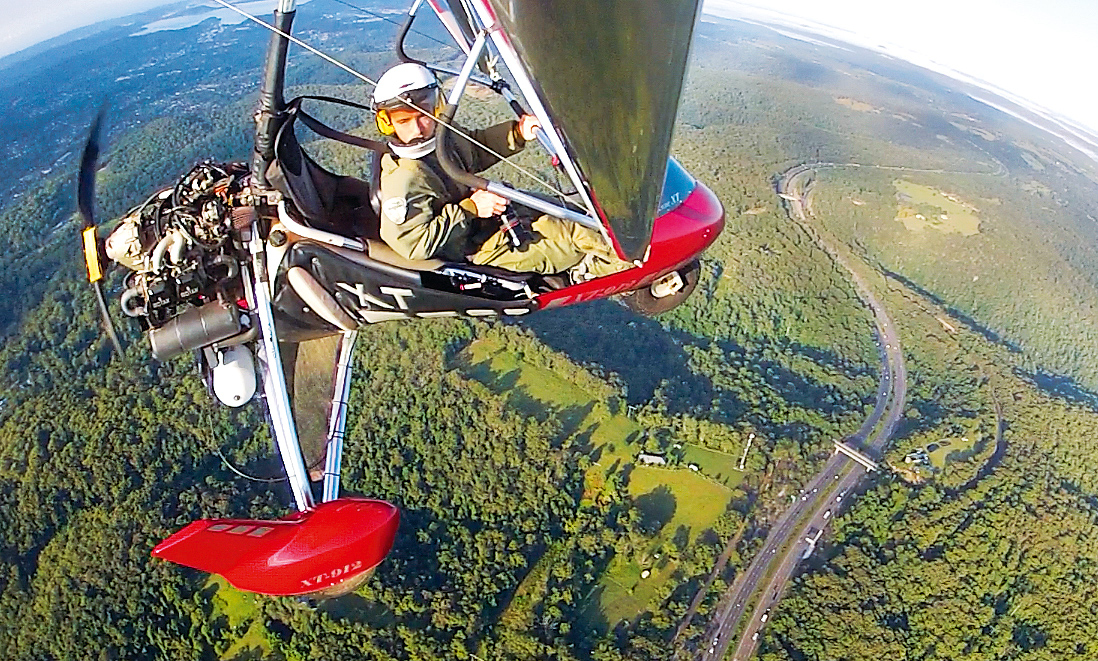
from a drone
“Oh, you bought one?” I ask, before taking a swig of beer.
“After I crashed it, yeah,” he says, prompting me to spray the table with liquid laughter. After passing his exams, he’d been working on logging enough solo-flying hours to receive his licence, but had just returned from several months away. On his second flight back, the craft pulled to the side soon after taking off. “I was quite high and trying to correct for this problem, but turned too hard to avoid a really tall pine tree, stalled one wing, and I remember falling sideways through the air, thinking ‘Ah shit, how embarrassing.’”
The microlight smashed into the airstrip, and when Chris came to, he was locked into the chassis with the engine screaming at a million miles an hour and people running towards him yelling, “Get out!”. “That kind of accident is almost always fatal,” he says, matter-of-factly, “but all that happened was the side of my shoe got ripped clean off, and I bruised one fingernail. That was super lucky, one of the many lives I’ve lost. Anyway, I had to then buy the wreckage, which blew my flying budget for the rest of my life.” He now keeps the broken propeller on his wall at home and uses drones, which are way safer, cheaper and easier.
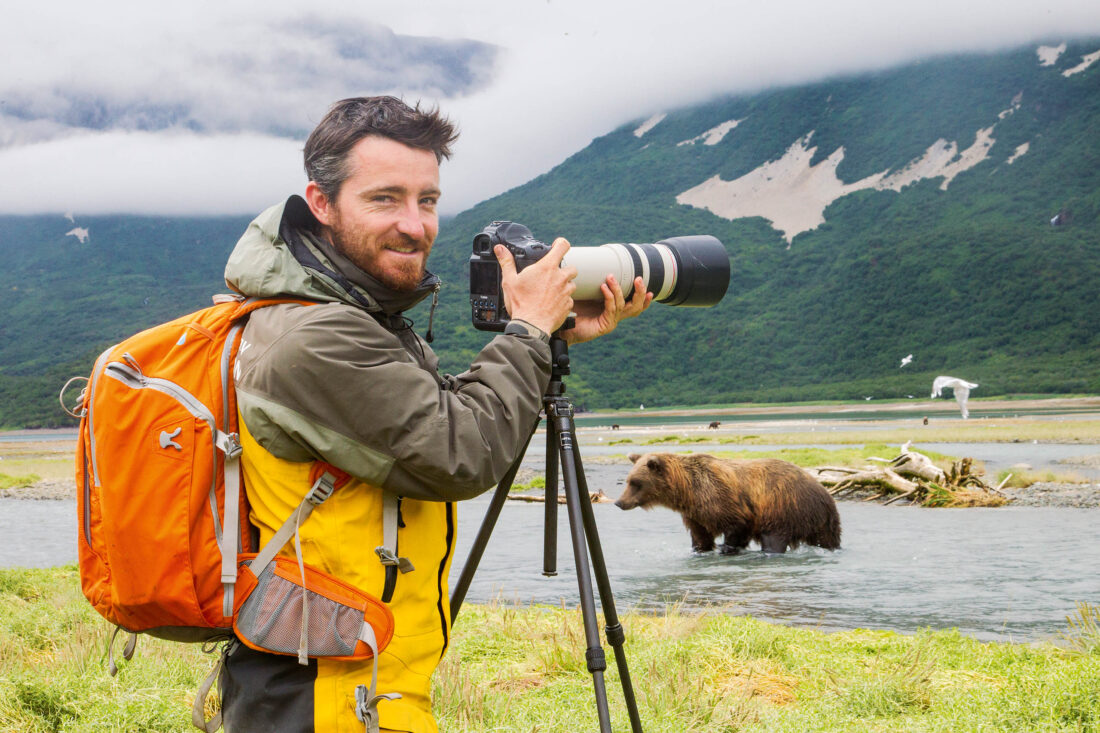
The idea for Swell Lodge came about as a consequence of Chris running photography tours to the island. Since 2010, he’s run small-group, high-end tours to the most photogenic locations on the planet. This business currently occupies an average of eight months of each year, during which he visits places like Alaska, Antarctica, the Galapagos and East Africa. The tours followed naturally from his photography courses, which ran pretty much every weekend between 2009 and when he put them online in 2016.
“I gave the courses away in the end out of exasperation,” he admits. “The tour work became constant, so I started to employ other people for the courses, but it’s hard to run a ‘Chris Bray Photography Course’ when there’s no Chris Bray involved. Then I thought I could make more money out of them online,” he continues. “The idea was to allow access to the first five videos for free and charge for the others, but while heaps of people watched the first five, no one paid for the rest, and I was like ‘Dammit!’” he laughs. “So I thought, ‘Oh well, I’ll just stick it all up,’ and lo and behold it was probably the best accidental business move I ever made.”
“I wonder aloud why he hasn’t written more books about his adventures? “Because I have no frickin’ time,” he laughs.”
With people still watching the series in huge numbers (over ten-million views and counting), Chris earns income both from YouTube views and global sales of the accompanying booklet, which alone garners more profit than he would’ve made from continuing the live courses. Plus, most of his tour guests now come from having watched the series. It’s win-win-win.
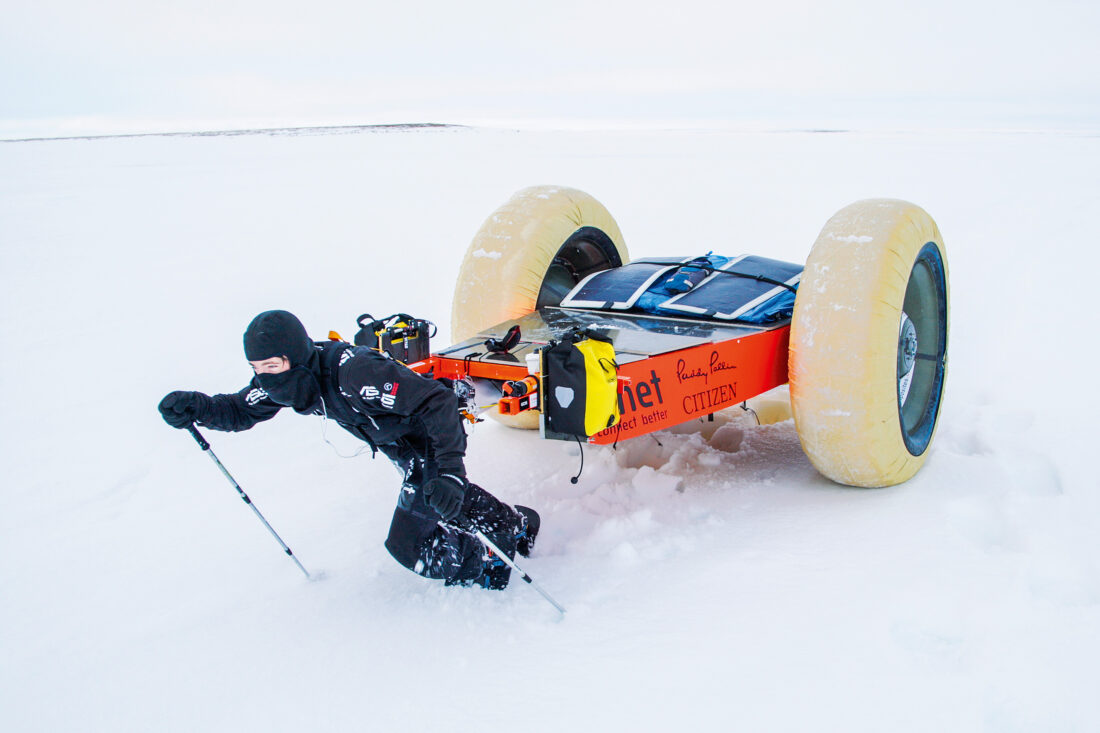
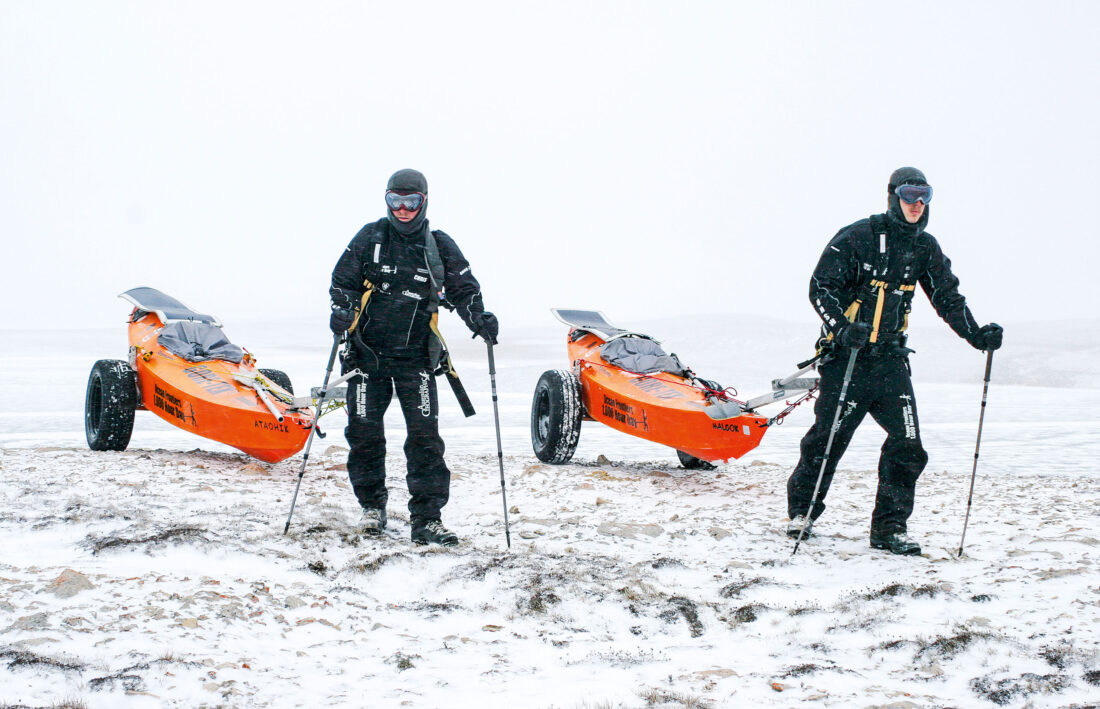
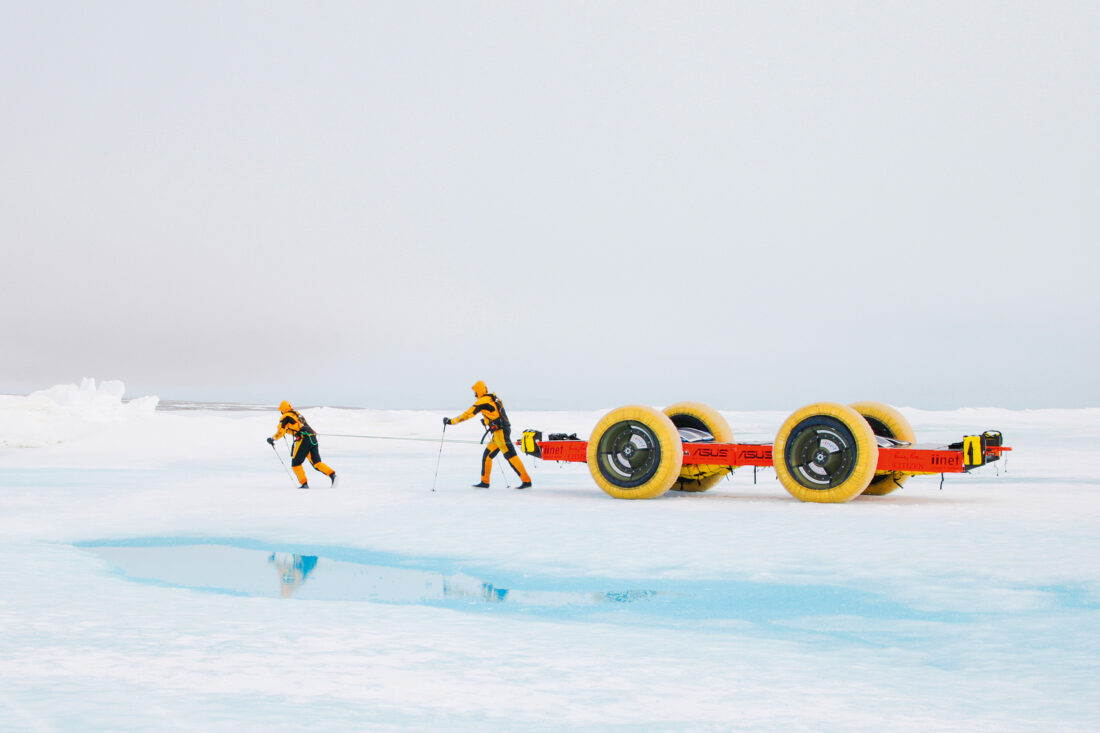
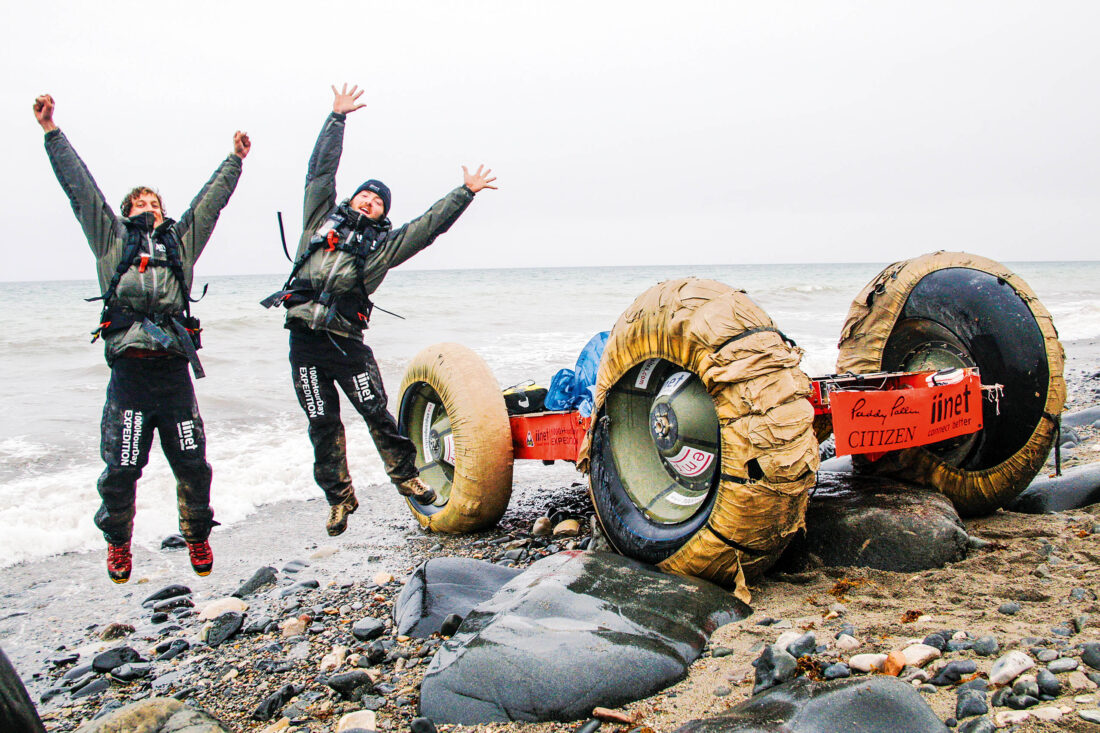
But how did the photography angle first come into focus? In quick succession, Chris became an Australian Geographic (AG) photographer, Canon Ambassador, and started Chris Bray Photography, all of which were a consequence of the Victoria Island expedition. Crossing the remote Canadian island, by foot and water craft, was a true epic, worthy of Shackleton. Chris and Clark hauled carts for 58 days in 2005 before their slower-than-expected pace scuppered their first attempt, only to return with better-designed equipment in 2008 (Ed: Check out the size of the wheels on the carts!), taking another 75 days to finish the job.
Chris had approached Canon for sponsorship the first time around. He was unsuccessful, but a Canon contact did loan him a 300mm lens, with which he was ‘super lucky’ to get some quality images. He particularly remembers one of an Arctic fox, and lying in the tent that night thinking, ‘This is really cool. I want to be a wildlife photographer!’
He re-approached Canon prior to the second half of the trip, and had better luck. The following year, the company held interviews to choose the online face of Canon tutorials. Chris had to answer questions like ‘Can you explain aperture to us?’, but suffering from a cold that day, he used exaggerated hand gestures to compensate for his congested mumbling. Afterwards, he was told they “love how visual you are!” and got the job, which later morphed into Australian Ambassador. (Chris is currently a Lumix Global Ambassador).
The Crossing won both Best Documentary and the People’s Choice Award at the 2013 Sydney Film Festival, and was selected for various international film festivals. Chris’s book about the expedition, The 1000 Hour Day, has sold nearly 20,000 copies. I wonder aloud why he hasn’t written more books about his adventures? “Because I have no frickin’ time,” he laughs. “I used to love finding the right words to describe something, it used to be a real passion. I’d love to do more, but I simply haven’t had the time.”
The pair won the Australian Geographic Society’s ‘Spirit of Adventure’ medal in 2009, and the same year Chris was made a Fellow of the arcane and mysterious Explorer’s Club (EC). The New York-based society has the goal of promoting scientific exploration and field study, and has boasted many of the world’s most famous explorers of the last 200 years as members.
“It became a cool way of networking,” remembers Chris. “Once a year they hold a dinner, which is a great excuse to catch up with the most amazing people. I actually applied for Fellow status because it involved cheaper membership dues, and was surprised their committee approved it. At 25, it made me the youngest Fellow ever.” He’d been admitted to the EC as a member in 2005 after undertaking an insanely ambitious hike in Tasmania, and was subsequently given Flag 42 to carry across Victoria Island.
EC flags have been carried on many of history’s most important scientific expeditions, and it’s a huge honour for contemporary members’ missions to be deemed worthy. “This flag had a history of 12-odd expeditions in the last century, some of which were incredibly famous. I’d read books about them, and here I was carrying the same bit of fabric! That helped immensely with sponsorship and credibility, and gave us a lot of kudos.” Chris went on to become chairman of the AU/NZ chapter of the EC from 2010 to 2013.
“Arctic sailing was certainly the riskiest and most mentally taxing trip of my life. So many things could go wrong with critical and immediate consequences.”
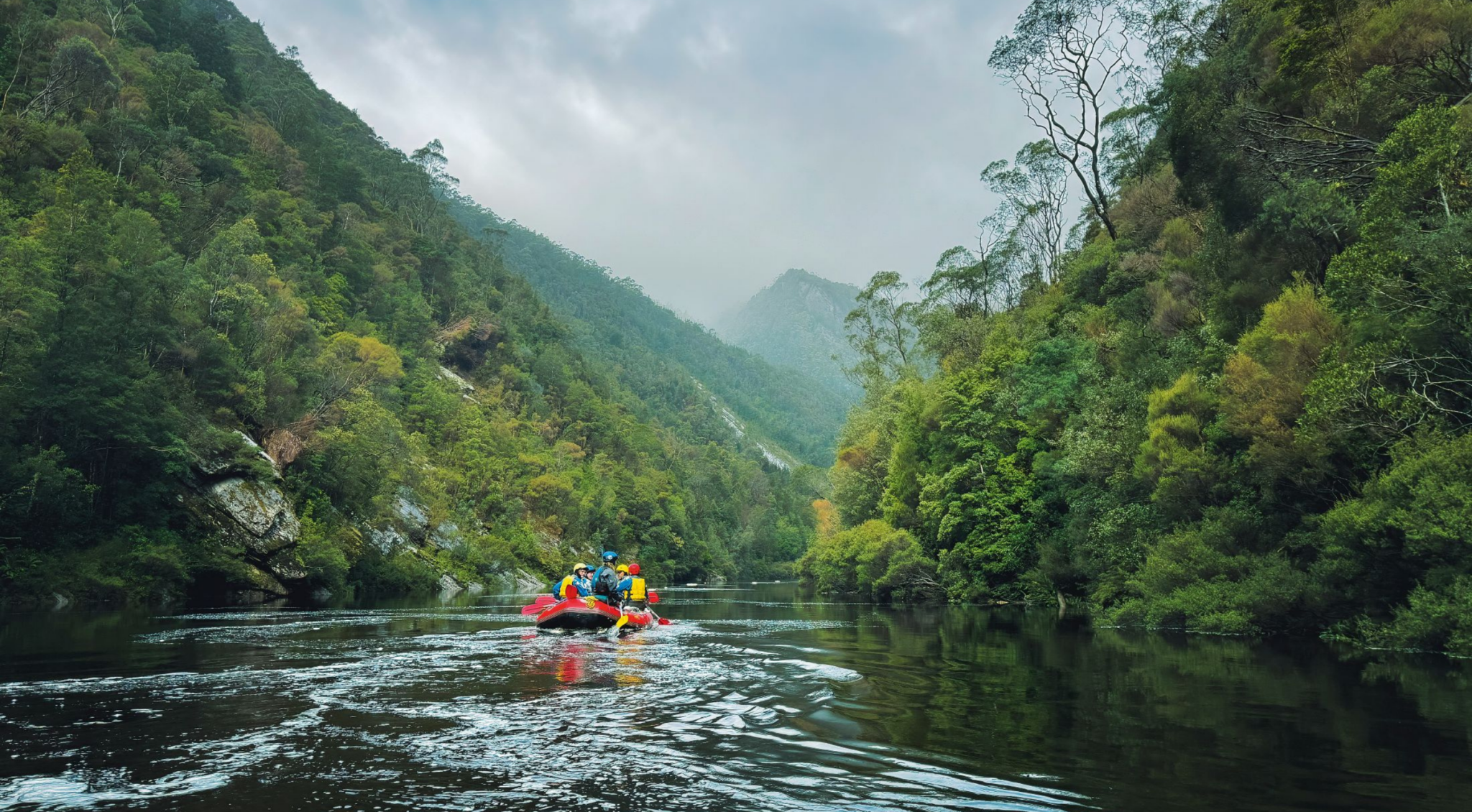
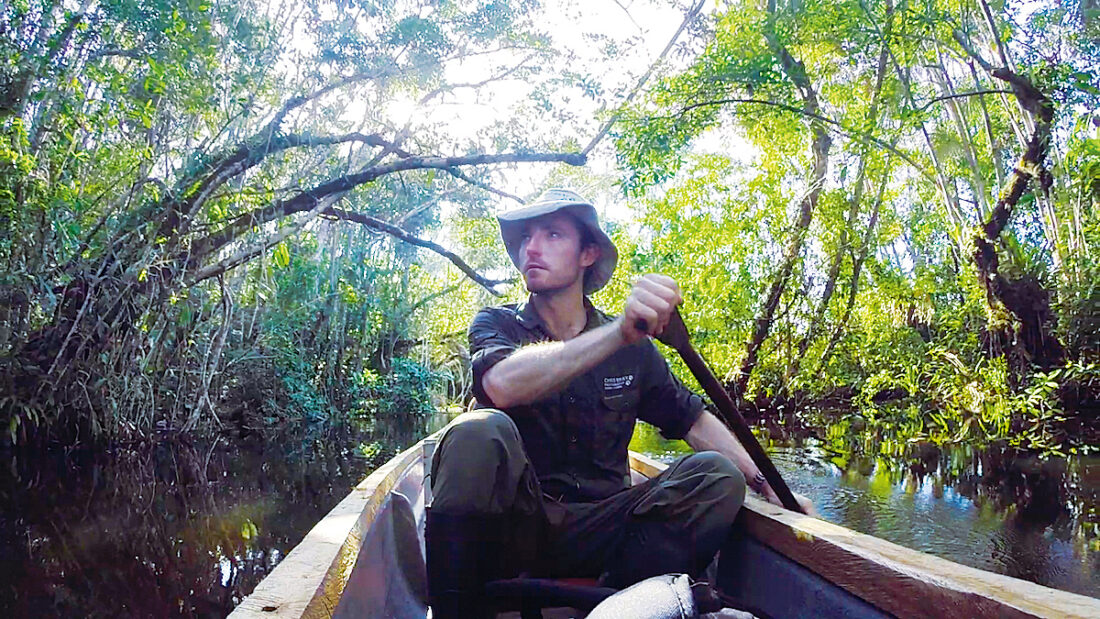
Moving further back in time, the whole Victoria Island expedition came about after a 19-year-old Sydneysider named Clark Carter googled ‘Sydney, adventurer, young’ and Chris’s name came up. It was 2004, and Clark was looking for a partner for a big adventure. Chris had recently been awarded Australian Geographic Society’s ‘Young Adventurer of the Year’ medal for that same Tassie hike. Over thirty days, Chris and his mate Jasper walked from the remote James Kelley Basin in Port Davey to Strahan, through 300km of the state’s untracked south-western wilderness.
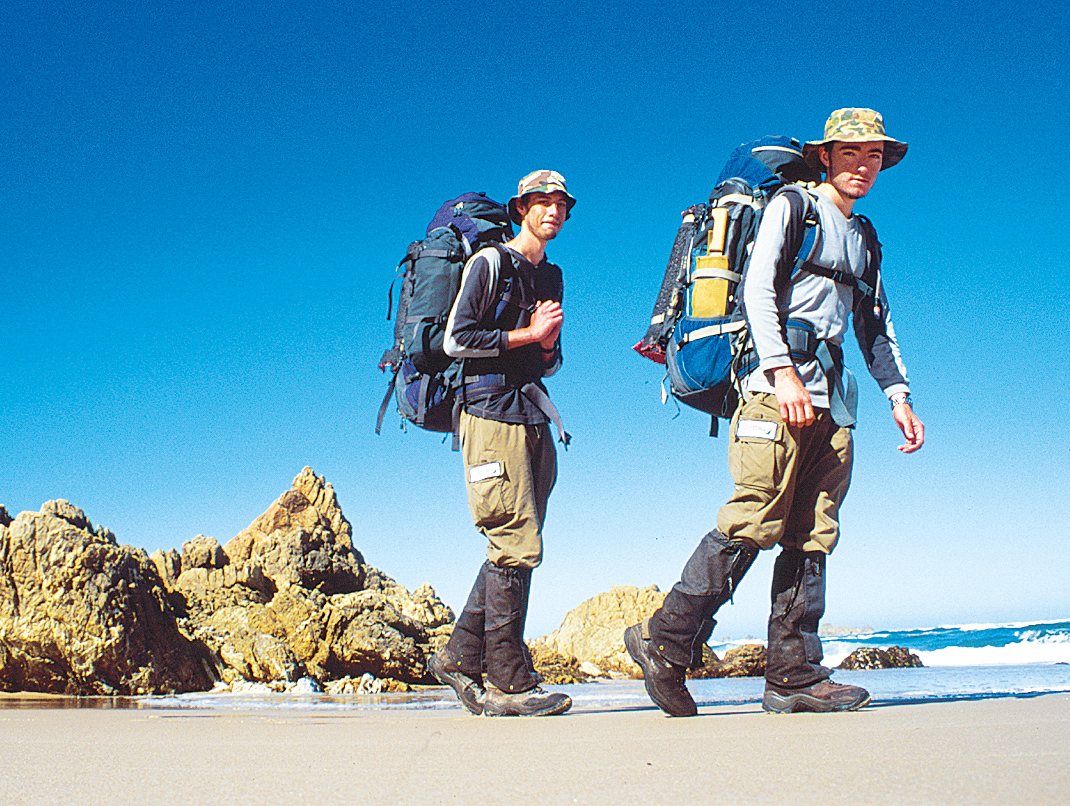
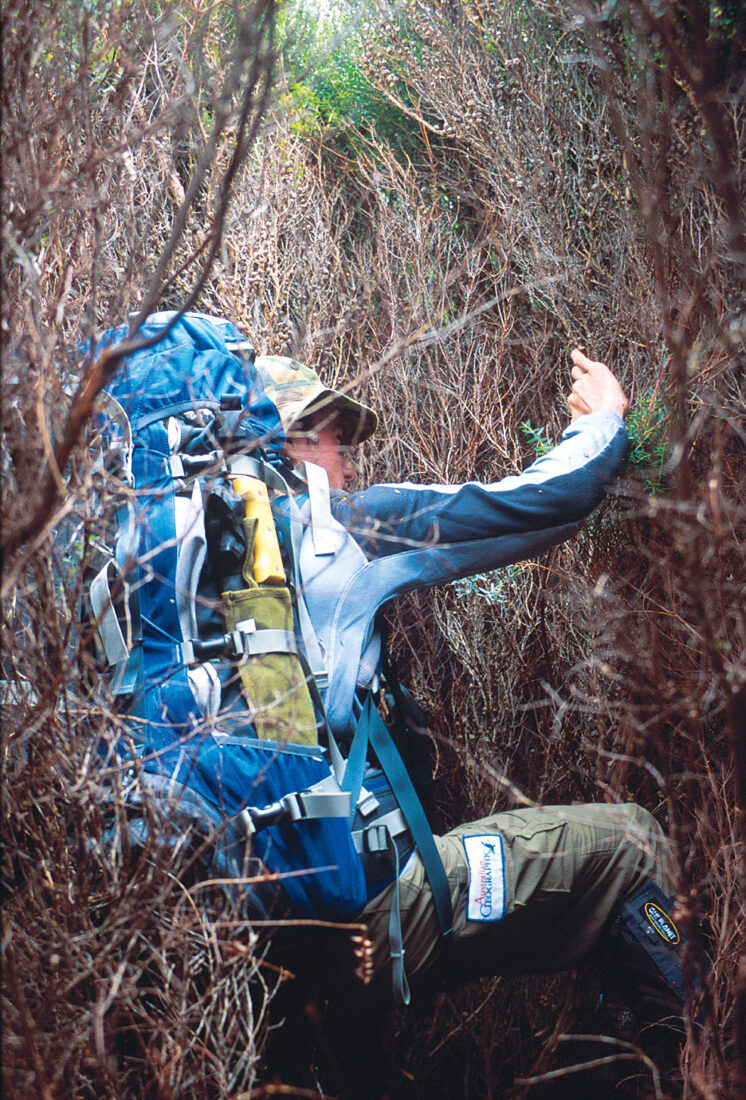
That trip threw Chris into the life of adventure. The boys met with a potential sponsor, the owner of a local outdoor store, who told them horror stories about rivers they’d have to drop into from overhanging tree branches and swim across with their 30kg packs, the water cold enough to bring on hypothermia in under a minute. “Oh yeah,” they nodded, “that’s exactly what we’re expecting.” As soon as they left the meeting, they were like, “Holy shit, that sounds terrifying!” It turned out he was doing his best to scare them off, but when it seemed they were going regardless, he offered them the best gear in an attempt to save their lives.
It’s to this trip Chris ascribes the most important professional relationship of his life. “When someone suggested I apply for AG sponsorship, I dismissed it as ludicrous, but AG totally changed my life. They said ‘Here’s some money, but you have to spend it on a camera, and if you get some good photos, we’ll publish a story.’ I had no idea how to take photos, so I went and read some books.” He considered the results terrible, but AG disagreed and published both them and the story, which is what led to the Young Adventurer of the Year. “Without AG, I never would have got a real camera, learned how to use it, or eventually become one of the AG trustees with a seat on the board.” Nowadays, Chris has direct input into AG sponsorships and awards. “I owe them most of what I’ve done, so to be able to give back is a huge privilege. Without AG I’d probably be sitting in an office being an electrical engineer right now.”
In 2007, Chris graduated with first class honours in Electrical Engineering at the University of NSW and is, in his words, “still a bit of a geek.”
“I like to try and stay current in microprocessors and programming. Back when I was a kid, I designed an underwater camera with a full VCR recorder inside it. Now, by programming my own Raspberry Pi microprocessor, I’ve made one that can film down to a kilometre deep, with miniaturised stadium floodlights and motion sensors, which costs less than $1,000. Christmas Island has immediate access to crazy-deep water—in five minutes’ paddling, you’re in 500-1,000m. I chuck it over and leave it on the sea floor for a day or so, after which it’s programmed to release its anchor (a hessian sack filled with rocks). There are million-dollar platforms getting excited over the tiniest footage of six-gilled sharks, and I’m getting that stuff 80% of the time. I’d love to contribute to the world of knowledge by bringing that into someone’s research.”
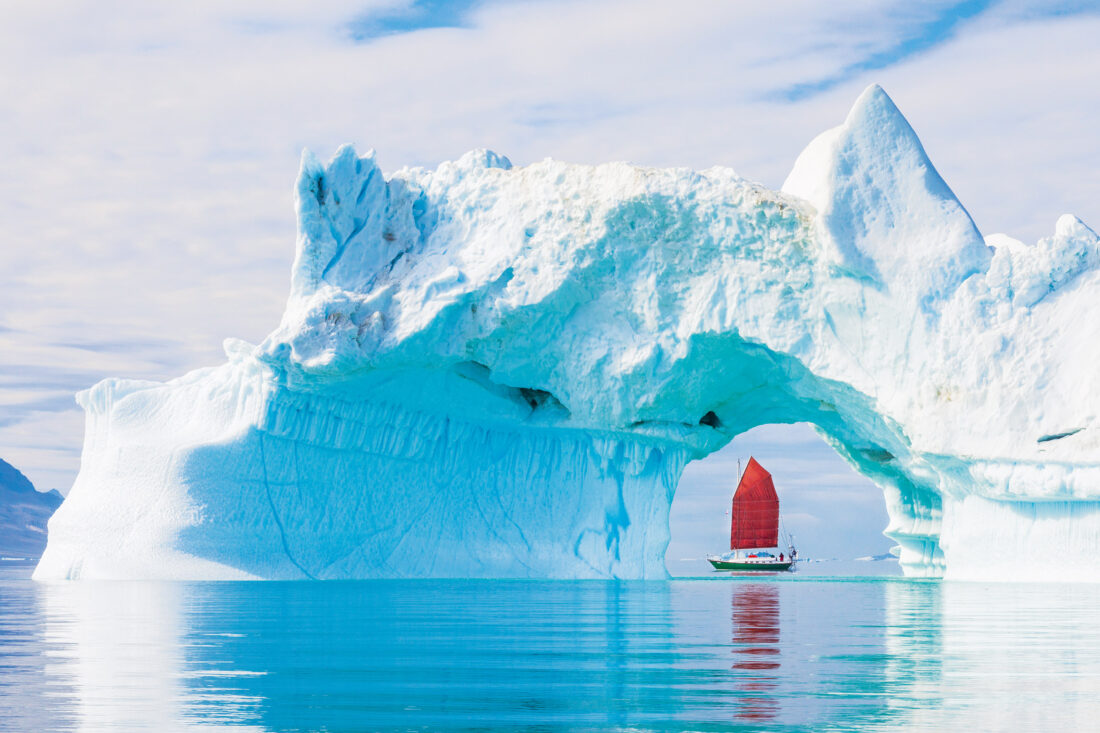
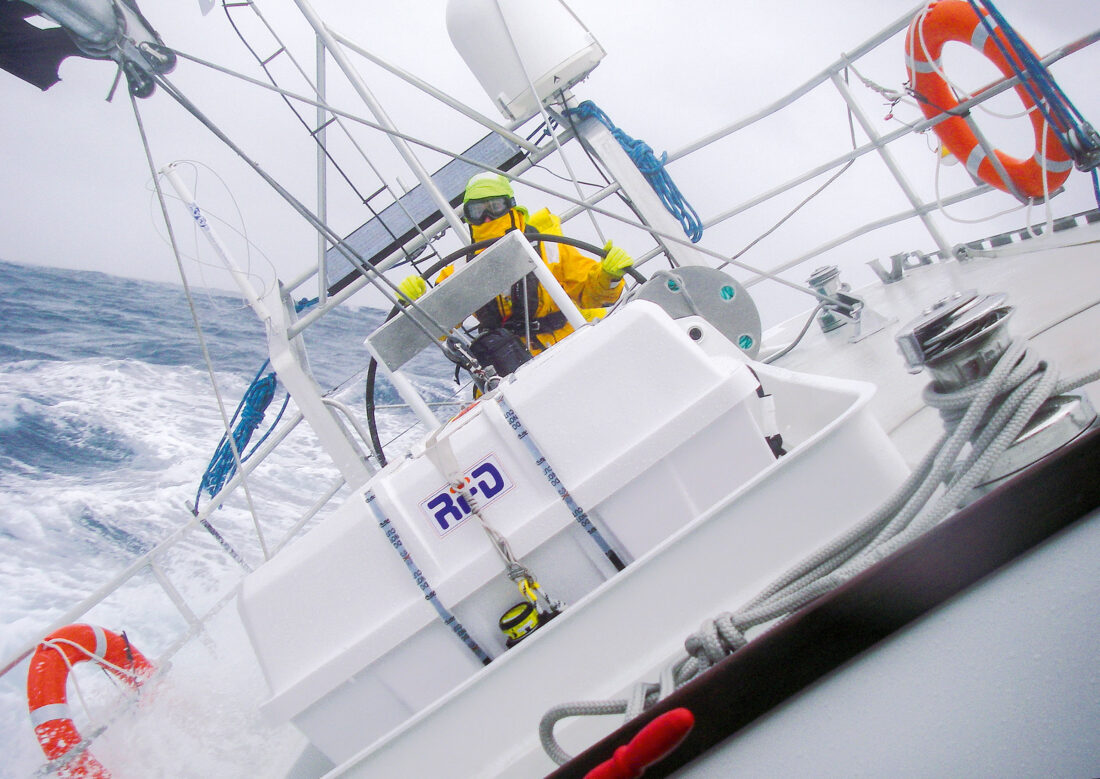
It’s difficult to discuss Chris’s adventures without mentioning his epic journey through the Northwest Passage in a 29-foot, junk-rigged, wooden sailboat. Over two seasons, starting in 2011, he and his then-girlfriend (then wife, then ex-wife), Jess, sailed from Halifax, on Canada’s east coast, to Nome in Alaska. At that time, more people had been to space than had completed this feat, much less at so young an age and in so small a boat. “Arctic sailing was certainly the riskiest and most mentally taxing trip of my life. So many things could go wrong with critical and immediate consequences. It was also the first time I’d had a partner along who I felt responsible for.” Together they fought constant leaks, engine breakdowns, 70km/h winds and, in Jess’s case, horrendous seasickness.
“You don’t have to wait for people. Just put yourself in the right position and start doing it.”
“I was never completely sure we’d make it,” admits Chris. “But I believe if you’re really passionate about something and willing to put in enough time, you can achieve way more than most people would ever assume. It’s like Bill Gates said, ‘Most people overestimate what they can achieve in one year and underestimate what they can achieve in ten years.’ The secret is realising you don’t have to wait for other people. Just put yourself in the right position and start doing it, and it just sort of works. Although with some things in life it’s obviously best to get properly trained.”
“Like being a pilot?” I interject, eliciting a chuckle.
Chris receives a constant stream of emails from fans seeking career advice. “How do you get to be a wildlife photographer?” they ask, but his path has comprised such an eclectic mix of opportunities, it would be impossible to reproduce. “Just advise them to have sailed round the world when they were five years old,” I suggest.
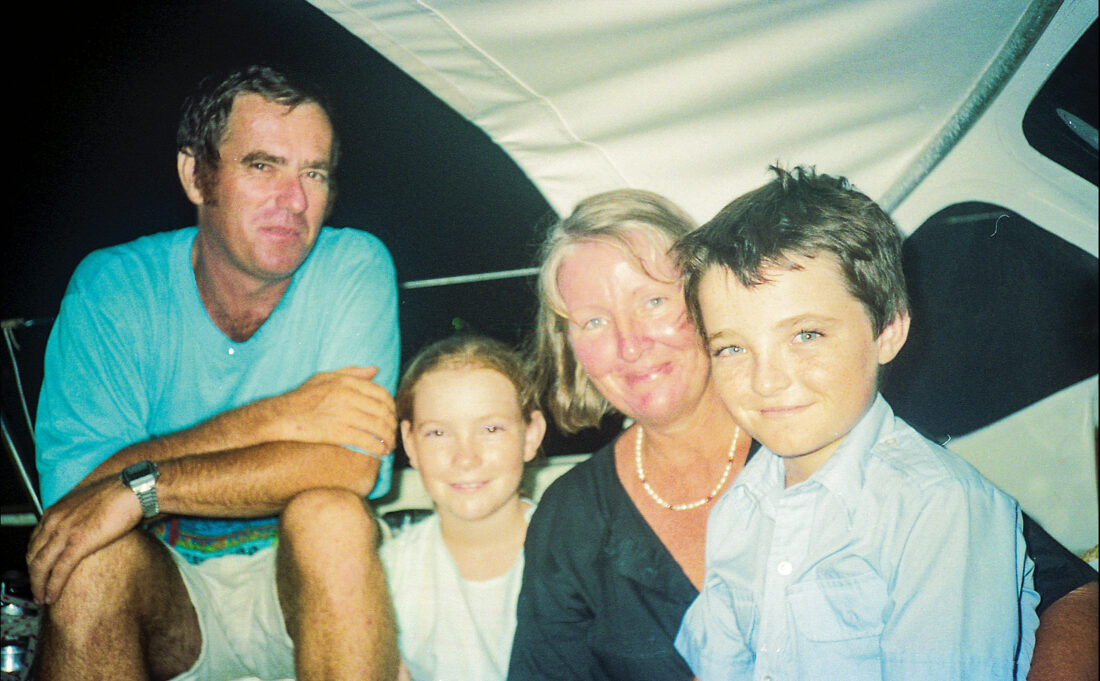
The polar exploration, Arctic sailing, hiking, kayaking—it all stemmed from Chris’s childhood, specifically the years between ages five and ten, which were spent sailing around the world with his parents and sister. “Definitely, growing up like that gave me a worldly appreciation of new cultures and places, and a love of the outdoors.” One of the places the family visited on that trip was Christmas Island.
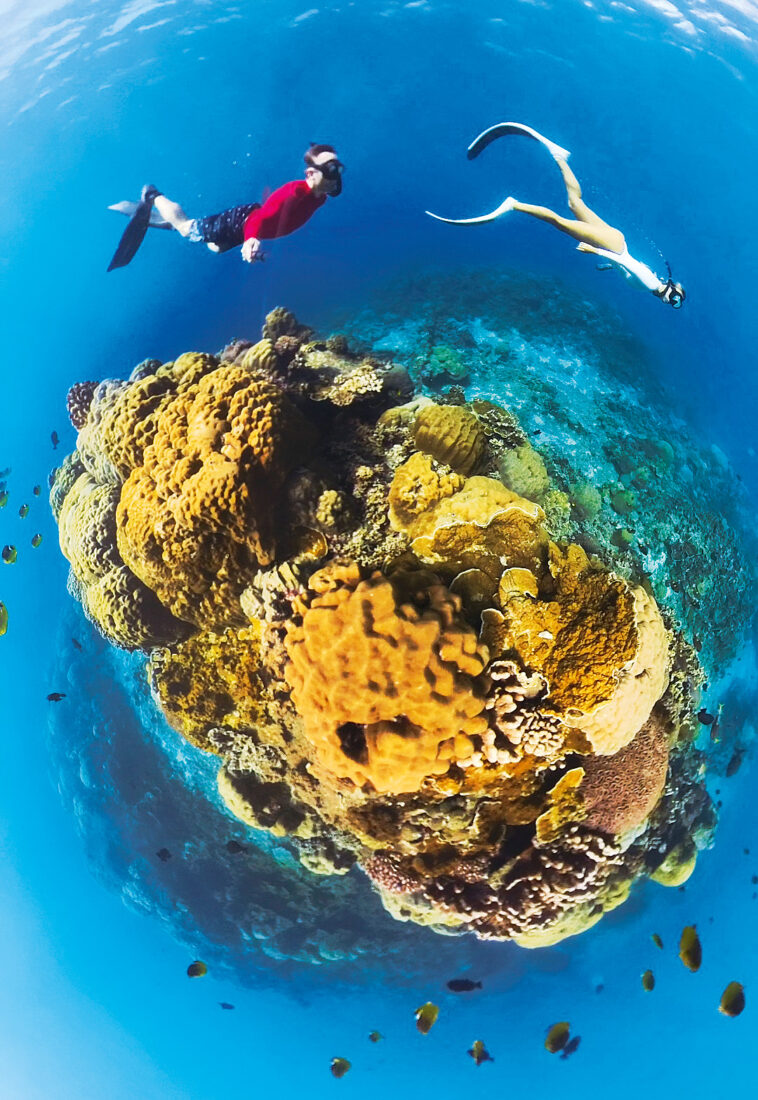
To seven-year-old Christopher, it was a tropical paradise. He remembers learning to snorkel in Flying Fish Cove, and one day when the family were hitching to the supermarket, a resident stopped to offer them a lift and ended up showing them around the whole island. So when Chris was researching new locations for photography tours in 2012, he deemed it worthy of further investigation. Despite being peak detention-centre days, it proved way better than he remembered. “This place is insane! It’s got world-class snorkelling, amazing natural wonders, red crabs, birds, and no predators so the wildlife is super chilled. It’s like Australia’s Galapagos, yet no one seemed to know about it.”
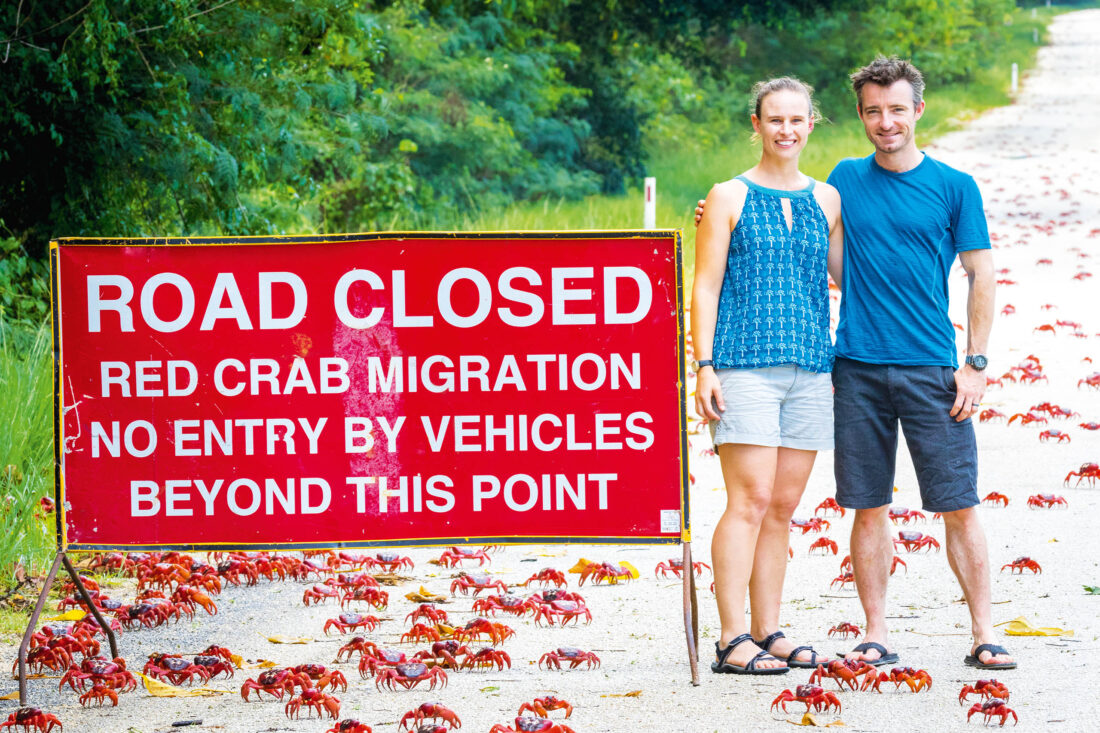
Ultimately, Chris’s current life on Christmas Island came about as both a direct and indirect consequence of … Christmas Island. “Each thing leads to something else,” he muses, “and looking forward, I never would have thought I’d have got to where I am. But looking back, what seems a coincidental series of events all link up.” Nowadays, when little yachts sail into the bay, he’ll make it a priority to kayak or swim out to see if they need anything, because he knows they won’t have a washing machine, or a car to go shopping. And who knows, maybe they’ll become future adventurers, explorers, even residents?
If you liked this piece, you should subscribe to the print mag. Only a fraction of the great stories we run in the mag make it to our website; if you want to read them, head to subscribe.wild.com.au